
Understanding Oil Heating Mold Temperature Units: Key Insights for Industrial Applications
Oct 12,2026
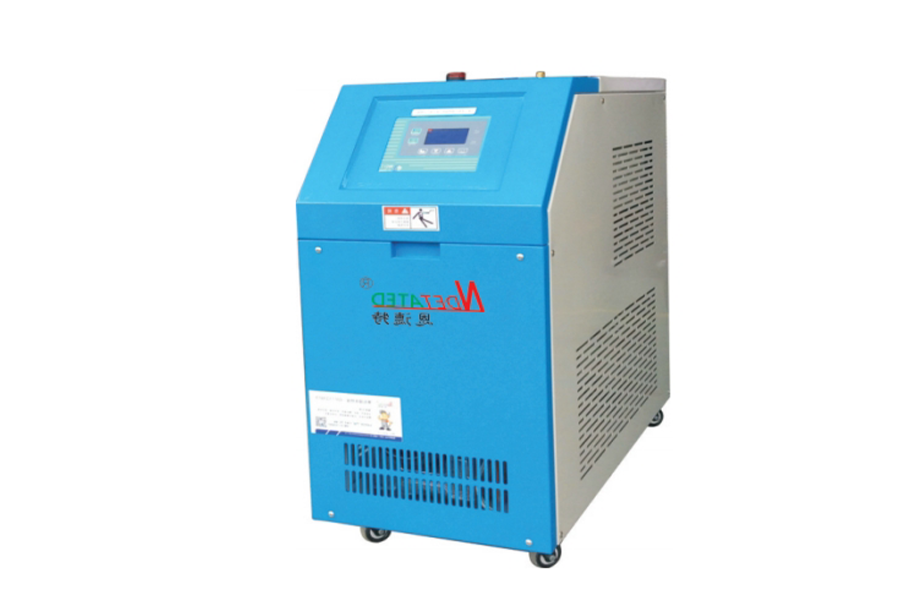
In industrial manufacturing, maintaining precise temperature control during the molding process is crucial for product quality and consistency. Oil heating mold temperature units are critical components in this regard, offering efficient and reliable thermal management solutions. These units utilize oil as a heat transfer medium, which provides several advantages over other heating methods.
One of the primary benefits of oil heating mold temperature units is their ability to maintain stable temperatures over extended periods. The oil's thermal properties allow for uniform heat distribution, minimizing temperature fluctuations that could compromise the molding process. This stability is particularly important in applications such as plastics molding, where precise temperature control is vital for achieving the desired material characteristics.
The operating principle of an oil heating mold temperature unit involves circulating heated oil through the mold. The temperature of the oil is carefully regulated using a thermostat, ensuring that the mold reaches and maintains the optimal temperature for the specific material being processed. The design of these units often includes features such as temperature sensors and control panels, allowing operators to monitor and adjust the system easily.
In addition to stability, oil heating systems are known for their energy efficiency. The thermal conductivity of oil makes it an excellent medium for heat transfer, reducing the time and energy required to reach the desired temperature. This efficiency not only contributes to lower operational costs but also enhances the overall productivity of the manufacturing process.
Furthermore, oil heating mold temperature units offer versatility across various applications. They can be employed in diverse industries, including automotive, aerospace, and consumer goods manufacturing. This adaptability makes them a suitable choice for companies looking to invest in flexible heating solutions that can accommodate different production needs.
However, it is essential to consider proper maintenance and safety protocols when operating oil heating systems. Regular inspections and servicing ensure the longevity of the equipment and help prevent issues such as oil leaks or overheating. Operators should be trained to recognize potential hazards and implement appropriate safety measures to protect both personnel and equipment.
In conclusion, oil heating mold temperature units are invaluable assets in the realm of thermal management within industrial settings. Their ability to provide stable temperatures, energy efficiency, and adaptability across various applications makes them a preferred choice for many manufacturers. By understanding the operational principles and benefits of these units, professionals can make informed decisions that enhance production efficiency and product quality in their respective industries.
Hot Tags:
PREVIOUS:
Contact Us
E-mail:
celine@jsntp.com
Phone:
86-18913523538
Address:
Building 3, Wanyang Zhongchuang City, No. 99 Hongfu Road, Libao Town, Hai'an City, Nantong City, Jiangsu Province
Contact Information
Phone: 8618550003508
Add: Building 3, Wanyang Zhongchuang City, No. 99 Hongfu Road, Libao Town, Hai'an City, Nantong City, Jiangsu Province

Request Quote