
Top Industries Benefiting from Energy Efficient Air Cooled Chillers
Oct 21,2026
Top Industries Benefiting from Energy Efficient Air Cooled Chillers
Table of Contents
- 1. Introduction
- 2. Understanding Air Cooled Chillers
- 3. The Importance of Energy Efficiency in Industrial Cooling
- 4. Industries Reaping Benefits from Energy Efficient Air Cooled Chillers
- 4.1 Manufacturing Industry
- 4.2 Food and Beverage Industry
- 4.3 Pharmaceutical Industry
- 4.4 Hospitality Industry
- 4.5 Data Centers and IT Industry
- 5. Advantages of Energy Efficient Air Cooled Chillers
- 6. Case Studies: Success Stories
- 7. The Future of Air Cooled Chillers
- 8. Conclusion
- 9. FAQs
1. Introduction
In today's rapidly evolving industrial landscape, **energy efficiency** has become a pivotal concern. One of the most effective solutions for achieving energy efficiency in cooling systems is the **air-cooled chiller**. These systems not only promise to reduce energy consumption but also contribute to sustainability efforts across various industries. This article delves into the top industries benefiting from energy-efficient air-cooled chillers, highlighting their advantages, applications, and future prospects.
2. Understanding Air Cooled Chillers
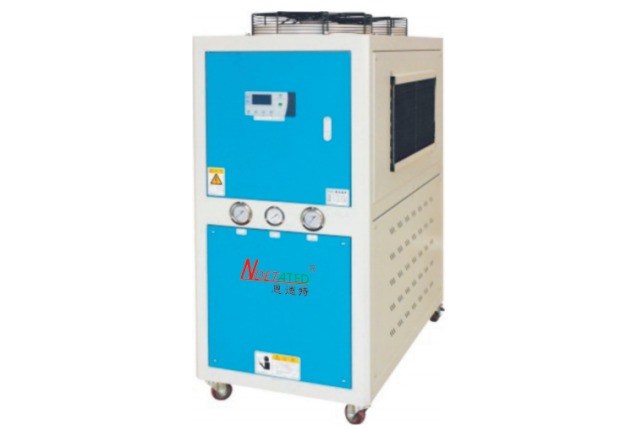
Air-cooled chillers are a type of cooling system that use air to dissipate heat generated during the cooling process. Unlike water-cooled chillers, which use water from a cooling tower, air-cooled chillers rely on ambient air to expel heat, making them more versatile and easier to install. They are particularly advantageous in regions where water availability is a concern.
The core components of air-cooled chillers include:
- **Compressor**: Compresses the refrigerant and circulates it through the system.
- **Condenser**: Transfers heat from the refrigerant to the surrounding air.
- **Evaporator**: Absorbs heat from the environment, cooling the air or fluid passing through it.
- **Expansion Valve**: Regulates the flow of refrigerant into the evaporator.
These chillers come in various sizes and configurations, making them suitable for both small-scale and large-scale applications.
3. The Importance of Energy Efficiency in Industrial Cooling
Energy efficiency is crucial in industrial cooling for several reasons:
- **Cost Reduction**: Energy-efficient chillers significantly lower operational costs by reducing electricity consumption.
- **Environmental Impact**: These systems help mitigate the carbon footprint, contributing to corporate sustainability goals.
- **Regulatory Compliance**: Many regions enforce regulations aimed at reducing energy consumption; using energy-efficient equipment can help businesses meet these standards.
- **Extended Equipment Life**: Efficient systems typically experience less wear and tear, resulting in lower maintenance costs and extended operational lifespans.
As industries focus on minimizing their environmental impact while maintaining productivity, energy-efficient cooling systems are becoming essential.
4. Industries Reaping Benefits from Energy Efficient Air Cooled Chillers
4.1 Manufacturing Industry
The manufacturing sector is one of the largest consumers of energy. **Air-cooled chillers** are invaluable in this industry, where cooling processes are necessary for equipment such as injection molding machines and CNC machines. By employing energy-efficient chillers, manufacturers can reduce energy costs significantly, lower emissions, and improve overall production efficiency.
4.2 Food and Beverage Industry
In the food and beverage sector, maintaining proper temperatures is critical for product safety and quality. **Energy-efficient air-cooled chillers** help to ensure that refrigeration systems operate optimally without excessive energy consumption. This sector benefits from improved supply chain efficiency, reduced spoilage rates, and compliance with food safety regulations.
4.3 Pharmaceutical Industry
The pharmaceutical industry relies heavily on precise temperature control for manufacturing, storage, and distribution of drugs. Energy-efficient air-cooled chillers provide the necessary reliability and performance essential for maintaining stringent environmental conditions. By reducing energy costs, pharmaceutical companies can allocate more resources to research and development.
4.4 Hospitality Industry
Hotels and resorts are major consumers of cooling energy due to their HVAC requirements. By investing in energy-efficient air-cooled chillers, the hospitality industry can significantly cut down on energy expenses while enhancing guest comfort. This investment not only leads to cost savings but also boosts a property's appeal to environmentally-conscious travelers.
4.5 Data Centers and IT Industry
Data centers are notorious for their high energy demands, primarily due to the cooling requirements of servers and other IT equipment. Energy-efficient air-cooled chillers are critical in this industry to ensure equipment operates within safe temperature ranges while minimizing energy usage. The implementation of these systems can lead to substantial cost savings and improved operational efficiency.
5. Advantages of Energy Efficient Air Cooled Chillers
Adopting energy-efficient air-cooled chillers offers numerous advantages:
- **Lower Energy Bills**: These systems consume less energy, resulting in reduced electricity costs.
- **Environmentally Friendly**: They help lower greenhouse gas emissions, aiding compliance with environmental regulations.
- **Integration with Renewable Energy**: Energy-efficient chillers can be easily integrated with renewable energy sources, such as solar panels, enhancing sustainability.
- **Increased Reliability**: These systems often have advanced technology that improves operational reliability, reducing downtime.
- **Technological Advancements**: Modern chillers come equipped with IoT capabilities, allowing for real-time monitoring and predictive maintenance.
6. Case Studies: Success Stories
Several organizations have successfully implemented energy-efficient air-cooled chillers, leading to remarkable results. For instance:
- **Manufacturing Firm**: A leading manufacturing company reduced its cooling energy consumption by 30% after installing an energy-efficient air-cooled chiller, translating to savings of over $100,000 annually.
- **Beverage Company**: A major beverage producer optimized its production line efficiency by introducing air-cooled chillers, which reduced spoilage rates by 15% while slashing energy costs.
- **Data Center**: A large data center switched to energy-efficient chillers, resulting in a 40% decrease in cooling costs and significantly improving its PUE (Power Usage Effectiveness) ratio.
These case studies illustrate that investing in energy-efficient cooling solutions is both financially and operationally beneficial.
7. The Future of Air Cooled Chillers
The future of air-cooled chillers looks promising as technological advancements continue to emerge. Innovations such as smart chiller technology, which incorporates AI and machine learning, are set to enhance operational efficiency further. As industries strive to meet sustainability goals, the demand for energy-efficient solutions like air-cooled chillers will likely continue to grow.
Moreover, with increasing regulatory pressures for energy efficiency and environmental responsibility, companies that invest in these technologies will not only save costs but also gain a competitive advantage.
8. Conclusion
Energy-efficient air-cooled chillers are transforming how various industries approach cooling solutions. From manufacturing and pharmaceuticals to hospitality and data centers, the benefits of these chillers are evident in reduced operational costs, improved efficiency, and enhanced sustainability. As businesses continue to prioritize energy efficiency, the adoption of advanced cooling technologies will be crucial for maintaining competitiveness in an increasingly eco-conscious market.
9. FAQs
1. What are air-cooled chillers?
Air-cooled chillers are cooling systems that remove heat from a liquid via a vapor-compression or absorption refrigeration cycle using air to dissipate heat.
2. How do energy-efficient air-cooled chillers save energy?
They use advanced technology and optimized components that minimize energy consumption while maintaining effective cooling performance.
3. Can air-cooled chillers be used in outdoor applications?
Yes, air-cooled chillers are designed to operate effectively in outdoor settings, utilizing ambient air for heat exchange.
4. What industries typically use air-cooled chillers?
Industries such as manufacturing, food and beverage, pharmaceuticals, hospitality, and data centers commonly utilize air-cooled chillers for their cooling needs.
5. How do I know if my facility needs an energy-efficient air-cooled chiller?
If your facility has high cooling demands and is looking to reduce energy costs or improve sustainability, an energy-efficient air-cooled chiller may be an ideal solution.
Hot Tags:
PREVIOUS:
Contact Us
E-mail:
celine@jsntp.com
Phone:
86-18913523538
Address:
Building 3, Wanyang Zhongchuang City, No. 99 Hongfu Road, Libao Town, Hai'an City, Nantong City, Jiangsu Province
Contact Information
Phone: 8618550003508
Add: Building 3, Wanyang Zhongchuang City, No. 99 Hongfu Road, Libao Town, Hai'an City, Nantong City, Jiangsu Province

Request Quote