
Maximizing Efficiency with Compact Mold Temperature Controller Units
Oct 18,2026
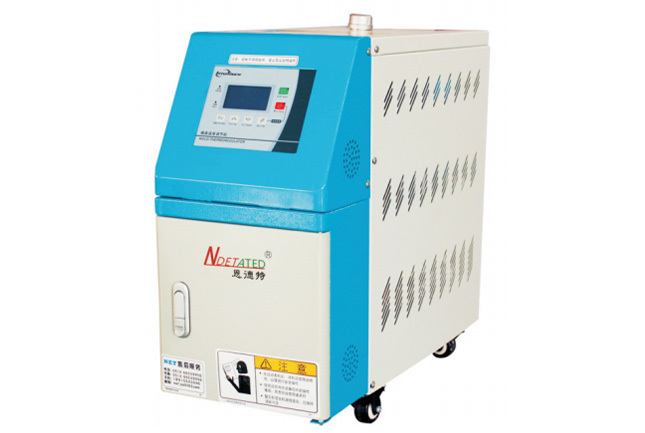
In modern manufacturing, maintaining precise temperature control during the molding process is crucial for ensuring product quality and reducing cycle times. The compact mold temperature controller unit serves as a vital component in this aspect, providing efficient thermal management tailored to the requirements of various molds and processes.
One of the primary advantages of a compact mold temperature controller unit is its space-saving design. Unlike traditional temperature control systems, these units are engineered to occupy minimal floor space, making them ideal for facilities with limited room for equipment. This compactness does not compromise performance; rather, it enhances operational efficiency by allowing for the integration of temperature control solutions into existing workflows without the need for extensive modifications.
Moreover, the versatility of these controllers is noteworthy. They can be utilized across a range of applications, from plastic injection molding to die-casting processes. By maintaining optimal temperatures, these units ensure that materials are processed under ideal conditions, which can significantly reduce defects and increase the lifespan of molds. Consequently, manufacturers can expect improved productivity and lower operational costs over time.
Another significant feature of compact mold temperature controller units is their advanced control systems. Many units now come equipped with intuitive interfaces that allow operators to easily monitor and adjust temperature settings in real time. This capability is vital for maintaining consistency, as variations in temperature can lead to variations in product quality. Additionally, some units incorporate smart technology, enabling remote monitoring and control, which further streamlines the production process.
Furthermore, energy efficiency is a crucial consideration for modern industrial operations. Compact mold temperature controller units are designed with energy-saving features that not only reduce consumption but also lower overall operational costs. By optimizing energy use without sacrificing performance, these units help manufacturers adhere to sustainability goals while maintaining productivity.
In conclusion, the compact mold temperature controller unit stands out as a vital asset in the industrial equipment landscape. Its space-efficient design, versatility across applications, advanced control capabilities, and energy efficiency make it an indispensable tool for manufacturers aiming to enhance their production processes. Investing in a high-quality temperature control solution can lead to significant improvements in product quality and operational efficiency, positioning businesses for success in a competitive market.
Hot Tags:
Contact Us
E-mail:
celine@jsntp.com
Phone:
86-18913523538
Address:
Building 3, Wanyang Zhongchuang City, No. 99 Hongfu Road, Libao Town, Hai'an City, Nantong City, Jiangsu Province
Contact Information
Phone: 8618550003508
Add: Building 3, Wanyang Zhongchuang City, No. 99 Hongfu Road, Libao Town, Hai'an City, Nantong City, Jiangsu Province

Request Quote