
Ultimate Guide to Maintaining Your Water Circulation Mold Temperature Controller for Longevity
Oct 15,2026
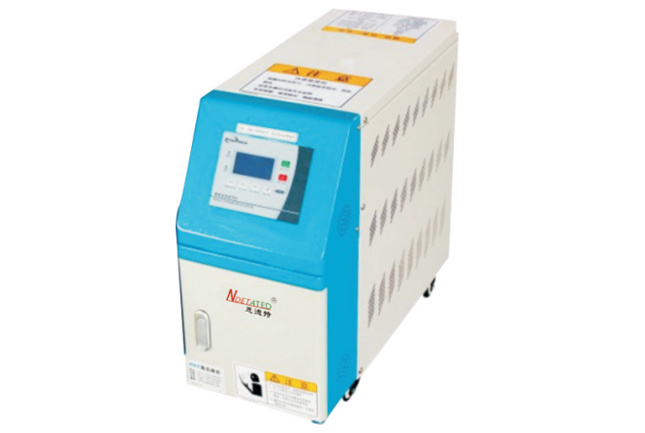
Ultimate Guide to Maintaining Your Water Circulation Mold Temperature Controller for Longevity
Table of Contents
- 1. Introduction
- 2. Understanding Water Circulation Mold Temperature Controllers
- 3. Importance of Regular Maintenance
- 4. Key Maintenance Tips for Longevity
- 4.1 Regular Cleaning Practices
- 4.2 Checking Fluid Levels
- 4.3 Inspecting Components for Wear
- 4.4 Calibrating the Controller
- 4.5 Monitoring Performance
- 5. Troubleshooting Common Issues
- 6. Best Practices for Operating Temperature Controllers
- 7. Advanced Maintenance Techniques
- 8. Conclusion
- 9. FAQs
1. Introduction
Maintaining your **water circulation mold temperature controller** is paramount for achieving optimal performance and extending its lifespan. These devices play a crucial role in ensuring consistent temperature regulation for molds used in various industrial applications. Regular maintenance not only enhances performance but also prevents costly breakdowns and repairs. In this guide, we will provide you with detailed strategies and expert tips to help you keep your temperature controller in top condition for years to come.
2. Understanding Water Circulation Mold Temperature Controllers
Water circulation mold temperature controllers are specialized devices designed to control and maintain the temperature of molds used in industrial processes. They utilize a closed-loop system to circulate water through the mold, maintaining a consistent temperature throughout the production cycle. The efficiency of these controllers directly impacts product quality, energy consumption, and operational costs. Understanding how these systems work is essential for effective maintenance.
3. Importance of Regular Maintenance
Regular maintenance of your water circulation mold temperature controller is crucial for several reasons:
- **Longevity**: Just like any other piece of equipment, consistent care can significantly extend the life of your controller.
- **Efficiency**: Well-maintained controllers operate more efficiently, leading to lower energy costs and reduced environmental impact.
- **Product Quality**: Temperature fluctuations can affect the quality of the final product. Regular maintenance helps keep temperatures steady.
- **Cost Savings**: Preventive maintenance can help you avoid costly repairs and downtime associated with equipment failure.
4. Key Maintenance Tips for Longevity
To ensure your water circulation mold temperature controller functions optimally, we recommend the following maintenance tips:
4.1 Regular Cleaning Practices
Cleaning is the foundation of any maintenance routine. Here are essential cleaning practices:
- **External Cleaning**: Regularly wipe down the exterior surfaces with a soft, damp cloth to remove dust and debris. Avoid harsh chemicals that could damage the finish.
- **Internal Cleaning**: Periodically check and clean the internal components, especially the water tank and pipes. Any buildup of scale or debris can hinder performance.
4.2 Checking Fluid Levels
Maintaining the correct fluid level is vital for proper operation. Follow these guidelines:
- **Daily Checks**: Inspect fluid levels daily to ensure they are within the recommended range. Low fluid levels can lead to overheating and damage.
- **Fluid Replacement**: Replace the fluid as recommended in the manufacturer's manual. Over time, fluids can become contaminated or lose their effectiveness.
4.3 Inspecting Components for Wear
Regular inspections can help identify worn components before they lead to failures:
- **Visual Checks**: Inspect hoses, pumps, and fittings for signs of wear or leaks. Replace any damaged parts immediately.
- **Functional Tests**: Perform tests on all components to ensure they are functioning as intended. This includes checking pumps and heaters for optimal performance.
4.4 Calibrating the Controller
Calibrating your mold temperature controller ensures accurate temperature readings:
- **Calibration Schedule**: Follow a regular calibration schedule as recommended by the manufacturer.
- **Tools Required**: Use calibrated instruments to verify temperature readings. Adjust the controller settings as necessary to match accurate temperatures.
4.5 Monitoring Performance
Keep a close eye on the performance metrics of your temperature controller:
- **Data Logging**: Utilize built-in data logging features to track performance trends over time. This can help identify potential issues before they escalate.
- **Performance Reviews**: Conduct regular performance reviews, focusing on temperature consistency, energy consumption, and overall functionality.
5. Troubleshooting Common Issues
Despite regular maintenance, you may encounter issues with your water circulation mold temperature controller. Here are some common problems and solutions:
- **Inconsistent Temperatures**: If you notice fluctuations, check for leaks in the system, ensure proper fluid levels, and inspect the calibration.
- **No Water Circulation**: If the pump is not operating, check the power supply, reset any tripped breakers, and ensure that the pump is not clogged with debris.
- **Overheating**: If the controller is overheating, ensure adequate ventilation, check for low fluid levels, and inspect the heating element for malfunctions.
6. Best Practices for Operating Temperature Controllers
To optimize the performance of your water circulation mold temperature controller, adhere to these best practices:
- **Consistent Operating Conditions**: Try to maintain stable operating conditions to minimize stress on the equipment. This includes ambient temperature and humidity levels.
- **Training for Operators**: Ensure that all operators are trained in the proper use and maintenance of the controller. Knowledgeable staff can prevent many common issues.
- **Keep Documentation Handy**: Always have the manufacturer's manual and maintenance records accessible for reference.
7. Advanced Maintenance Techniques
For those looking to take their maintenance routine further, consider the following advanced techniques:
- **Water Quality Testing**: Regularly test the quality of the water being circulated. Contaminated water can lead to corrosion and other issues.
- **System Upgrades**: Periodically review the system for potential upgrades that can enhance efficiency and performance.
- **Professional Inspections**: Consider scheduling professional inspections annually to ensure everything is functioning optimally.
8. Conclusion
Maintaining your water circulation mold temperature controller is essential for ensuring longevity and optimal performance. By following the tips and practices outlined in this guide, you can significantly reduce the risk of equipment failures, enhance product quality, and achieve cost savings. Regular cleaning, inspecting, and monitoring will keep your controller running smoothly, allowing you to focus on what truly matters: producing high-quality products.
9. FAQs
1. How often should I clean my water circulation mold temperature controller?
We recommend cleaning the external surfaces weekly and inspecting internal components every month.
2. What kind of fluid should I use in my temperature controller?
Always refer to the manufacturer’s manual for the recommended type of fluid, as it can vary based on the system.
3. Can I perform maintenance myself, or should I hire a professional?
Basic maintenance can be done by trained personnel, but we recommend professional inspections at least once a year.
4. What are the signs that my temperature controller needs repairs?
Signs include inconsistent temperature readings, unusual noises from the pump, or frequent overheating.
5. How can I improve the energy efficiency of my temperature controller?
Regular maintenance, correct fluid levels, and proper calibration are key factors in improving energy efficiency.
By following the recommendations in this guide, you will be well on your way to maintaining an efficient and reliable water circulation mold temperature controller that serves you well for years to come.
Hot Tags:
Contact Us
E-mail:
celine@jsntp.com
Phone:
86-18913523538
Address:
Building 3, Wanyang Zhongchuang City, No. 99 Hongfu Road, Libao Town, Hai'an City, Nantong City, Jiangsu Province
Contact Information
Phone: 8618550003508
Add: Building 3, Wanyang Zhongchuang City, No. 99 Hongfu Road, Libao Town, Hai'an City, Nantong City, Jiangsu Province

Request Quote