
How to Choose the Right Water/Oil Dual Mold Temperature Controller for Your Facility
Oct 09,2026
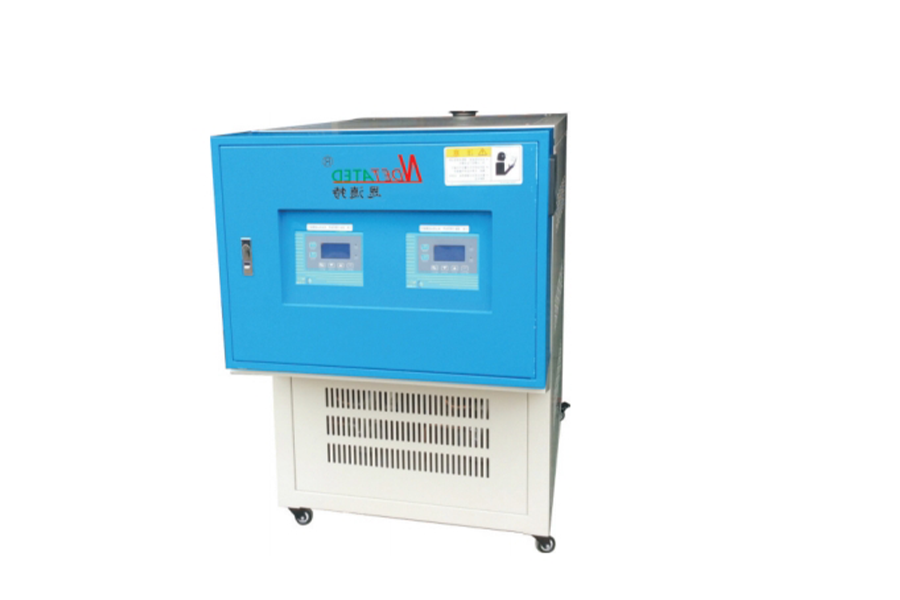
How to Choose the Right Water/Oil Dual Mold Temperature Controller for Your Facility
When it comes to maintaining the efficiency and quality of your manufacturing processes, selecting the right water/oil dual mold temperature controller is crucial. These controllers play a vital role in regulating the temperature of molds in various industrial applications, ensuring that production runs smoothly and that the final products meet the desired specifications. In this comprehensive guide, we will walk you through the key factors to consider when choosing the right temperature controller for your facility, along with practical tips to optimize your selection process.
Table of Contents
- 1. Introduction to Water/Oil Dual Mold Temperature Controllers
- 2. Why Water/Oil Dual Mold Temperature Controllers Matter
- 3. Key Features of Dual Mold Temperature Controllers
- 4. Factors to Consider When Choosing a Temperature Controller
- 4.1 Temperature Range
- 4.2 Flow Rate
- 4.3 Control Accuracy
- 4.4 Energy Efficiency
- 4.5 Material Compatibility
- 5. Installation and Maintenance Considerations
- 6. Applications of Water/Oil Dual Mold Temperature Controllers
- 7. Top Manufacturers of Dual Mold Temperature Controllers
- 8. Conclusion
- 9. Frequently Asked Questions (FAQs)
1. Introduction to Water/Oil Dual Mold Temperature Controllers
A water/oil dual mold temperature controller is an advanced device designed to regulate the temperature of molds used in various manufacturing processes. By utilizing both water and oil as cooling mediums, these controllers offer enhanced heat transfer capabilities, resulting in more efficient temperature management. This technology is particularly advantageous in industries such as plastic injection molding, die casting, and rubber molding, where precise temperature control is essential for product quality and production efficiency.
2. Why Water/Oil Dual Mold Temperature Controllers Matter
Understanding the significance of water/oil dual mold temperature controllers is vital for any facility engaged in manufacturing. Here are some key reasons why these controllers are essential:
- Improved Product Quality: Consistent temperature control leads to better mold filling, reduced defects, and improved surface finish.
- Enhanced Production Efficiency: Precise temperature regulation minimizes cycle times, maximizing output and reducing operational costs.
- Energy Savings: Efficient temperature control reduces energy consumption, helping companies lower their operational expenses.
- Extended Equipment Life: Proper temperature management can prevent overheating and reduce wear and tear on molds and machinery.
3. Key Features of Dual Mold Temperature Controllers
When selecting a water/oil dual mold temperature controller, it is essential to consider the key features that will optimize its performance. Here are some critical features to look for:
- Dual Medium Capability: Ensure that the controller can efficiently manage both water and oil, allowing for versatile applications.
- Temperature Regulation Accuracy: Look for models that offer precise temperature control to maintain consistent manufacturing conditions.
- User-Friendly Interface: A clear and intuitive interface simplifies operation and monitoring.
- Safety Features: Safety precautions such as over-temperature protection and alarms should be integrated into the system.
- PID Control: Proportional-Integral-Derivative (PID) control algorithms help maintain accuracy and stability in temperature regulation.
4. Factors to Consider When Choosing a Temperature Controller
Choosing the right water/oil dual mold temperature controller involves evaluating several factors to ensure it meets the specific needs of your facility. Below are the primary considerations:
4.1 Temperature Range
The temperature range of the controller is one of the most critical factors to consider. Different applications require different temperature ranges, so it's essential to select a controller that can accommodate the specific requirements of your molds. Generally, a wider temperature range allows for greater flexibility in processing various materials.
4.2 Flow Rate
The flow rate of the coolant is another essential consideration. An optimal flow rate ensures that the heat is effectively dissipated, preventing overheating and maintaining the desired mold temperature. Review the specifications of the controller and match them with the flow rate requirements of your molds.
4.3 Control Accuracy
Control accuracy is vital for maintaining consistent mold temperatures. Look for controllers that offer high precision in temperature settings, as this directly impacts the quality of your final products. Controllers with advanced PID algorithms can help achieve the desired accuracy.
4.4 Energy Efficiency
Energy-efficient temperature controllers can significantly reduce operational costs, making them a wise investment. Evaluate the energy consumption ratings of various models and consider options that provide effective performance while minimizing energy costs.
4.5 Material Compatibility
Different materials require different temperature management strategies. Ensure that the temperature controller you select is compatible with the materials used in your molds. This consideration is especially important when working with sensitive materials that may be adversely affected by temperature fluctuations.
5. Installation and Maintenance Considerations
Proper installation and maintenance of your temperature controller are crucial for ensuring its longevity and effective performance. Here are some best practices:
- Professional Installation: Enlist experienced technicians for the installation to ensure optimal setup and integration with existing systems.
- Regular Maintenance: Schedule regular maintenance checks to identify any potential issues before they escalate. This includes cleaning filters, inspecting hoses, and checking for leaks.
- Calibration: Regularly calibrate the temperature controller to maintain accuracy and reliability in temperature readings.
6. Applications of Water/Oil Dual Mold Temperature Controllers
Water/oil dual mold temperature controllers find applications across various industries. Here are some notable uses:
- Plastic Injection Molding: Ensures precise temperature control for consistent product quality and shorter cycle times.
- Die Casting: Manages mold temperatures to optimize cooling rates and improve surface finishes.
- Rubber Molding: Maintains uniform temperatures during the curing process for reliable product properties.
- Food Processing: Controls temperatures in molds used for food products to ensure safety and quality.
7. Top Manufacturers of Dual Mold Temperature Controllers
Selecting a reputable manufacturer is key to ensuring that you acquire a high-quality dual mold temperature controller. Some of the top manufacturers include:
- Temperature Control Solutions, Inc.: Known for innovative designs and reliable performance.
- Mold Temperature Controllers LLC: Offers a wide range of customizable solutions tailored to various applications.
- Thermal Management Technologies: Specializes in energy-efficient temperature control systems.
8. Conclusion
Choosing the right water/oil dual mold temperature controller for your facility is a critical decision that can significantly impact your production efficiency and product quality. By considering factors such as temperature range, flow rate, control accuracy, energy efficiency, and material compatibility, you can make an informed choice that aligns with your operational needs. Additionally, regular maintenance and professional installation will ensure the longevity and reliability of your temperature control solutions. With the right controller in place, you can optimize your manufacturing processes, enhance product quality, and ultimately drive business success.
9. Frequently Asked Questions (FAQs)
1. What is a water/oil dual mold temperature controller?
A water/oil dual mold temperature controller is a device designed to regulate mold temperatures using both water and oil as coolants, providing efficient temperature management for various industrial applications.
2. How do I determine the right temperature range for my mold?
The right temperature range depends on the materials used in your molds and the specifications of your manufacturing processes. Consult material datasheets and manufacturer guidelines to determine the appropriate temperatures.
3. What are the advantages of using dual mold temperature controllers?
Dual mold temperature controllers offer improved product quality, enhanced production efficiency, energy savings, and extended equipment life through precise temperature regulation.
4. How often should I perform maintenance on my temperature controller?
Regular maintenance checks should be conducted at least once every six months, or more frequently based on your facility's specific usage and environmental conditions.
5. Can I use a single medium controller instead of a dual mold temperature controller?
While single medium controllers may be suitable for some applications, dual mold temperature controllers provide better heat transfer and flexibility, making them ideal for complex manufacturing processes.
By following the guidelines outlined in this article, you can successfully navigate the process of selecting the right water/oil dual mold temperature controller for your facility, ensuring optimal performance and product quality.
Hot Tags:
PREVIOUS:
Contact Us
E-mail:
celine@jsntp.com
Phone:
86-18913523538
Address:
Building 3, Wanyang Zhongchuang City, No. 99 Hongfu Road, Libao Town, Hai'an City, Nantong City, Jiangsu Province
Contact Information
Phone: 8618550003508
Add: Building 3, Wanyang Zhongchuang City, No. 99 Hongfu Road, Libao Town, Hai'an City, Nantong City, Jiangsu Province

Request Quote