
Optimizing Process Cooling Equipment for the Plastic Industry: Key Insights and Best Practices
Oct 06,2026

In the plastic industry, maintaining precise temperature control during production is crucial for the quality and durability of the final products. Process cooling equipment serves as a pivotal component in achieving this goal, ensuring that the temperature remains within specified limits throughout manufacturing processes such as extrusion, injection molding, and blow molding. By effectively managing heat removal, these cooling systems help mitigate thermal stresses that can lead to defects, thus promoting higher product integrity and reducing scrap rates.
When selecting process cooling equipment, it is essential to consider several factors that influence performance and efficiency. First, understanding the specific cooling requirements of the production process is vital. Different applications may necessitate varying cooling capacities, temperatures, and flow rates. For instance, injection molding often requires rapid cooling to solidify the material quickly, while extrusion processes may need more consistent cooling to maintain shape and prevent warping.
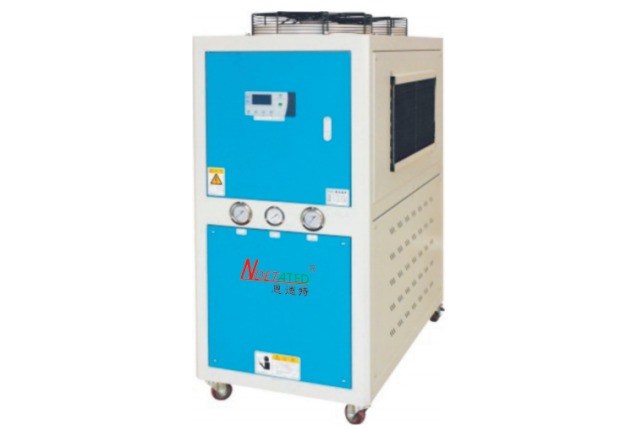
Moreover, the choice between air-cooled and water-cooled systems can significantly impact operational efficiency. Water-cooled systems are generally more efficient in removing heat but may require a well-maintained water supply and appropriate water treatment to avoid scaling and corrosion. Air-cooled systems, while easier to install and maintain, may be less effective in high heat-load applications. An understanding of the facility's environment and available resources will help determine the most suitable cooling solution.
Another critical consideration is the integration of automation and control technologies. Advanced process cooling equipment often includes sophisticated control systems that can monitor and adjust cooling parameters in real-time. Utilizing such technologies enhances energy efficiency and ensures that cooling is applied only when necessary, thus reducing operational costs. Additionally, data analytics can provide insights into the performance of the cooling system, identifying potential areas for improvement.
Regular maintenance of process cooling equipment is also essential to ensure optimal performance. Preventive maintenance schedules can help identify issues before they escalate into costly downtimes. Cleaning cooling coils, checking for leaks, and monitoring fluid levels are essential tasks that contribute to the longevity and efficiency of the equipment.
In conclusion, selecting and optimizing process cooling equipment for the plastic industry involves a comprehensive understanding of specific cooling needs, equipment types, and maintenance practices. By implementing these insights and best practices, manufacturers can improve product quality, enhance operational efficiency, and achieve a competitive edge in the plastic market. Investing in the right cooling solutions will ultimately support the growth and sustainability of the manufacturing process.
Hot Tags:
Contact Us
E-mail:
celine@jsntp.com
Phone:
86-18913523538
Address:
Building 3, Wanyang Zhongchuang City, No. 99 Hongfu Road, Libao Town, Hai'an City, Nantong City, Jiangsu Province
Contact Information
Phone: 8618550003508
Add: Building 3, Wanyang Zhongchuang City, No. 99 Hongfu Road, Libao Town, Hai'an City, Nantong City, Jiangsu Province

Request Quote