
How Energy Efficient Air Cooled Chillers Contribute to a Greener Environment
Oct 03,2026
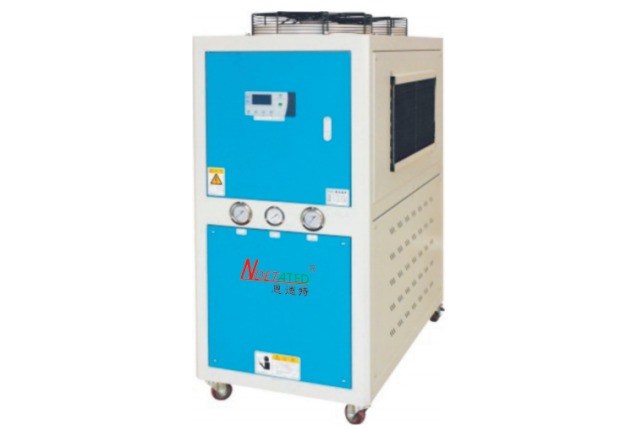
How Energy Efficient Air Cooled Chillers Contribute to a Greener Environment
Table of Contents
1. Introduction to Air Cooled Chillers and Their Importance
2. Understanding Energy Efficiency in Chillers
3. The Role of Air Cooled Chillers in Energy Conservation
4. Environmental Benefits of Using Energy Efficient Chillers
4.1 Reducing Greenhouse Gas Emissions
4.2 Minimizing Water Usage
4.3 Enhancing Indoor Air Quality
5. Technological Advancements in Air Cooled Chillers
6. Choosing Energy Efficient Chillers for Your Business
7. Case Studies: Successful Implementation of Energy Efficient Chillers
8. Frequently Asked Questions (FAQs)
9. Conclusion
1. Introduction to Air Cooled Chillers and Their Importance
In the realm of industrial processes and climate control, **air cooled chillers** have emerged as critical components that significantly enhance energy efficiency and sustainability. As the demand for cooling solutions continues to rise, understanding the mechanics and benefits of these systems is imperative. This article delves into the functionality of air cooled chillers and highlights how their energy efficiency contributes to a greener environment.
2. Understanding Energy Efficiency in Chillers
Energy efficiency is defined as the ability to perform the same task using less energy. For chillers, this involves optimizing power consumption while maintaining effective cooling performance. The **Coefficient of Performance (COP)** is a critical metric that indicates how efficiently a chiller operates. The higher the COP, the more efficient the chiller is at converting electrical energy into cooling. Energy efficient chillers utilize advanced technologies, such as variable speed drives and enhanced heat exchange methods, to maximize performance while minimizing energy consumption.
3. The Role of Air Cooled Chillers in Energy Conservation
Air cooled chillers play a pivotal role in energy conservation across various applications, from commercial buildings to manufacturing facilities. Unlike water-cooled systems, which require cooling towers, air cooled chillers rely on ambient air to dissipate heat, thereby simplifying installation and maintenance. Their design inherently allows for reduced energy usage, especially in environments where water availability is limited or where water regulations are stringent. This not only leads to cost savings but also helps organizations align with sustainability goals.
4. Environmental Benefits of Using Energy Efficient Chillers
Integrating energy efficient air cooled chillers into industrial and commercial settings brings forth numerous environmental advantages.
4.1 Reducing Greenhouse Gas Emissions
One of the most significant benefits of energy efficient chillers is their potential to reduce greenhouse gas emissions. Traditional chillers consume large amounts of electricity, often generated from fossil fuels. In contrast, energy efficient chillers lower electricity demand, which directly translates to reduced emissions from power plants. Adopting these advanced systems can lead to a substantial decrease in carbon footprints, aiding in the fight against climate change.
4.2 Minimizing Water Usage
Water scarcity is an emerging global challenge, and industries are increasingly scrutinized for their water consumption. Air cooled chillers, by design, utilize air instead of water for cooling, significantly reducing water consumption. This not only conserves a vital resource but also alleviates the strain on water treatment facilities. Organizations can thus enhance their sustainability profile while ensuring compliance with environmental regulations.
4.3 Enhancing Indoor Air Quality
Energy efficient air cooled chillers contribute to enhanced indoor air quality by utilizing advanced filtration systems. These systems reduce the circulation of airborne pollutants and allergens, creating healthier environments for occupants. Improved air quality plays a crucial role in enhancing productivity and well-being in workplaces and commercial spaces.
5. Technological Advancements in Air Cooled Chillers
The evolution of technology has propelled air cooled chillers to new heights of efficiency and reliability. Innovations such as **inverter-driven compressors**, smart controls, and advanced heat exchangers have made it possible to optimize energy use dynamically. Inverter technology adjusts the speed of the compressor based on the cooling load, ensuring that energy is only consumed when necessary. This adaptive approach minimizes waste and enhances overall system performance.
6. Choosing Energy Efficient Chillers for Your Business
When selecting an energy efficient air cooled chiller for your business, several factors come into play.
- **Load Requirements:** Understanding your cooling needs is essential. An appropriately sized chiller ensures optimal performance without unnecessary energy consumption.
- **Energy Efficiency Ratings:** Look for chillers with high SEER (Seasonal Energy Efficiency Ratio) and EER (Energy Efficiency Ratio) ratings, which indicate superior energy performance.
- **Lifecycle Cost Analysis:** Consider not just the purchase price but also the operational costs over the chiller's lifespan. Energy savings can significantly offset initial investments.
- **Manufacturer Reputation:** Choose a reputable manufacturer known for high-quality products and customer support.
7. Case Studies: Successful Implementation of Energy Efficient Chillers
Numerous organizations have successfully implemented energy efficient air cooled chillers, yielding exemplary results. For instance, a prominent manufacturing facility in California upgraded its old chiller system to a new, energy efficient model. The transition resulted in a **30% reduction in energy consumption**, leading to substantial cost savings and a decrease in greenhouse gas emissions. Similarly, a commercial office building in New York reported improved occupant comfort and reduced operational costs after installing advanced energy efficient chillers. These real-world examples showcase the benefits of investing in sustainable cooling solutions.
8. Frequently Asked Questions (FAQs)
Q1: What is the lifespan of an energy efficient air cooled chiller?
A1: Energy efficient air cooled chillers typically have a lifespan of 15 to 20 years, depending on maintenance and operating conditions.
Q2: How can I determine if my current chiller is energy efficient?
A2: Check the energy efficiency ratings (SEER and EER) of your chiller. If the ratings are low, it may be time to consider an upgrade.
Q3: Can energy efficient chillers help reduce operational costs?
A3: Yes, energy efficient chillers lower energy consumption, leading to significant cost savings on utility bills.
Q4: Are there incentives for upgrading to energy efficient chillers?
A4: Many regions offer rebates and incentives for businesses that upgrade to energy efficient equipment. Check with local utility providers for available programs.
Q5: What maintenance is required for air cooled chillers?
A5: Regular maintenance includes checking refrigerant levels, cleaning coils, and inspecting electrical components to ensure optimal performance and longevity.
9. Conclusion
In conclusion, energy efficient air cooled chillers represent a significant advancement in industrial cooling technology. Their ability to conserve energy, reduce greenhouse gas emissions, and minimize water usage makes them an essential component in the quest for a greener environment. By embracing these systems, businesses not only enhance their operational efficiency but also contribute to a sustainable future. Investing in energy efficient chillers is not merely a cost-saving measure; it is a commitment to environmental stewardship and corporate responsibility. As industries continue to prioritize sustainability, the role of air cooled chillers will become increasingly vital, paving the way for a cleaner, greener planet.
Hot Tags:
PREVIOUS:
Contact Us
E-mail:
celine@jsntp.com
Phone:
86-18913523538
Address:
Building 3, Wanyang Zhongchuang City, No. 99 Hongfu Road, Libao Town, Hai'an City, Nantong City, Jiangsu Province
Contact Information
Phone: 8618550003508
Add: Building 3, Wanyang Zhongchuang City, No. 99 Hongfu Road, Libao Town, Hai'an City, Nantong City, Jiangsu Province

Request Quote