
Understanding Oil Heating Mold Temperature Units: Essential Insights for Industrial Applications
Sep 24,2026
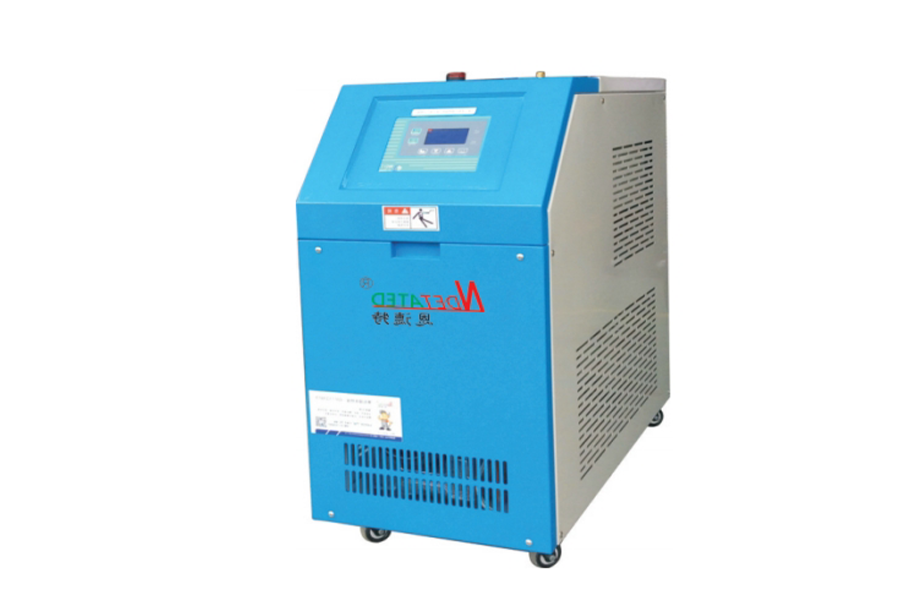
Oil heating mold temperature units are specialized devices designed to maintain and control the temperature of molds used in various manufacturing processes. These units are particularly popular in industries such as plastics, rubber, and metal casting, where precise temperature regulation is essential for achieving high-quality outputs. The primary function of an oil heating mold temperature unit is to circulate heated oil through channels within the mold, ensuring even heat distribution and preventing thermal fluctuations that could result in defects.
One of the key advantages of using oil as a heating medium is its excellent thermal conductivity. Oil can retain heat more effectively than water, which allows for quicker response times when adjustments are necessary. This property is especially beneficial when dealing with materials that require specific temperature ranges for optimal processing. Moreover, oil heating units can operate at higher temperatures without the risk of boiling, making them suitable for applications that demand elevated heating conditions.
When considering the integration of an oil heating mold temperature unit into your manufacturing process, several technical aspects need attention. Firstly, the selection of the appropriate oil is critical; it needs to have a high thermal stability and a suitable viscosity to facilitate efficient heat transfer. The design of the mold also plays a significant role; ensuring that the channels for oil circulation are strategically placed can enhance the overall heating efficiency.
Additionally, operators must be aware of the maintenance requirements of these units. Regular checks for oil quality and circulation efficiency are important to avoid any operational failures. Implementing a proper maintenance schedule can extend the life of the equipment and ensure consistent production quality.
The control systems associated with oil heating mold temperature units may also vary. Advanced units come equipped with digital interfaces that allow for precise temperature control, often featuring programmable settings for different production runs. This level of automation not only improves accuracy but also helps in reducing energy consumption by minimizing fluctuations in heating.
In summary, oil heating mold temperature units are a vital component in many industrial manufacturing processes. Their ability to provide consistent and efficient temperature control directly impacts product quality and operational efficiency. By understanding the principles behind these units and implementing best practices in their use, manufacturers can significantly enhance their production capabilities and achieve superior results.
Hot Tags:
Contact Us
E-mail:
celine@jsntp.com
Phone:
86-18913523538
Address:
Building 3, Wanyang Zhongchuang City, No. 99 Hongfu Road, Libao Town, Hai'an City, Nantong City, Jiangsu Province
Contact Information
Phone: 8618550003508
Add: Building 3, Wanyang Zhongchuang City, No. 99 Hongfu Road, Libao Town, Hai'an City, Nantong City, Jiangsu Province

Request Quote