
Understanding the Advanced Technology of Water/Oil Dual Mold Temperature Controllers
Sep 21,2026
Understanding the Advanced Technology of Water/Oil Dual Mold Temperature Controllers
Table of Contents
- 1. Introduction to Dual Mold Temperature Controllers
- 2. What Are Water/Oil Dual Mold Temperature Controllers?
- 3. How Do They Work?
- 4. Benefits of Using Water/Oil Dual Mold Temperature Controllers
- 5. Applications in Industry
- 6. Maintenance and Troubleshooting
- 7. Comparison with Other Temperature Control Systems
- 8. Future Trends in Temperature Control Technology
- 9. Frequently Asked Questions
- 10. Conclusion
1. Introduction to Dual Mold Temperature Controllers
In the ever-evolving landscape of industrial manufacturing, the efficiency of temperature control systems plays a vital role in product quality and operational efficiency. Water/oil dual mold temperature controllers are engineered to provide precise temperature regulation for molds used in various production processes. Understanding the technology behind these controllers can equip manufacturers with the knowledge to enhance their operations and maximize productivity.
2. What Are Water/Oil Dual Mold Temperature Controllers?
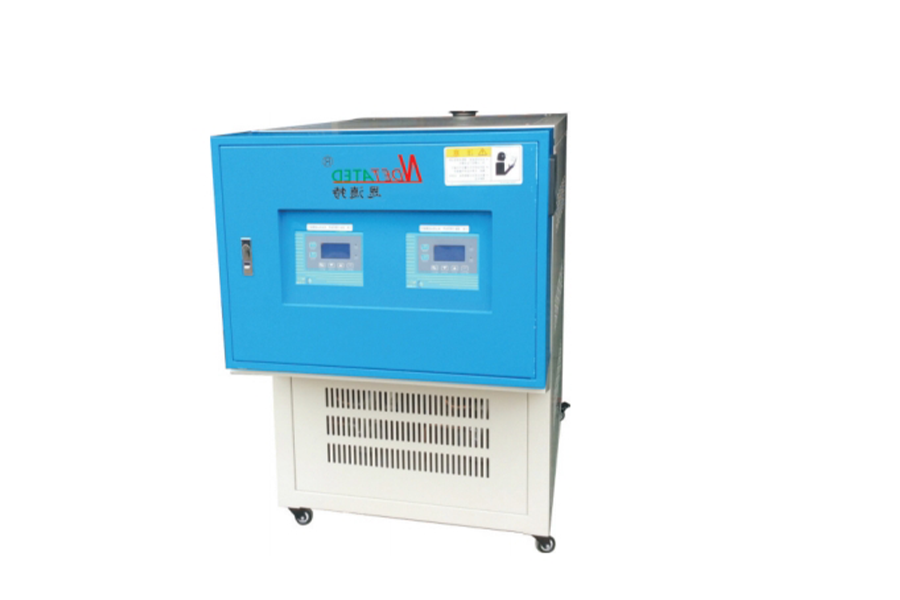
Water/oil dual mold temperature controllers are sophisticated devices designed to regulate the temperature of molds used in various manufacturing processes, including plastic injection molding and die casting. These controllers utilize both water and oil as heat transfer mediums, allowing for precise temperature management across a wide range of temperatures and applications.
2.1 Components of Dual Mold Temperature Controllers
The main components of these systems include:
- **Heat Exchangers**: Facilitate efficient heat transfer between the heating/cooling mediums and the mold.
- **Pumps**: Circulate the water or oil through the system to ensure even temperature distribution.
- **Temperature Sensors**: Monitor the temperature within the mold and provide feedback to the control system.
- **Control Panel**: Allows operators to set desired temperatures and monitor system performance in real-time.
3. How Do They Work?
Water/oil dual mold temperature controllers operate through a cycle of heating and cooling, allowing for precise control over the mold temperature. Here’s a breakdown of the process:
3.1 Heating Cycle
During the heating phase, the controller utilizes electric heaters to heat the oil or water. The hot medium is then circulated through the mold, raising its temperature to the desired set point. The temperature sensors constantly monitor the mold's temperature, ensuring it remains stable.
3.2 Cooling Cycle
Conversely, during the cooling phase, chilled water is circulated through the system to lower the mold temperature. This rapid cooling is essential for maintaining the quality of the product being manufactured, particularly in processes where cooling rates impact material properties.
3.3 Feedback Mechanism
The feedback mechanism plays a crucial role in maintaining the desired temperature. Real-time data from temperature sensors enable the control panel to adjust the heating or cooling output as necessary, ensuring the mold temperature remains consistent throughout the production cycle.
4. Benefits of Using Water/Oil Dual Mold Temperature Controllers
The adoption of water/oil dual mold temperature controllers brings a host of benefits to manufacturers:
4.1 Enhanced Temperature Control
These systems provide superior temperature control compared to single-medium systems. The dual approach allows for precise temperature management, which directly affects product quality.
4.2 Increased Production Efficiency
By maintaining optimal temperatures throughout the manufacturing process, these controllers help reduce cycle times, leading to increased productivity and throughput.
4.3 Versatility in Applications
Water/oil dual mold temperature controllers are suitable for a wide range of applications, including plastic molding, die casting, and metal forming, making them a versatile choice for various industries.
4.4 Cost-Effectiveness
While the initial investment may be higher, the long-term savings from reduced scrap rates and improved production efficiency often outweigh the costs.
5. Applications in Industry
Water/oil dual mold temperature controllers find applications across multiple industries:
5.1 Plastic Injection Molding
In plastic injection molding, maintaining the right mold temperature is crucial for ensuring consistent part quality. Dual temperature controllers help achieve the required thermal profiles for different materials.
5.2 Die Casting
In die casting, temperature control is vital for ensuring the integrity of the cast parts. These controllers allow for precise management of the die temperature, resulting in superior finish and reduced defects.
5.3 Metal Forming
In metal forming processes, temperature significantly affects material flow and properties. Water/oil dual mold temperature controllers help optimize these processes for better results.
6. Maintenance and Troubleshooting
Regular maintenance is essential for ensuring the reliability and performance of water/oil dual mold temperature controllers.
6.1 Routine Checks
Perform routine checks on components such as pumps, heat exchangers, and temperature sensors to ensure they are functioning correctly. Regularly inspect for leaks, corrosion, or other wear-and-tear issues.
6.2 Cleaning Procedures
Keep the system clean to prevent blockages and ensure efficient operation. Regularly flush the system to remove any buildup of debris or contaminants that may affect performance.
6.3 Troubleshooting Common Issues
Familiarize yourself with common issues such as temperature fluctuations, pump failures, or sensor malfunctions. Understanding these problems can help in quickly diagnosing the issue and implementing solutions.
7. Comparison with Other Temperature Control Systems
When considering temperature control systems, manufacturers often compare water/oil dual mold temperature controllers with other systems, such as water-only or oil-only controllers.
7.1 Water-Only Systems
While water-only systems are simpler and generally less expensive, they may not provide the same level of temperature control or heating capacity as dual systems, making them less suitable for applications requiring precise thermal management.
7.2 Oil-Only Systems
Oil-only systems offer excellent heat retention but lack the rapid cooling capabilities of water-based systems. Dual systems combine the advantages of both mediums for a more balanced approach.
8. Future Trends in Temperature Control Technology
As industries evolve, so do temperature control technologies. Key trends include:
8.1 Smart Temperature Control
The integration of IoT (Internet of Things) technology is on the rise, with smart controllers providing real-time data and remote monitoring capabilities, enhancing operational efficiency.
8.2 Energy Efficiency
Future developments aim to improve energy efficiency, with systems designed to consume less power while maintaining optimal performance.
8.3 Advanced Materials
Research into advanced materials for heat exchangers and pumps is ongoing, promising improved durability and performance in varying temperatures and conditions.
9. Frequently Asked Questions
9.1 What is the difference between water and oil in temperature control systems?
Water offers rapid cooling but less effective heat retention, while oil provides excellent heat retention but slower cooling. Dual systems combine the benefits of both.
9.2 How often should I maintain my dual mold temperature controller?
Regular maintenance should be performed at least quarterly, with more frequent checks during high-demand periods.
9.3 Can dual mold temperature controllers improve production quality?
Yes, maintaining optimal mold temperatures enhances product consistency and reduces defects, thus improving overall production quality.
9.4 What industries benefit the most from these controllers?
Industries such as plastics, metal forming, and die casting find significant advantages from using water/oil dual mold temperature controllers due to their precise temperature management capabilities.
9.5 Are there energy-efficient options available for dual mold temperature controllers?
Many manufacturers are developing energy-efficient models that reduce power consumption while maintaining optimal performance levels.
10. Conclusion
Water/oil dual mold temperature controllers represent a critical advancement in the realm of industrial temperature management. By understanding their workings and the benefits they bring, manufacturers can enhance their operations, improve product quality, and ultimately drive profitability. As technology continues to evolve, staying informed about these advancements will be essential for maintaining a competitive edge in the market. Whether in plastic injection molding or die casting, investing in dual temperature controllers is a step towards achieving operational excellence.
Hot Tags:
PREVIOUS:
Contact Us
E-mail:
celine@jsntp.com
Phone:
86-18913523538
Address:
Building 3, Wanyang Zhongchuang City, No. 99 Hongfu Road, Libao Town, Hai'an City, Nantong City, Jiangsu Province
Contact Information
Phone: 8618550003508
Add: Building 3, Wanyang Zhongchuang City, No. 99 Hongfu Road, Libao Town, Hai'an City, Nantong City, Jiangsu Province

Request Quote