
Exploring Advanced Features in Water Circulation Mold Temperature Controllers: Maximizing Efficiency and Precision
Sep 27,2026
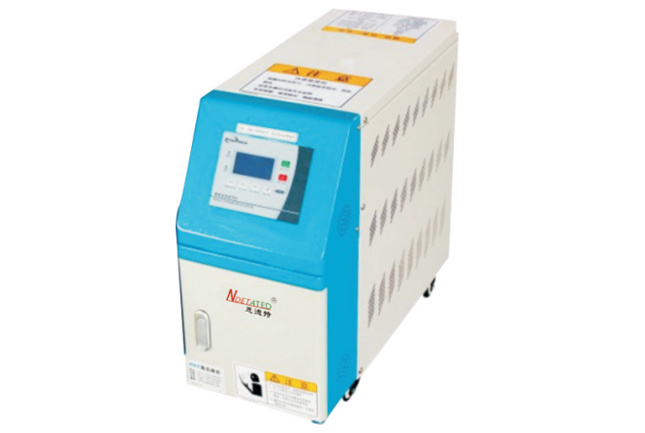
Exploring Advanced Features in Water Circulation Mold Temperature Controllers
Table of Contents
- 1. Introduction: The Importance of Mold Temperature Control
- 2. What Are Water Circulation Mold Temperature Controllers?
- 3. Advanced Features of Water Circulation Mold Temperature Controllers
- 3.1 Energy Efficiency Innovations
- 3.2 Real-Time Monitoring Capabilities
- 3.3 User-Friendly Interface and Control
- 3.4 Remote Access and Control Features
- 3.5 Data Analytics for Enhanced Performance
- 4. Benefits of Using Advanced Mold Temperature Controllers
- 5. Applications Across Industries
- 6. Maintenance and Best Practices
- 7. Conclusion: The Future of Mold Temperature Control
- 8. FAQs
1. Introduction: The Importance of Mold Temperature Control
In industrial manufacturing, achieving the right temperature during the molding process is crucial for producing quality products. **Water circulation mold temperature controllers** play a pivotal role in regulating temperatures consistently, ensuring that molds operate efficiently without overheating or under-heating. These controllers are integral to various industries, including plastics, automotive, and food packaging, where precision is key.
2. What Are Water Circulation Mold Temperature Controllers?
Water circulation mold temperature controllers are advanced systems designed to maintain specific temperatures within molds during the production process. They use water as a cooling or heating medium to transfer thermal energy effectively. These units are equipped with pumps, heaters, and temperature sensors that work together to provide precise temperature control. This technology allows for better quality control, reduced cycle times, and improved energy efficiency in manufacturing processes.
3. Advanced Features of Water Circulation Mold Temperature Controllers
As technology advances, so too do the features of water circulation mold temperature controllers. Here, we explore some of the most innovative capabilities that these systems offer today.
3.1 Energy Efficiency Innovations
Modern water circulation mold temperature controllers are designed with **energy efficiency** in mind. They incorporate advanced insulation materials, variable speed pumps, and smart algorithms that optimize energy usage. By minimizing energy consumption, manufacturers can significantly reduce operational costs while also contributing to sustainability efforts. These controllers often include features such as automatic shut-off during idle times and energy monitoring systems that provide insights into consumption patterns.
3.2 Real-Time Monitoring Capabilities
Real-time monitoring is a game-changer in maintaining mold temperature accuracy. Advanced controllers come equipped with multiple sensors that provide continuous feedback on temperature and flow rates. This data is crucial for identifying potential issues before they escalate, allowing for immediate adjustments. With notifications and alerts for temperature deviations, operators can ensure that the molding process remains within the desired parameters, thus enhancing product quality.
3.3 User-Friendly Interface and Control
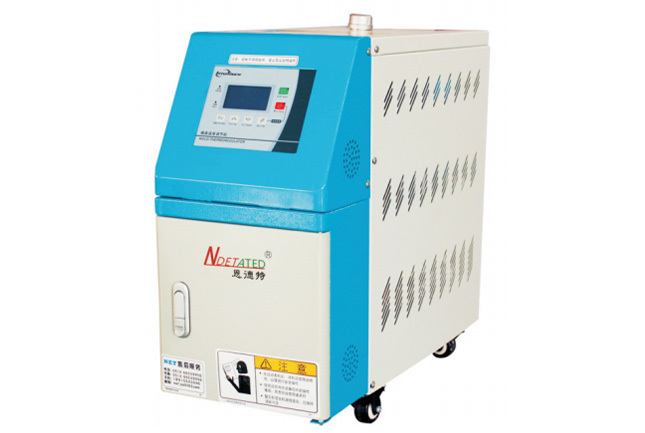
A **user-friendly interface** is essential for effective operation and control of mold temperature systems. High-tech controllers feature intuitive touch screens that display real-time data and allow for easy adjustments. The interface often includes graphical representations of temperature trends, making it easier for operators to make informed decisions. Furthermore, customizable settings enable users to save specific profiles for different products, enhancing convenience and efficiency.
3.4 Remote Access and Control Features
With the rise of the Internet of Things (IoT), many modern water circulation mold temperature controllers now come with **remote access features**. This capability allows operators to monitor and control the system from anywhere, using smartphones or computers. Remote access enhances flexibility, enabling quick responses to any temperature fluctuations and reducing downtime. It also facilitates collaboration among team members, as data can be shared seamlessly across different locations.
3.5 Data Analytics for Enhanced Performance
The integration of **data analytics** in mold temperature controllers is revolutionizing how manufacturers approach production efficiency. These systems collect vast amounts of data over time, which can be analyzed to identify trends and optimize processes. By understanding how temperature variations affect product quality and cycle times, manufacturers can make data-driven decisions that enhance overall performance. Predictive maintenance alerts based on usage statistics further prevent unexpected breakdowns and prolong equipment lifespan.
4. Benefits of Using Advanced Mold Temperature Controllers
Investing in advanced water circulation mold temperature controllers can yield numerous benefits for manufacturers:
1. **Improved Product Quality**: Consistent temperature control minimizes defects and enhances the mechanical properties of molded parts.
2. **Increased Production Efficiency**: Optimized cycle times lead to higher output and reduced operational costs.
3. **Energy Savings**: Advanced energy-efficient designs translate to lower utility bills and a reduced carbon footprint.
4. **Enhanced Safety**: Real-time monitoring and alerts minimize the risk of overheating, protecting both equipment and personnel.
5. **Better Decision-Making**: Data analytics provide insights that lead to more informed operational decisions.
5. Applications Across Industries
Water circulation mold temperature controllers find applications in various sectors, including:
- **Plastic Manufacturing**: Essential for injection molding processes to ensure consistent quality and reduce cycle times.
- **Automotive Industry**: Used in the production of parts where precision and quality are paramount.
- **Food Packaging**: Maintains required temperatures during the molding of containers and packaging materials to ensure safety and quality.
- **Electronics**: Controls temperatures during the molding of electronic housing, ensuring durability and performance.
6. Maintenance and Best Practices
To ensure the longevity and optimal performance of water circulation mold temperature controllers, regular maintenance is essential. Here are some best practices:
- **Routine Inspections**: Regularly check for leaks, wear on seals, and pump functionality.
- **Cleaning and Flushing**: Periodically clean the system to prevent buildup of contaminants that could affect efficiency.
- **Calibration**: Ensure sensors are calibrated correctly to maintain accurate temperature readings.
7. Conclusion: The Future of Mold Temperature Control
In conclusion, water circulation mold temperature controllers represent a significant leap forward in industrial temperature management. With their advanced features, such as energy efficiency, real-time monitoring, and data analytics, these systems are essential for manufacturers seeking to enhance product quality and operational efficiency. As technology continues to evolve, we can expect even more innovations in mold temperature control, driving the industry towards greater sustainability and effectiveness.
8. FAQs
**Q1: What is the primary function of water circulation mold temperature controllers?**
A1: Their primary function is to regulate the temperature of molds during the manufacturing process to ensure product quality and efficiency.
**Q2: How do advanced features improve energy efficiency?**
A2: Advanced features such as variable speed pumps and automatic shut-off reduce unnecessary energy consumption.
**Q3: Can I monitor my mold temperature controller remotely?**
A3: Yes, many modern controllers offer remote access capabilities, allowing for monitoring and control from anywhere.
**Q4: What industries benefit from using mold temperature controllers?**
A4: Industries such as plastics, automotive, food packaging, and electronics benefit significantly from these systems.
**Q5: What maintenance practices should be followed for optimal performance?**
A5: Routine inspections, cleaning, and calibration of sensors are essential for maintaining optimal performance.
Hot Tags:
Contact Us
E-mail:
celine@jsntp.com
Phone:
86-18913523538
Address:
Building 3, Wanyang Zhongchuang City, No. 99 Hongfu Road, Libao Town, Hai'an City, Nantong City, Jiangsu Province
Contact Information
Phone: 8618550003508
Add: Building 3, Wanyang Zhongchuang City, No. 99 Hongfu Road, Libao Town, Hai'an City, Nantong City, Jiangsu Province

Request Quote