
Understanding Oil Heating Mold Temperature Units: A Comprehensive Guide for Industrial Applications
Sep 06,2026
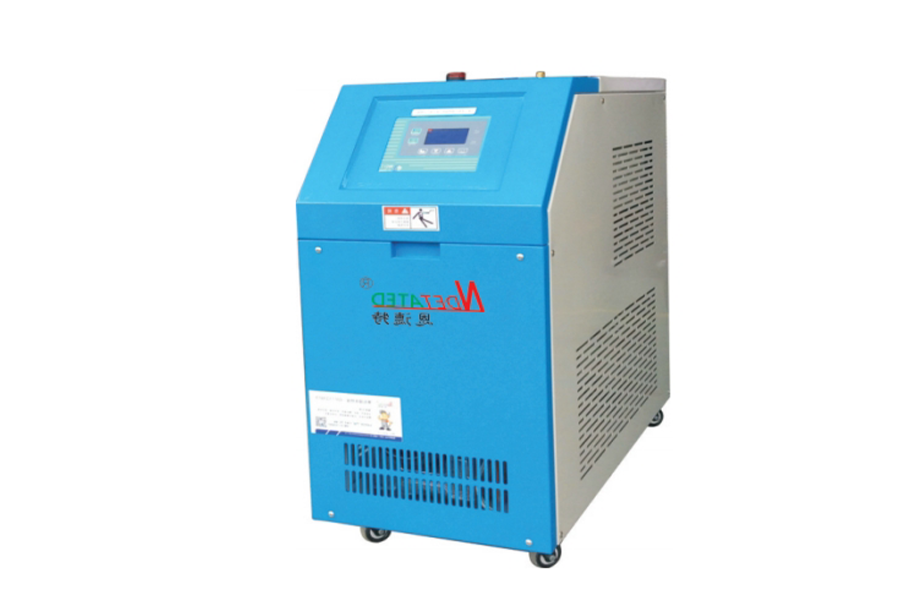
In the realm of industrial equipment, particularly in heat transfer technologies, oil heating mold temperature units play a crucial role. These units are specifically designed to maintain optimal temperatures during various manufacturing processes, ensuring that materials are processed efficiently and effectively. Understanding how these units operate and their applications can greatly enhance production quality and operational efficiency.
Oil heating mold temperature units primarily utilize thermal oil as a heat transfer medium. This choice is advantageous due to thermal oil's ability to operate at higher temperatures than traditional water-based systems without the risk of boiling. This feature allows for precise temperature control, which is essential in processes such as injection molding, extrusion, and die-casting. By utilizing oil, manufacturers can achieve more consistent temperatures across molds, resulting in improved product quality and reduced cycle times.
One of the key benefits of oil heating units is their energy efficiency. These units are designed to minimize heat loss, allowing for quicker heating times and a reduction in energy consumption. This is particularly important in industrial settings where energy costs can significantly impact the bottom line. Additionally, the stability of thermal oil at elevated temperatures means less frequent maintenance and replacement, further contributing to cost savings.
The versatility of oil heating mold temperature units also deserves mention. They can be adapted for a variety of applications beyond just traditional mold heating. Industries such as plastics, food processing, and metalworking have all benefited from the precision and reliability that these units offer. The capacity to integrate with automation systems enhances their functionality, allowing for real-time monitoring and adjustments, which can further streamline production processes.
When considering the implementation of oil heating mold temperature units, several factors should be taken into account. Proper sizing and configuration are crucial to ensure that the unit meets the specific demands of the application. Factors such as the type of material being processed, the required temperature range, and the volume of production must all be considered. Collaborating with experienced professionals in the field can help ensure that the right solution is chosen.
In conclusion, oil heating mold temperature units are indispensable in modern industrial applications, offering significant advantages in energy efficiency, temperature control, and versatility. By understanding their functionality and applications, professionals can optimize their manufacturing processes, resulting in enhanced product quality and reduced operational costs. Investing in the right technology is key to staying competitive in today's fast-paced industrial environment, making it essential to explore the potential of these advanced heat transfer solutions.
Hot Tags:
Contact Us
E-mail:
celine@jsntp.com
Phone:
86-18913523538
Address:
Building 3, Wanyang Zhongchuang City, No. 99 Hongfu Road, Libao Town, Hai'an City, Nantong City, Jiangsu Province
Contact Information
Phone: 8618550003508
Add: Building 3, Wanyang Zhongchuang City, No. 99 Hongfu Road, Libao Town, Hai'an City, Nantong City, Jiangsu Province

Request Quote