
The Impact of Water Circulation Mold Temperature Controllers on Product Quality
Sep 09,2026
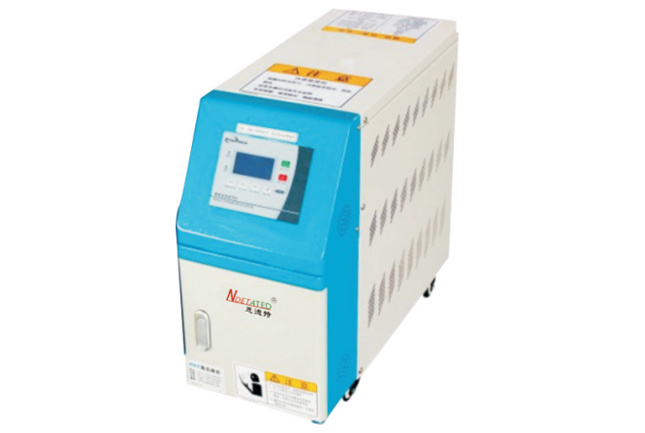
The Impact of Water Circulation Mold Temperature Controllers on Product Quality
Table of Contents
- 1. Introduction to Water Circulation Mold Temperature Controllers
- 2. Understanding Thermal Control in Manufacturing
- 3. Importance of Temperature Regulation in Production Processes
- 4. How Water Circulation Controllers Work
- 5. Benefits of Using Water Circulation Mold Temperature Controllers
- 6. Applications in Industrial Manufacturing
- 7. Choosing the Right Water Circulation Mold Temperature Controller
- 8. Common Challenges and Solutions in Temperature Control
- 9. Conclusion
- 10. Frequently Asked Questions (FAQs)
1. Introduction to Water Circulation Mold Temperature Controllers
Water circulation mold temperature controllers are pivotal devices in the production of high-quality products in various industries, particularly in plastic molding and metal casting. These controllers maintain precise temperature levels, allowing manufacturers to achieve optimal results. By regulating the temperature of the mold, these devices ensure that the materials used in production reach their ideal thermal state, which is crucial for superior product quality.
2. Understanding Thermal Control in Manufacturing
Thermal control plays a fundamental role in manufacturing processes. It involves managing the temperature of equipment and materials to ensure consistency and quality in the final product. Improper temperature control can lead to defects such as warping, surface imperfections, and inconsistent material properties. Therefore, implementing effective thermal control systems, such as water circulation mold temperature controllers, is essential for achieving desired product specifications.
The Science Behind Thermal Control
Thermal control is grounded in the principles of heat transfer, which include conduction, convection, and radiation. In the context of mold temperature control, conduction is particularly significant as heat is transferred from the mold to the material. Consequently, maintaining an optimal temperature enhances the material's flow characteristics during injection, ensuring a consistent and high-quality finish.
3. Importance of Temperature Regulation in Production Processes
Temperature regulation is essential for several reasons:
3.1 Enhancing Material Properties
Materials used in manufacturing can exhibit different properties based on temperature. For instance, plastics can become more malleable at higher temperatures, allowing for better shaping and molding. Conversely, too high a temperature can lead to degradation. Therefore, precise temperature control ensures that materials achieve the desired properties without compromising integrity.
3.2 Improving Production Efficiency
Consistency in temperature translates to higher production efficiency. When molds operate at the correct temperatures, cycle times can be reduced, leading to increased output. This efficiency is vital for manufacturers aiming to meet growing demand without sacrificing quality.
3.3 Reducing Defects and Waste
Temperature fluctuations can cause defects in molded products, resulting in increased waste and rework. By utilizing water circulation mold temperature controllers, manufacturers can minimize these risks, ensuring that each product meets quality standards and reducing overall production costs.
4. How Water Circulation Controllers Work
Water circulation mold temperature controllers utilize a closed-loop system to maintain the desired temperature. The process involves several key components:
4.1 Heating and Cooling Systems
These controllers are equipped with both heating and cooling elements. The system circulates water through the molds, transferring heat away from the mold surfaces or introducing heat as necessary. This balance allows for precise temperature management.
4.2 Temperature Sensors
Accurate temperature readings are vital. These controllers incorporate temperature sensors that continuously monitor the mold's temperature, ensuring real-time adjustments can be made.
4.3 Control Panels
Modern water circulation controllers feature advanced control panels that allow operators to set desired temperature profiles easily. These panels often include digital displays, alarms, and data logging capabilities to monitor performance.
5. Benefits of Using Water Circulation Mold Temperature Controllers
The implementation of water circulation mold temperature controllers offers numerous advantages:
5.1 Consistent Product Quality
By maintaining stable temperatures, manufacturers can produce consistent products with minimal variations. This reliability enhances customer satisfaction and brand reputation.
5.2 Energy Efficiency
Water circulation systems are often more energy-efficient than other temperature control methods, such as air cooling. This efficiency can lead to significant cost savings over time.
5.3 Flexibility in Production
Water circulation controllers can be adapted to various types of molds and materials, providing manufacturers with the flexibility needed to switch between different production processes without compromising quality.
5.4 Increased Lifespan of Equipment
Proper temperature management helps reduce stress on molds and machinery, extending their lifespan and reducing maintenance costs.
6. Applications in Industrial Manufacturing
Water circulation mold temperature controllers are utilized in various industrial applications, including:
6.1 Plastic Injection Molding
In plastic injection molding, maintaining the correct temperature is crucial for achieving high-quality finishes and precise dimensions in molded parts.
6.2 Metal Casting
In metal casting processes, temperature control is vital for ensuring the desired characteristics of the cast material, including strength and durability.
6.3 Composite Material Production
The production of composite materials often requires specific temperature profiles. Water circulation controllers enable manufacturers to achieve the necessary conditions for optimal curing and bonding.
7. Choosing the Right Water Circulation Mold Temperature Controller
Selecting the appropriate water circulation mold temperature controller depends on several factors:
7.1 Assessing Production Needs
Understanding the specific requirements of your production process, including temperature ranges and material types, is essential when choosing a controller.
7.2 Evaluating Features
Modern controllers come with a range of features, such as programmable settings, remote monitoring, and alarms. Evaluating these features against your needs can help you make an informed choice.
7.3 Considering Maintenance and Support
Choosing a controller from a reputable manufacturer with robust customer support and maintenance options can help ensure reliability and longevity.
8. Common Challenges and Solutions in Temperature Control
Temperature management can present several challenges, but effective solutions exist:
8.1 Temperature Fluctuations
Fluctuations can occur due to system inefficiencies. Regular maintenance and calibration of the controllers can help mitigate this issue.
8.2 Scaling and Corrosion
Hard water can lead to scaling in the system. Utilizing water softeners or regular cleaning procedures can help maintain optimal performance.
8.3 Inefficient Energy Use
To improve energy efficiency, consider investing in controllers with energy-saving features and regularly reviewing operating procedures to identify areas for improvement.
9. Conclusion
Water circulation mold temperature controllers are integral to enhancing product quality in various manufacturing processes. By providing precise temperature regulation, these systems improve material properties, increase production efficiency, and reduce waste. As industries continue to strive for higher standards, the implementation of advanced temperature control systems will remain a crucial factor in achieving and maintaining product excellence.
10. Frequently Asked Questions (FAQs)
1. What is a water circulation mold temperature controller?
A water circulation mold temperature controller is a device used to maintain the temperature of molds in manufacturing processes by circulating water to either heat or cool the molds as necessary.
2. How does temperature affect product quality?
Temperature significantly impacts material properties and flow characteristics, which can lead to defects or inconsistencies in the final product if not properly managed.
3. What industries commonly use water circulation mold temperature controllers?
These controllers are widely used in industries such as plastic injection molding, metal casting, and composite material production.
4. Can water circulation controllers improve energy efficiency?
Yes, water circulation systems are typically more energy-efficient than other temperature control methods, leading to potential cost savings.
5. How often should maintenance be performed on temperature controllers?
Regular maintenance is recommended based on usage and manufacturer guidelines, typically every few months, to ensure optimal performance and longevity.
Hot Tags:
PREVIOUS:
Contact Us
E-mail:
celine@jsntp.com
Phone:
86-18913523538
Address:
Building 3, Wanyang Zhongchuang City, No. 99 Hongfu Road, Libao Town, Hai'an City, Nantong City, Jiangsu Province
Contact Information
Phone: 8618550003508
Add: Building 3, Wanyang Zhongchuang City, No. 99 Hongfu Road, Libao Town, Hai'an City, Nantong City, Jiangsu Province

Request Quote