
Maximize Your Production Efficiency with Advanced Water/Oil Dual Mold Temperature Controllers
Sep 03,2026
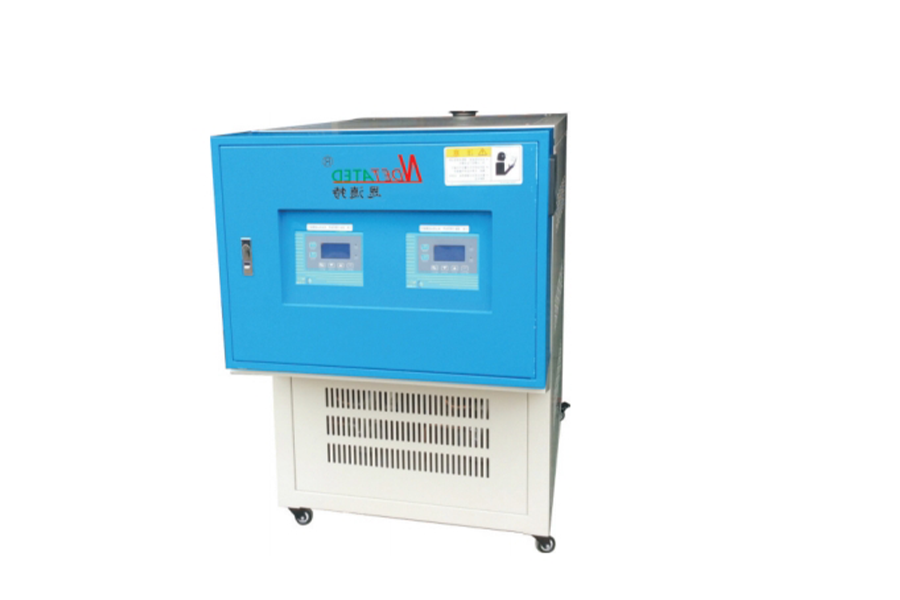
Maximize Your Production Efficiency with Advanced Water/Oil Dual Mold Temperature Controllers
Table of Contents
- 1. Introduction to Water/Oil Dual Mold Temperature Controllers
- 2. Importance of Temperature Control in Manufacturing
- 3. How Water/Oil Dual Mold Temperature Controllers Work
- 4. Key Benefits of Using Dual Mold Temperature Controllers
- 5. Applications of Water/Oil Dual Mold Temperature Controllers
- 6. How to Choose the Right Dual Mold Temperature Controller
- 7. Installation and Maintenance Best Practices
- 8. Conclusion
- 9. FAQs
1. Introduction to Water/Oil Dual Mold Temperature Controllers
In the ever-evolving world of industrial manufacturing, maintaining optimal production efficiency is imperative. **Water/oil dual mold temperature controllers** are essential tools designed to regulate the temperature of molds used in various processes, such as injection molding and die casting. These advanced systems utilize both water and oil to achieve precise temperature control, enhancing the quality of end products while minimizing energy consumption.
2. Importance of Temperature Control in Manufacturing
Temperature control plays a pivotal role in the manufacturing process. Fluctuations in temperature can lead to defects, inconsistent product quality, and increased cycle times. Understanding the importance of maintaining stable temperatures in your operations can significantly impact overall productivity.
2.1 Quality Assurance
Effective temperature control ensures that materials flow evenly and cure correctly, leading to higher product quality and fewer defects. This consistency is vital for industries such as automotive, aerospace, and consumer goods manufacturing.
2.2 Efficiency and Cost Reduction
By optimizing mold temperatures, manufacturers can reduce cycle times. Shorter cycle times translate into increased production rates, ultimately resulting in lower operational costs. Investing in advanced temperature control systems can yield substantial savings over time.
2.3 Compliance with Standards
Many industries are governed by strict quality standards. Maintaining precise control over mold temperatures helps ensure compliance with these regulations, reducing the risk of costly recalls and enhancing brand reputation.
3. How Water/Oil Dual Mold Temperature Controllers Work
Understanding the mechanics behind water/oil dual mold temperature controllers can help you appreciate their value in production environments. These controllers are designed to manage temperature through a closed-loop system utilizing both water and oil, allowing for superior thermal management.
3.1 Dual-Fluid System
The dual-fluid system in these controllers allows for quick heating and cooling cycles. Water is typically used for its excellent heat transfer properties, while oil can provide stable temperatures over longer durations. This combination maximizes efficiency and effectiveness.
3.2 Temperature Sensors and Controllers
Advanced sensors monitor the temperature of the mold in real-time, providing accurate data to the controller. This feedback loop enables automatic adjustments to maintain the desired temperature setpoint, ensuring consistent production conditions.
3.3 User-Friendly Interface
Most modern controllers come equipped with intuitive interfaces that allow operators to set and monitor temperatures easily. Features like programmable settings and remote monitoring capabilities enhance usability, leading to better production oversight.
4. Key Benefits of Using Dual Mold Temperature Controllers
The adoption of advanced water/oil dual mold temperature controllers offers numerous benefits, making them a smart investment for manufacturers.
4.1 Enhanced Process Control
With precise temperature management, manufacturers can fine-tune their processes to achieve optimal results, reducing variability and improving quality.
4.2 Energy Efficiency
These controllers are designed to minimize energy consumption. By optimizing the heating and cooling process, manufacturers can significantly reduce their energy bills.
4.3 Faster Cycle Times
Improved temperature control leads to faster cooling and heating, which in turn shortens cycle times. This efficiency enables manufacturers to increase output without compromising quality.
4.4 Increased Equipment Longevity
By maintaining stable temperatures, dual mold temperature controllers help reduce thermal stress on molds and machinery, promoting longer equipment life and reducing maintenance costs.
4.5 Flexibility in Operations
These systems can be adapted to various production processes, providing manufacturers with the flexibility they need to respond to changing demands.
5. Applications of Water/Oil Dual Mold Temperature Controllers
The versatility of water/oil dual mold temperature controllers makes them suitable for a wide range of applications across multiple industries.
5.1 Injection Molding
In injection molding, maintaining consistent mold temperatures can dramatically improve the quality of the molded parts. Advanced controllers help ensure that materials fill the molds evenly, reducing defects.
5.2 Die Casting
In die casting, precise temperature control is crucial for achieving dimensional accuracy. Dual mold temperature controllers provide the necessary heat management to ensure a high-quality casting process.
5.3 Blow Molding
Blow molding processes benefit from stable temperatures, allowing for uniform wall thickness and improved product durability.
5.4 Thermoforming
In thermoforming, temperature control is vital for achieving the desired material properties. Water/oil dual mold temperature controllers help regulate temperatures throughout the forming process.
6. How to Choose the Right Dual Mold Temperature Controller
Selecting the appropriate water/oil dual mold temperature controller for your manufacturing facility involves several considerations.
6.1 Assess Your Production Needs
Evaluate your specific production requirements, including the types of materials being used and the desired output rates. Understanding these factors will help you select a controller that meets your operational demands.
6.2 Consider Control Features
Look for controllers with advanced features, such as programmable settings, remote monitoring capabilities, and easy integration with existing systems. These features can enhance usability and improve overall efficiency.
6.3 Evaluate Energy Efficiency
Choose controllers that are designed for energy efficiency, as these will not only save costs but also contribute to sustainability initiatives within your organization.
6.4 Seek Expert Recommendations
Consult with experts in the field to gain insights into the best options available. Their experience can guide you in making an informed decision tailored to your specific needs.
7. Installation and Maintenance Best Practices
Proper installation and maintenance of your dual mold temperature controllers are crucial for optimal performance.
7.1 Professional Installation
Engage trained professionals for the installation process to ensure that all components are correctly integrated and fully operational.
7.2 Regular Maintenance Checks
Schedule routine maintenance to monitor the performance of your temperature controllers. This includes checking for wear and tear, recalibrating sensors, and cleaning filters.
7.3 Training for Operators
Ensure that all operators receive adequate training on how to use and maintain the controllers. Familiarity with the system will lead to better performance and efficiency.
8. Conclusion
Incorporating advanced **water/oil dual mold temperature controllers** into your manufacturing processes can significantly enhance production efficiency and product quality. By understanding their workings, benefits, and applications, manufacturers can make informed decisions that drive operational success. As industries continue to evolve, investing in technology that optimizes temperature control will remain a critical aspect of staying competitive.
9. FAQs
9.1 What industries benefit from dual mold temperature controllers?
Various industries, including automotive, aerospace, consumer goods, and packaging, benefit from using dual mold temperature controllers.
9.2 How do dual mold temperature controllers improve product quality?
These controllers maintain stable temperatures during the molding process, ensuring uniform material properties and reducing defects in finished products.
9.3 Are dual mold temperature controllers energy efficient?
Yes, they are designed to optimize heating and cooling cycles, resulting in energy savings and lower operational costs.
9.4 Can I integrate these controllers with existing manufacturing systems?
Most modern dual mold temperature controllers are designed for easy integration with existing manufacturing systems, enhancing overall functionality.
9.5 What maintenance is required for dual mold temperature controllers?
Regular maintenance includes monitoring performance, recalibrating sensors, and keeping components clean to ensure optimal operation.
By adopting advanced water/oil dual mold temperature controllers, manufacturers can streamline production, enhance product quality, and enjoy cost savings, ultimately maximizing their production capabilities.
Hot Tags:
PREVIOUS:
Contact Us
E-mail:
celine@jsntp.com
Phone:
86-18913523538
Address:
Building 3, Wanyang Zhongchuang City, No. 99 Hongfu Road, Libao Town, Hai'an City, Nantong City, Jiangsu Province
Contact Information
Phone: 8618550003508
Add: Building 3, Wanyang Zhongchuang City, No. 99 Hongfu Road, Libao Town, Hai'an City, Nantong City, Jiangsu Province

Request Quote