
Essential Process Cooling Equipment for the Plastic Industry: Enhancing Efficiency and Quality
Aug 31,2026

The plastic industry relies heavily on various manufacturing processes that generate significant heat, making process cooling equipment essential. This equipment plays a vital role in maintaining optimal temperatures during production, which is crucial for achieving high-quality plastic products. Efficient cooling systems not only prevent overheating but also enhance the overall productivity of manufacturing operations.
One of the primary functions of process cooling equipment is to regulate the temperature of machinery and molds used in the production of plastics. When plastic materials are heated to their melting point, they must be carefully cooled to retain the desired shape and properties upon solidification. Any fluctuations in temperature can result in defects such as warping, surface imperfections, and inconsistent material properties. Therefore, investing in reliable cooling solutions helps ensure that plastic components maintain their integrity and performance.
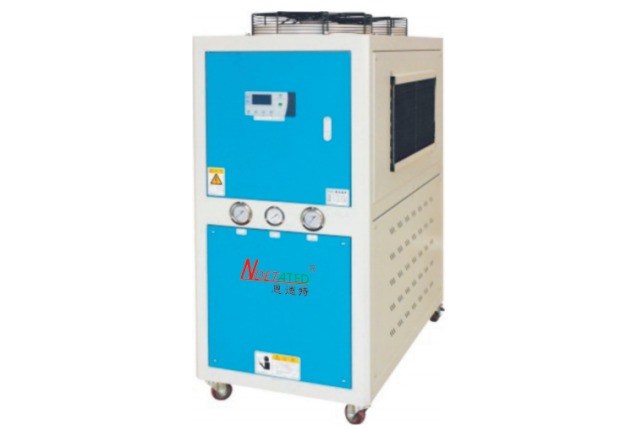
There are several types of process cooling equipment tailored for the plastic industry. Chillers are among the most commonly used systems, effectively removing heat from processes and maintaining the required temperature levels. These chilling systems come in various configurations, including air-cooled and water-cooled options, each offering distinct advantages depending on the specific application and facility requirements.
Another type of cooling equipment is the heat exchanger, which is designed to transfer heat from one medium to another without mixing them. This equipment is highly efficient in applications where precise temperature control is critical. Heat exchangers can be integrated into cooling circuits to enhance overall system performance, ensuring that production processes remain stable and efficient.
In addition to traditional cooling methods, advancements in technology have led to the development of sophisticated controls and monitoring systems. These modern solutions allow for real-time data tracking and adjustments, enabling manufacturers to respond quickly to changes in operational conditions. By optimizing cooling processes, manufacturers can achieve significant reductions in energy consumption, contributing to cost savings and sustainability efforts.
To summarize, process cooling equipment is indispensable in the plastic industry, where temperature management is crucial for product quality and operational efficiency. By utilizing advanced chillers, heat exchangers, and modern monitoring technologies, companies can enhance their production capabilities while minimizing risks associated with overheating. As the industry continues to evolve, investing in state-of-the-art cooling solutions will remain a key factor in achieving competitive advantages and maintaining product excellence.
Hot Tags:
PREVIOUS:
Contact Us
E-mail:
celine@jsntp.com
Phone:
86-18913523538
Address:
Building 3, Wanyang Zhongchuang City, No. 99 Hongfu Road, Libao Town, Hai'an City, Nantong City, Jiangsu Province
Contact Information
Phone: 8618550003508
Add: Building 3, Wanyang Zhongchuang City, No. 99 Hongfu Road, Libao Town, Hai'an City, Nantong City, Jiangsu Province

Request Quote