
Maximizing Efficiency: A Comprehensive Guide to Energy Efficient Air Cooled Chillers
Aug 28,2026
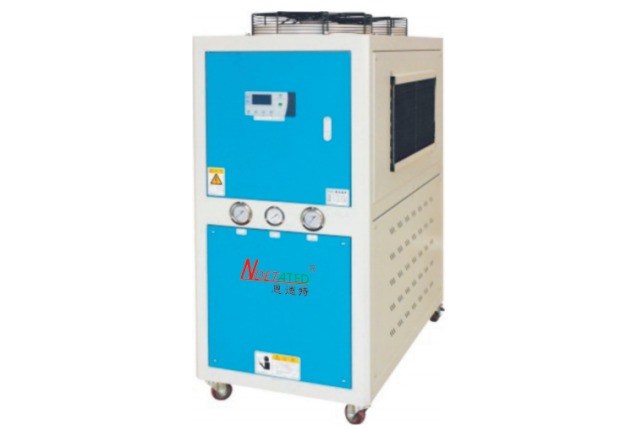
Maximizing Efficiency: A Comprehensive Guide to Energy Efficient Air Cooled Chillers
Table of Contents
- 1. Introduction to Energy Efficient Air Cooled Chillers
- 2. What Are Air Cooled Chillers?
- 3. Benefits of Energy Efficient Air Cooled Chillers
- 4. How Do Air Cooled Chillers Work?
- 5. Enhancing Performance in Energy Efficient Air Cooled Chillers
- 6. Reliability in Cooling Systems: Why It Matters
- 7. Latest Technological Advancements in Air Cooled Chillers
- 8. Installation and Maintenance Tips for Optimal Performance
- 9. Frequently Asked Questions
- 10. Conclusion
1. Introduction to Energy Efficient Air Cooled Chillers
Energy efficiency is at the forefront of industrial innovation, especially within the realm of cooling systems. **Energy efficient air cooled chillers** stand out as pivotal components in industrial applications, providing not only cooling solutions but also contributing to significant reductions in energy consumption and operational costs. This article elucidates the myriad benefits, operational intricacies, and enhancements in performance and reliability linked to modern air cooled chillers.
2. What Are Air Cooled Chillers?
Air cooled chillers are mechanical devices used to remove heat from a water-based cooling system. They work by utilizing ambient air to reject heat, making them an ideal choice for a variety of applications, including commercial buildings, industrial facilities, and process cooling. Unlike water-cooled chillers, which require cooling towers and additional components, air cooled chillers are self-contained units that use fans to pull air over the condenser coils, making them easier to install and maintain.
2.1 Types of Air Cooled Chillers
Air cooled chillers can be categorized into two primary types:
- **Scroll Chillers**: Known for their compact size and quiet operation, scroll chillers are efficient and reliable.
- **Screw Chillers**: These are suitable for larger applications, offering high efficiency and robust performance.
3. Benefits of Energy Efficient Air Cooled Chillers
Investing in energy efficient air cooled chillers presents numerous advantages, including:
3.1 Reduced Energy Consumption
Energy efficient chillers consume less electricity, which translates to lower utility bills. The operational efficiency gains are significant, with many units achieving energy savings of 20-40% compared to traditional systems.
3.2 Environmental Impact
By minimizing energy use, these chillers contribute to reduced greenhouse gas emissions. Choosing energy efficient technologies aligns with global sustainability goals and enhances corporate responsibility.
3.3 Improved Reliability and Longevity
Energy efficient chillers are designed with advanced technology that not only optimizes performance but also extends the lifespan of the unit. Features such as variable speed drives and upgraded components significantly enhance reliability under varying operational demands.
3.4 Lower Maintenance Costs
With fewer mechanical parts and advanced diagnostics, energy efficient chillers often require less frequent maintenance, resulting in reduced service costs and downtime.
4. How Do Air Cooled Chillers Work?
Understanding the operational mechanics of air cooled chillers is essential for optimizing their performance. The main components include:
4.1 Compressor
The compressor circulates refrigerant through the system, increasing its pressure and temperature, allowing it to travel through the coils.
4.2 Condenser Coils
As the hot refrigerant gas passes through the condenser coils, ambient air is drawn over these coils, dissipating heat and converting the refrigerant into a liquid state.
4.3 Expansion Valve
The expansion valve regulates the flow of refrigerant into the evaporator, where it absorbs heat from the water in the system, cooling it down.
4.4 Evaporator
The evaporator is where the cooled water is collected before being circulated through the facility. Here, the refrigerant absorbs heat from the water, evaporating back into a gas state.
5. Enhancing Performance in Energy Efficient Air Cooled Chillers
To maximize the effectiveness of energy efficient air cooled chillers, several strategies can be implemented:
5.1 Regular Maintenance
Scheduled maintenance is crucial for preventing unexpected failures and optimizing efficiency. This includes cleaning condenser coils, checking refrigerant levels, and inspecting electrical components.
5.2 System Optimization
Utilizing advanced control systems like Building Management Systems (BMS) helps in monitoring and adjusting system performance in real-time, enhancing overall efficiency.
5.3 Upgrading Components
Integrating modern components, such as variable frequency drives (VFDs), allows for better control of compressor speeds, adapting to load changes and reducing energy consumption.
5.4 Utilizing Smart Technologies
The adoption of IoT and smart technologies can significantly enhance the performance of chillers by providing data analytics for predictive maintenance and performance monitoring.
6. Reliability in Cooling Systems: Why It Matters
Reliability is a cornerstone of efficiency in cooling systems. The following aspects contribute to the reliability of energy efficient air cooled chillers:
6.1 Quality Components
Investing in high-quality components ensures that the chiller operates efficiently and reduces the likelihood of breakdowns.
6.2 Robust Design
Manufacturers focus on designing chillers that can withstand various operational stresses, ensuring consistent performance even in challenging environments.
6.3 Effective Monitoring Systems
Implementing monitoring systems allows facility managers to detect anomalies and address issues before they escalate, improving overall reliability.
7. Latest Technological Advancements in Air Cooled Chillers
The cooling industry is rapidly evolving, with several technological advancements enhancing the performance and reliability of air cooled chillers:
7.1 Advanced Refrigerants
The transition to low Global Warming Potential (GWP) refrigerants has improved energy efficiency while adhering to environmental regulations.
7.2 Inverter Technology
Inverter-driven compressors allow for precise control of cooling output, adapting to the changing needs of the facility and optimizing energy consumption.
7.3 Predictive Maintenance Technology
Leveraging predictive analytics helps in foreseeing potential issues, allowing for proactive maintenance and reducing downtime.
8. Installation and Maintenance Tips for Optimal Performance
Proper installation and maintenance are vital for maximizing the efficiency and lifespan of energy efficient air cooled chillers:
8.1 Professional Installation
Engaging certified professionals for installation ensures that all components are set up correctly and operate efficiently.
8.2 Annual Inspections
Conducting annual inspections and performance evaluations helps in identifying areas for improvement and maintaining high efficiency.
8.3 Adequate Space and Airflow
Ensuring adequate space around the chiller for airflow and maintenance access is critical for optimal performance.
9. Frequently Asked Questions
9.1 What is the lifespan of an energy efficient air cooled chiller?
Typically, energy efficient air cooled chillers can last between 15 to 20 years, depending on maintenance practices and operational conditions.
9.2 How much can I save by switching to an energy efficient chiller?
Savings can vary, but many users report energy reductions of 20-40%, leading to substantial cost savings over time.
9.3 Are energy efficient chillers more expensive to purchase?
While the initial investment may be higher, the long-term operational savings often offset the upfront costs.
9.4 What maintenance is required for air cooled chillers?
Regular maintenance includes cleaning coils, checking refrigerant levels, and inspecting components to ensure optimal performance.
9.5 How do I know if my chiller is energy efficient?
Look for efficiency ratings such as the Energy Efficiency Ratio (EER) or Coefficient of Performance (COP), which indicate the unit's energy efficiency.
10. Conclusion
Energy efficient air cooled chillers represent a significant advancement in cooling technology, offering remarkable benefits in terms of performance, reliability, and environmental sustainability. By understanding their operational intricacies, embracing technological advancements, and following best practices in maintenance and installation, businesses can maximize their efficiency and achieve substantial cost savings. As industries aim for greater sustainability and lower operational costs, investing in energy efficient air cooled chillers is not just a choice; it is a strategic imperative for a successful future.
Hot Tags:
PREVIOUS:
Contact Us
E-mail:
celine@jsntp.com
Phone:
86-18913523538
Address:
Building 3, Wanyang Zhongchuang City, No. 99 Hongfu Road, Libao Town, Hai'an City, Nantong City, Jiangsu Province
Contact Information
Phone: 8618550003508
Add: Building 3, Wanyang Zhongchuang City, No. 99 Hongfu Road, Libao Town, Hai'an City, Nantong City, Jiangsu Province

Request Quote