
Essential Insights into Process Cooling Equipment for the Plastic Industry
Aug 13,2026

In the plastic industry, maintaining the right temperature during manufacturing processes is paramount to achieving optimal product quality and operational efficiency. Process cooling equipment plays a crucial role in this aspect, offering a range of solutions designed to regulate temperatures during various stages of production.
The primary function of process cooling equipment is to remove excess heat generated during plastic processing, such as injection molding, extrusion, and blow molding. By employing efficient cooling systems, manufacturers can ensure that the plastic materials solidify uniformly, preventing defects and enhancing the overall durability of the final products. This temperature control is essential not only for quality assurance but also for safeguarding machinery from overheating, which can lead to costly downtimes and maintenance.
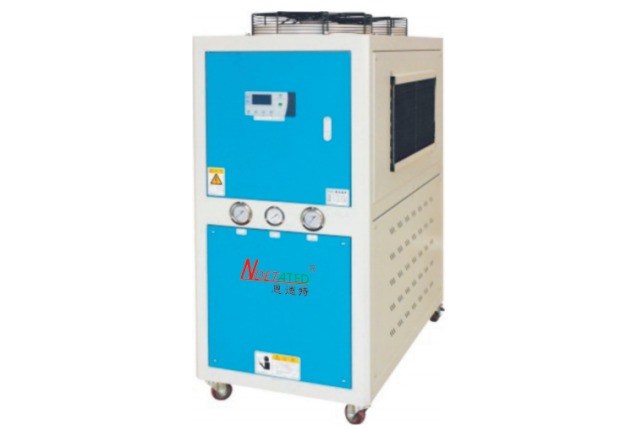
There are several types of process cooling equipment tailored for the plastic industry, including chillers, cooling towers, and heat exchangers. Chillers, for instance, are widely used for their ability to provide precise temperature control through refrigeration cycles. By circulating chilled water or other cooling fluids, they effectively manage temperatures across various machinery and processes. Cooling towers, on the other hand, utilize evaporative cooling techniques to dissipate heat from water used in production, making them ideal for larger operations requiring significant heat management.
Furthermore, heat exchangers are essential components that facilitate heat transfer between different fluids, ensuring that the cooling process is both effective and energy-efficient. By utilizing these systems, plastic manufacturers can achieve a considerable reduction in energy consumption, contributing to a more sustainable production process.
In addition to enhancing product quality and equipment longevity, efficient process cooling solutions can significantly improve the productivity of manufacturing operations. With better temperature management, production runs can be streamlined, leading to reduced cycle times and increased throughput. Moreover, by minimizing the risk of defects and improving the overall reliability of machinery, manufacturers can better meet market demands and enhance customer satisfaction.
Finally, choosing the right process cooling equipment involves considering several factors, including the specific requirements of the production process, the type of plastic materials used, and the operational scale. Consulting with experts in industrial cooling systems can provide valuable insights and help identify the most appropriate solutions for individual manufacturing needs.
In summary, process cooling equipment is indispensable in the plastic industry, providing essential temperature regulation that safeguards product quality, enhances operational efficiency, and promotes sustainability. By investing in the right cooling solutions, manufacturers can ensure that they remain competitive in a rapidly evolving market.
Hot Tags:
Contact Us
E-mail:
celine@jsntp.com
Phone:
86-18913523538
Address:
Building 3, Wanyang Zhongchuang City, No. 99 Hongfu Road, Libao Town, Hai'an City, Nantong City, Jiangsu Province
Contact Information
Phone: 8618550003508
Add: Building 3, Wanyang Zhongchuang City, No. 99 Hongfu Road, Libao Town, Hai'an City, Nantong City, Jiangsu Province

Request Quote