
The Top Features to Look for in Energy Efficient Air Cooled Chillers
Aug 10,2026
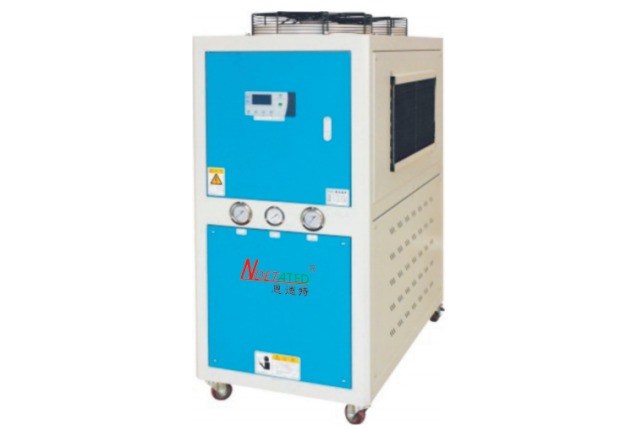
The Top Features to Look for in Energy Efficient Air Cooled Chillers
Table of Contents
- 1. Introduction to Air Cooled Chillers
- 2. Why Energy Efficiency Matters in Chillers
- 3. Key Features to Look for in Energy Efficient Air Cooled Chillers
- 3.1 Advanced Compressor Technology
- 3.2 Innovative Heat Exchanger Design
- 3.3 Variable Speed Drives
- 3.4 Intelligent Control Systems
- 3.5 Eco-Friendly Refrigerants
- 3.6 Ease of Maintenance and Accessibility
- 3.7 Compact Size and Footprint
- 3.8 Low Noise Operation
- 4. Benefits of Energy Efficient Air Cooled Chillers
- 5. Common Applications of Air Cooled Chillers
- 6. Frequently Asked Questions
- 7. Conclusion
1. Introduction to Air Cooled Chillers
Air cooled chillers are critical components in various industrial processes, providing cooling for equipment, products, and spaces. By utilizing ambient air to dissipate heat, these chillers operate without the need for cooling towers, making them a preferred choice for many applications. As businesses increasingly prioritize sustainability and energy efficiency, the demand for air cooled chillers that minimize energy consumption while delivering reliable cooling has surged.
2. Why Energy Efficiency Matters in Chillers
Energy efficiency is more than a trend; it is a necessity in today's industrial landscape. As energy costs rise and environmental regulations tighten, selecting energy efficient air cooled chillers impacts operational budgets and sustainability goals. These chillers can significantly reduce electricity consumption, lower greenhouse gas emissions, and enhance overall system performance. Investing in energy-efficient chillers is not just financially savvy; it is also an essential step towards a greener future.
3. Key Features to Look for in Energy Efficient Air Cooled Chillers
To maximize the benefits of air cooled chillers, it is imperative to consider several key features that contribute to their energy efficiency. Below, we explore the most significant features that should influence your purchasing decision.
3.1 Advanced Compressor Technology
The compressor is the heart of any chiller, and advanced compressor technology can dramatically enhance energy efficiency. Look for models equipped with **scroll or screw compressors**, which offer higher efficiency compared to traditional reciprocating compressors. Additionally, variable speed compressors can adjust their operation based on cooling demand, leading to substantial energy savings.
3.2 Innovative Heat Exchanger Design
Heat exchangers play a crucial role in the chiller's performance. **Enhanced designs**, such as microchannel or shell-and-tube configurations, provide superior heat transfer capabilities. These innovations not only improve efficiency but also reduce the refrigerant charge, contributing to lower environmental impact.
3.3 Variable Speed Drives
Variable speed drives (VSDs) are essential for optimizing chiller performance. By allowing the compressor and fans to operate at varying speeds, VSDs ensure that the system uses only the energy needed to meet the cooling requirements. This adaptability leads to significant energy savings, especially in systems with fluctuating loads.
3.4 Intelligent Control Systems
Modern chillers come equipped with sophisticated control systems that enhance operational efficiency. These controls enable precise monitoring and adjustment of temperature, flow rates, and other critical parameters. **Smart technology**, including IoT connectivity, allows for real-time analysis and optimization, further improving energy efficiency and reliability.
3.5 Eco-Friendly Refrigerants
The choice of refrigerants directly impacts energy efficiency and environmental sustainability. Opt for chillers that utilize **low global warming potential (GWP) refrigerants**, such as R-32 or R-454B. These refrigerants not only comply with regulatory standards but also contribute to improved energy efficiency and reduced carbon footprint.
3.6 Ease of Maintenance and Accessibility
Maintenance plays a vital role in the long-term performance of air cooled chillers. Choose models designed for **easy access to components**, minimizing downtime during service. Features such as removable panels, integrated monitoring tools, and clear maintenance schedules can enhance the overall reliability of your cooling system.
3.7 Compact Size and Footprint
In many industrial settings, space is at a premium. Look for air cooled chillers that feature a **compact design** without sacrificing efficiency. Such chillers can fit into tighter spaces while still delivering robust cooling capabilities, making them ideal for facilities with limited room for equipment.
3.8 Low Noise Operation
Noise can be a significant concern in many applications, especially in environments where quiet operation is essential. When selecting a chiller, consider models that are engineered for **low noise operation**. Features such as sound enclosures, advanced fan designs, and vibration dampening can significantly reduce operational noise, enhancing comfort in the workplace.
4. Benefits of Energy Efficient Air Cooled Chillers
Investing in energy efficient air cooled chillers offers numerous advantages. Firstly, the most apparent benefit is **reduced energy costs**. With improved efficiency, businesses can expect lower electricity bills, leading to substantial savings over time.
Furthermore, these chillers often require less maintenance, resulting in lower operational costs and increased reliability. The use of environmentally friendly refrigerants enhances compliance with regulations, and the reduced carbon footprint contributes to your company’s sustainability goals.
Additionally, energy efficient chillers can improve productivity by providing consistent and reliable cooling, which is essential for maintaining optimal conditions in various industrial processes.
5. Common Applications of Air Cooled Chillers
Air cooled chillers are versatile and find applications in several industries. **Manufacturing** uses these chillers for cooling machinery and process fluids, while the **HVAC** sector relies on them for building climate control. **Food and beverage** industries utilize chillers to maintain product quality during processing, and ** pharmaceuticals** depend on these chillers for precise temperature control in sensitive applications.
In summary, air cooled chillers are integral to various sectors, providing reliable cooling solutions tailored to specific industry needs.
6. Frequently Asked Questions
What is the primary advantage of air cooled chillers compared to water cooled chillers?
Air cooled chillers eliminate the need for cooling towers, making them easier to install and maintain. They are ideal for locations where water availability is limited or where regulations restrict water usage.
How can I determine the right size chiller for my application?
To determine the appropriate size, calculate the cooling load requirements by considering factors such as the heat generated by equipment, ambient temperature, and desired temperature set points.
What maintenance do air cooled chillers require?
Regular maintenance includes checking refrigerant levels, cleaning filters, inspecting electrical connections, and ensuring that fans and compressors operate efficiently.
What factors should I consider when choosing a refrigerant for my chiller?
Consider the refrigerant's environmental impact (GWP), efficiency, compatibility with existing systems, and compliance with local regulations.
How can I improve the efficiency of my existing air cooled chiller?
Regular maintenance, upgrading to variable speed drives, and optimizing control settings can enhance the efficiency of your existing chiller.
7. Conclusion
In the quest for sustainable industrial operations, selecting the right air cooled chiller is paramount. By focusing on energy efficiency features such as advanced compressor technology, innovative heat exchanger design, and intelligent control systems, businesses can significantly enhance performance and reduce environmental impact. The benefits extend beyond cost savings to include improved reliability and compliance with regulations, making energy efficient air cooled chillers an essential investment for any modern industrial facility. Prioritizing these features will ensure that your cooling solutions not only meet today's demands but also contribute to a more sustainable future.
Hot Tags:
Contact Us
E-mail:
celine@jsntp.com
Phone:
86-18913523538
Address:
Building 3, Wanyang Zhongchuang City, No. 99 Hongfu Road, Libao Town, Hai'an City, Nantong City, Jiangsu Province
Contact Information
Phone: 8618550003508
Add: Building 3, Wanyang Zhongchuang City, No. 99 Hongfu Road, Libao Town, Hai'an City, Nantong City, Jiangsu Province

Request Quote