
Troubleshooting Common Issues with Water/Oil Dual Mold Temperature Controllers: A Comprehensive Guide
Aug 16,2026
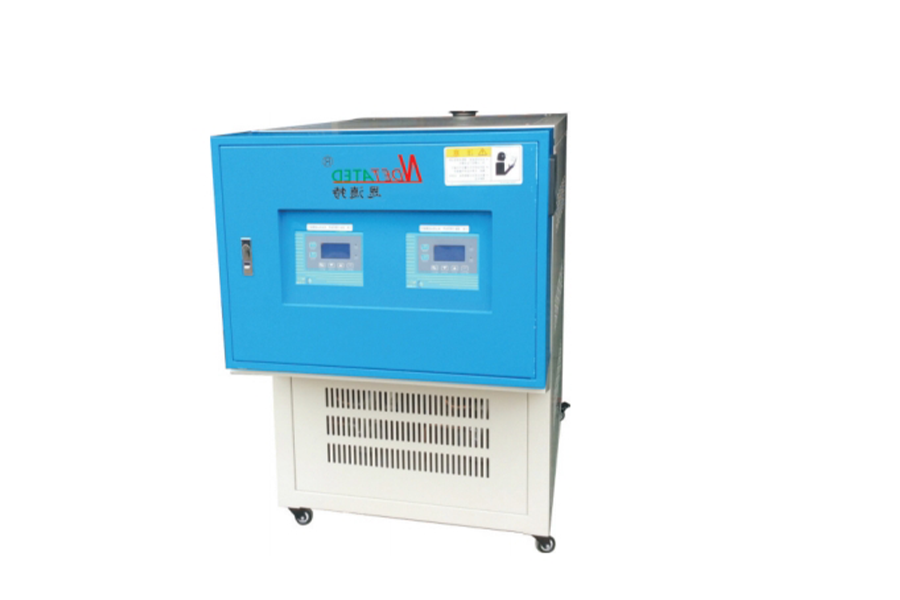
Troubleshooting Common Issues with Water/Oil Dual Mold Temperature Controllers
Introduction to Water/Oil Dual Mold Temperature Controllers
Water/oil dual mold temperature controllers play a crucial role in the functionality of various industrial processes, particularly in the molding industry. These devices are essential for maintaining precise temperature control, ensuring quality and efficiency in production. However, like any sophisticated machinery, they can encounter issues that may hinder their performance. This guide provides a comprehensive approach to troubleshooting common problems associated with water/oil dual mold temperature controllers, helping you diagnose and resolve issues effectively.
Understanding the Importance of Temperature Control
Temperature control is vital in manufacturing processes such as injection molding and die casting. Proper temperature maintenance ensures that materials solidify evenly and prevents defects in the final product. Water/oil dual mold temperature controllers offer several advantages, including:
- **Enhanced Thermal Efficiency**: They provide quick heating and cooling capabilities.
- **Reduced Cycle Times**: Optimal temperature management leads to faster production cycles.
- **Improved Product Quality**: Consistent temperature ensures uniformity in the final product.
With these benefits in mind, it's essential to address any issues that may arise to keep operations running smoothly.
Common Problems with Water/Oil Dual Mold Temperature Controllers
While water/oil dual mold temperature controllers are generally reliable, they can experience several common issues. Understanding these problems is the first step toward effective troubleshooting.
1. Inconsistent Temperature Readings
One of the most common issues users face is inconsistent temperature readings. This can lead to over or under-heating of molds, resulting in product defects.
Causes of Inconsistent Temperature Readings
- **Faulty Sensors**: Temperature sensors may become worn or damaged, leading to inaccurate readings.
- **Air Trapped in the System**: Air pockets can form in the cooling channels, affecting temperature distribution.
- **Poor Calibration**: If the device is not calibrated correctly, it may not provide accurate temperature data.
Troubleshooting Steps
- **Inspect and Replace Sensors**: Ensure that temperature sensors are functioning correctly and replace them if necessary.
- **Bleed the System**: Regularly check for air pockets and bleed the system to remove trapped air.
- **Recalibrate the Controller**: Follow the manufacturer's instructions to recalibrate the device for accurate readings.
2. Overheating Issues
Overheating is another common problem that can lead to severe consequences, including equipment damage and production delays.
Identifying Overheating Problems
- **High Output Temperatures**: Monitoring the output temperature can help identify if the mold is overheating.
- **Frequent Alarms**: Many controllers come equipped with alarm systems that notify users of overheating.
Possible Causes of Overheating
- **Insufficient Cooling Supply**: A blockage in the cooling circuit may prevent adequate cooling.
- **Electrical Issues**: Faulty wiring or malfunctioning components can cause the heating elements to work excessively.
- **Improper Settings**: Incorrect temperature settings may inadvertently lead to overheating.
Troubleshooting Steps
- **Check Cooling Circuits**: Inspect for blockages or leaks in the cooling system.
- **Examine Electrical Wiring**: Ensure all connections are secure and that components are functioning correctly.
- **Adjust Temperature Settings**: Review and adjust the controller settings according to operational requirements.
3. Erratic Controller Behavior
Erratic behavior of the temperature controller can lead to unpredictable outcomes during production.
Symptoms of Erratic Behavior
- **Fluctuating Temperature Readings**: Rapid changes in temperature readings can indicate malfunction.
- **Random Shutdowns**: The controller may shut down unexpectedly, interrupting production.
Potential Causes
- **Software Glitches**: Firmware may require updates or reset.
- **Electrical Interference**: Nearby equipment may cause electromagnetic interference.
Troubleshooting Steps
- **Update Software**: Check for updates to the firmware and install them as instructed.
- **Isolate Electrical Sources**: Move the controller away from sources of electromagnetic interference.
Preventative Maintenance for Dual Mold Temperature Controllers
Preventative maintenance is key to minimizing issues with water/oil dual mold temperature controllers. Implementing a regular maintenance schedule can help identify and address problems before they escalate.
Regular Inspection and Cleaning
Maintaining cleanliness and performing regular inspections can significantly enhance the lifespan and efficiency of the temperature controller.
Steps for Effective Cleaning
- **Power Down the System**: Ensure the system is turned off and cooled before cleaning.
- **Use Appropriate Cleaning Agents**: Employ non-corrosive cleaning solutions for the exterior and accessible components.
Routine Calibration Checks
Consistently calibrating the temperature controller is crucial to ensure accurate temperature readings.
Calibration Procedure
- **Follow Manufacturer Instructions**: Adhere to the specific calibration guidelines provided by the manufacturer.
- **Document Calibration Results**: Keep a log of calibration dates and results for future reference.
When to Seek Professional Help
While many issues can be resolved with basic troubleshooting, some situations may require professional assistance. Recognizing when to seek help can save time and prevent further damage.
Signs That Professional Help is Needed
- **Persistent Problems**: If issues persist despite troubleshooting efforts.
- **Complex Electrical Issues**: Any signs of electrical malfunction should be handled by qualified technicians.
- **Damaged Components**: If you notice physical damage to any components, it’s best to consult a professional.
Frequently Asked Questions (FAQs)
1. How often should I perform maintenance on my temperature controller?
To maintain optimal performance, conduct maintenance checks every three to six months, depending on usage.
2. What should I do if the temperature controller doesn’t respond?
Check the power supply, inspect the wiring, and ensure that the controller is properly calibrated.
3. Can I use a water/oil dual mold temperature controller for different molds?
Yes, but ensure that the temperature requirements for each mold are compatible with the controller settings.
4. How do I know if my temperature sensors need replacement?
If you experience inconsistent temperature readings or frequent alarms, it may be time to replace the sensors.
5. What is the best way to bleed air from the cooling system?
Locate the bleed valves on the cooling system, open them slowly, and allow trapped air to escape until a steady flow of liquid is observed.
Conclusion
In conclusion, troubleshooting common issues with water/oil dual mold temperature controllers is essential for maintaining efficiency and quality in industrial processes. By understanding the potential problems and following our comprehensive troubleshooting steps, you can ensure optimal performance and minimize downtime. Regular maintenance, proper calibration, and prompt attention to any irregularities can significantly extend the life of your temperature controllers. Embrace these strategies to enhance your operational success and maintain the high standards required in mold temperature management.
Contact Us
E-mail:
celine@jsntp.com
Phone:
86-18913523538
Address:
Building 3, Wanyang Zhongchuang City, No. 99 Hongfu Road, Libao Town, Hai'an City, Nantong City, Jiangsu Province
Contact Information
Phone: 8618550003508
Add: Building 3, Wanyang Zhongchuang City, No. 99 Hongfu Road, Libao Town, Hai'an City, Nantong City, Jiangsu Province

Request Quote