
Maximizing Efficiency in Oil Heating Mold Temperature Units for Industrial Applications
Aug 01,2026
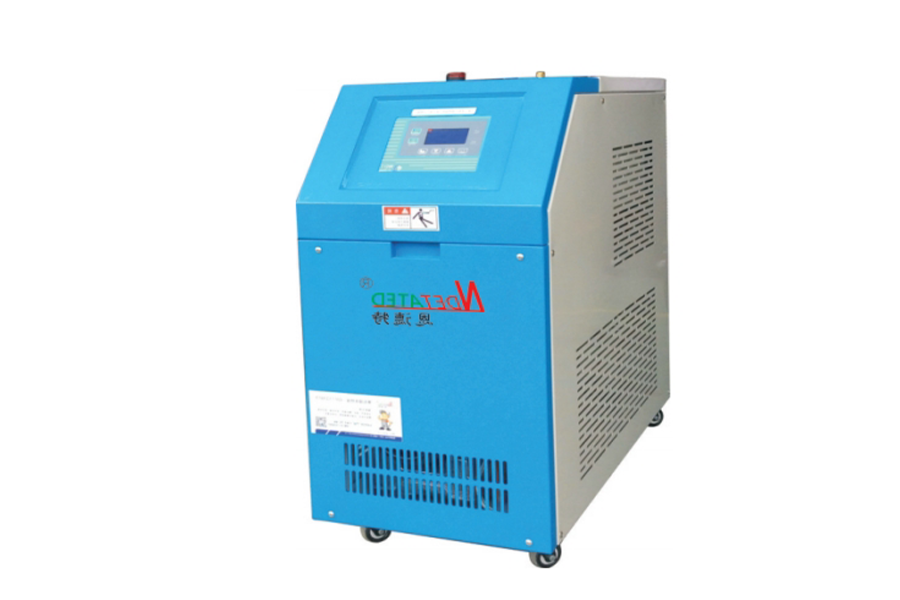
In the realm of industrial equipment, particularly in the heat transfer segment, oil heating mold temperature units play a crucial role in ensuring optimal processing conditions. These units serve as vital components in various applications, particularly in the plastics and rubber industries, where precise temperature control is essential for product quality and consistency.
Oil heating mold temperature units utilize thermal oil as a heat transfer medium, which is circulated through the mold to maintain a constant temperature. This method offers several advantages over traditional water-based systems, including higher operational temperatures and better thermal stability. The ability to maintain precise temperature control is vital for the molding process, as it helps prevent defects and ensures uniform hardening of materials.
One of the key features of oil heating mold temperature units is their efficiency. These units are designed to heat up quickly and maintain desired temperatures with minimal energy consumption. The thermal oil used can often withstand higher temperatures than water, allowing for a wider operating range. This adaptability is particularly beneficial for manufacturers who require specific temperature profiles for different materials or processes.
Moreover, the design of oil heating mold temperature units often incorporates advanced control systems. These systems enable operators to monitor and adjust temperatures in real-time, ensuring that molds are consistently heated to the optimal temperature throughout the production cycle. Such precise control not only enhances the quality of the final product but also minimizes energy waste, contributing to more sustainable manufacturing practices.
Maintenance is another critical aspect of oil heating mold temperature units. Regular inspections and proper maintenance protocols can prolong the lifespan of the unit and prevent unexpected downtime. Operators should be trained to recognize signs of wear or inefficiency, allowing for timely interventions that can keep production on track.
In summary, oil heating mold temperature units are indispensable in modern industrial applications, enhancing process efficiency and product quality. By understanding their operation, advantages, and maintenance requirements, professionals in the field can leverage these systems to optimize their production processes. Investing in high-quality oil heating mold temperature units can lead to significant improvements in both productivity and sustainability, ultimately benefiting the bottom line in competitive industrial environments.
Oil heating mold temperature units utilize thermal oil as a heat transfer medium, which is circulated through the mold to maintain a constant temperature. This method offers several advantages over traditional water-based systems, including higher operational temperatures and better thermal stability. The ability to maintain precise temperature control is vital for the molding process, as it helps prevent defects and ensures uniform hardening of materials.
One of the key features of oil heating mold temperature units is their efficiency. These units are designed to heat up quickly and maintain desired temperatures with minimal energy consumption. The thermal oil used can often withstand higher temperatures than water, allowing for a wider operating range. This adaptability is particularly beneficial for manufacturers who require specific temperature profiles for different materials or processes.
Moreover, the design of oil heating mold temperature units often incorporates advanced control systems. These systems enable operators to monitor and adjust temperatures in real-time, ensuring that molds are consistently heated to the optimal temperature throughout the production cycle. Such precise control not only enhances the quality of the final product but also minimizes energy waste, contributing to more sustainable manufacturing practices.
Maintenance is another critical aspect of oil heating mold temperature units. Regular inspections and proper maintenance protocols can prolong the lifespan of the unit and prevent unexpected downtime. Operators should be trained to recognize signs of wear or inefficiency, allowing for timely interventions that can keep production on track.
In summary, oil heating mold temperature units are indispensable in modern industrial applications, enhancing process efficiency and product quality. By understanding their operation, advantages, and maintenance requirements, professionals in the field can leverage these systems to optimize their production processes. Investing in high-quality oil heating mold temperature units can lead to significant improvements in both productivity and sustainability, ultimately benefiting the bottom line in competitive industrial environments.
Hot Tags:
Contact Us
E-mail:
celine@jsntp.com
Phone:
86-18913523538
Address:
Building 3, Wanyang Zhongchuang City, No. 99 Hongfu Road, Libao Town, Hai'an City, Nantong City, Jiangsu Province
Contact Information
Phone: 8618550003508
Add: Building 3, Wanyang Zhongchuang City, No. 99 Hongfu Road, Libao Town, Hai'an City, Nantong City, Jiangsu Province

Request Quote