
Water/Oil Dual Mold Temperature Controllers: A Game Changer for Industrial Processes
Jul 29,2026
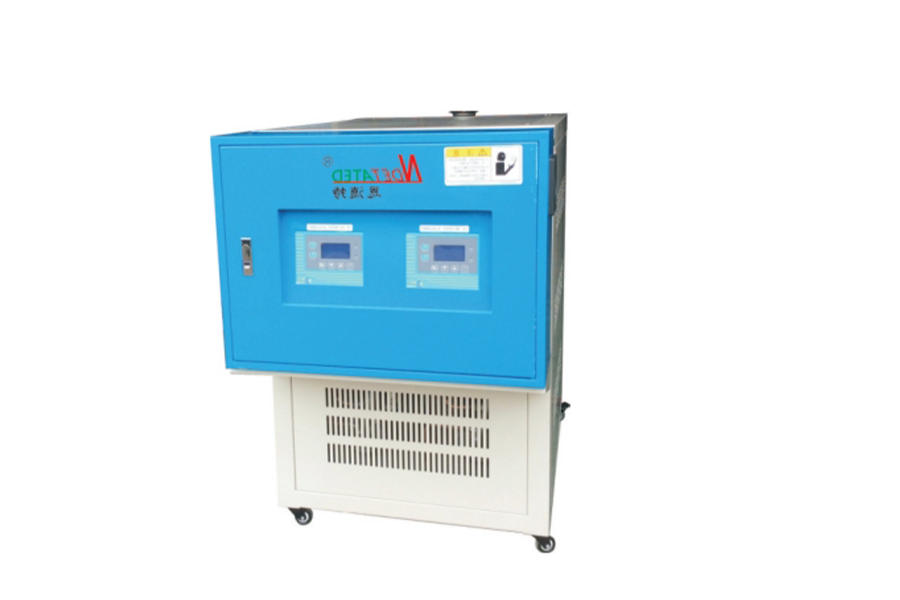
Water/Oil Dual Mold Temperature Controllers: A Game Changer for Industrial Processes
Table of Contents
1. Introduction to Dual Mold Temperature Controllers
2. Understanding the Technology Behind Dual Mold Temperature Controllers
3. Key Benefits of Water/Oil Dual Mold Temperature Controllers
3.1 Enhanced Temperature Control for Optimal Results
3.2 Energy Efficiency and Cost Savings
3.3 Versatility Across Various Industries
4. Applications in Industrial Processes
4.1 Injection Molding
4.2 Blow Molding
4.3 Extrusion Processes
5. Choosing the Right Dual Mold Temperature Controller for Your Needs
5.1 Factors to Consider
5.2 Top Brands and Models in the Market
6. Maintenance and Troubleshooting Tips
7. Future Trends in Mold Temperature Control Technology
8. Frequently Asked Questions (FAQs)
9. Conclusion
1. Introduction to Dual Mold Temperature Controllers
Water/Oil Dual Mold Temperature Controllers represent a significant advancement in the realm of industrial equipment. They combine the benefits of water and oil-based temperature control systems, providing manufacturers with enhanced capabilities in maintaining optimal temperatures during production processes. This technology is particularly crucial in industries like plastics, automotive, and packaging, where precise temperature management can directly affect product quality and efficiency.
2. Understanding the Technology Behind Dual Mold Temperature Controllers
At the core of Water/Oil Dual Mold Temperature Controllers lies a sophisticated system of pumps, heat exchangers, and temperature sensors. By utilizing both water and oil, these controllers can rapidly respond to temperature fluctuations, ensuring that molds are kept at the desired temperature throughout the entire manufacturing cycle. The dual-system approach allows for a wider range of temperature control, making these controllers suitable for various applications.
3. Key Benefits of Water/Oil Dual Mold Temperature Controllers
3.1 Enhanced Temperature Control for Optimal Results
One of the most significant advantages of dual mold temperature controllers is their ability to maintain consistent temperatures. This stability is essential for achieving high-quality products, particularly in processes like injection molding, where temperature variations can lead to defects such as warping or uneven surfaces.
3.2 Energy Efficiency and Cost Savings
The dual capability of these controllers often results in improved energy efficiency. By optimizing temperature management, manufacturers can reduce energy consumption, leading to lower operational costs. Additionally, the enhanced quality of the products produced can lead to decreased waste and higher profitability.
3.3 Versatility Across Various Industries
Water/Oil Dual Mold Temperature Controllers are not limited to a single industry. Their versatility makes them applicable in numerous fields, including plastics manufacturing, food processing, and pharmaceuticals. This wide range of applications showcases their importance in modern industrial processes.
4. Applications in Industrial Processes
Understanding where and how to implement Water/Oil Dual Mold Temperature Controllers can optimize production efficiency across various sectors.
4.1 Injection Molding
In injection molding, maintaining the correct temperature is vital for ensuring proper material flow and mold filling. Dual temperature controllers help achieve the precise thermal conditions required for different polymers, enhancing product quality and reducing cycle times.
4.2 Blow Molding
Blow molding processes, particularly in the production of bottles and containers, benefit significantly from dual temperature control. By providing uniform heating and cooling, these controllers help ensure that the final products maintain structural integrity and clarity.
4.3 Extrusion Processes
In extrusion, maintaining a consistent temperature is crucial for achieving the desired product dimensions and properties. Dual mold temperature controllers enable manufacturers to fine-tune temperature profiles throughout the extrusion process, ensuring optimal results.
5. Choosing the Right Dual Mold Temperature Controller for Your Needs
5.1 Factors to Consider
When selecting a Water/Oil Dual Mold Temperature Controller, several factors must be taken into account. These include the specific temperature range required, the size and type of molds being used, and the production volume. Understanding these parameters will help in selecting the most suitable controller for your operations.
5.2 Top Brands and Models in the Market
Numerous manufacturers offer high-quality Water/Oil Dual Mold Temperature Controllers. Brands like **MoldMaster**, **SST**, and **Thermoline** stand out for their innovative technologies and reliability. Conducting thorough market research and reading customer reviews will help you make an informed decision.
6. Maintenance and Troubleshooting Tips
Proper maintenance of Water/Oil Dual Mold Temperature Controllers is essential for ensuring longevity and reliability. Regularly check for leaks, monitor the performance of pumps and sensors, and keep the system clean from buildup or debris. Troubleshooting common issues, such as temperature inconsistencies or system alerts, can often be managed by consulting the user manual or contacting the manufacturer’s support.
7. Future Trends in Mold Temperature Control Technology
The landscape of mold temperature control technology is constantly evolving. Future trends are likely to focus on enhanced automation, integration with Industry 4.0 technologies, and the development of more energy-efficient systems. Additionally, as sustainability becomes increasingly vital, there will be a push towards eco-friendly refrigerants and heat transfer fluids.
8. Frequently Asked Questions (FAQs)
What is a dual mold temperature controller?
A dual mold temperature controller is a device that regulates the temperature of molds during industrial processes using both water and oil, providing enhanced temperature control and efficiency.
How do dual mold temperature controllers benefit manufacturing processes?
They improve product quality, reduce cycle times, and enhance energy efficiency, ultimately leading to cost savings.
In what industries are these controllers commonly used?
Common industries include plastics manufacturing, food processing, pharmaceuticals, and automotive production.
What factors should I consider when choosing a dual mold temperature controller?
Consider the required temperature range, mold types, production volume, and specific industry needs when selecting a controller.
How can I maintain my dual mold temperature controller?
Regular maintenance includes checking for leaks, monitoring pump performance, and keeping the system clean from obstructions or debris.
9. Conclusion
Water/Oil Dual Mold Temperature Controllers are undeniably a game changer for industrial processes. Their ability to provide enhanced temperature management, energy efficiency, and versatility across various applications makes them an essential component in modern manufacturing. As industries continue to evolve, investing in these innovative technologies will pave the way for improved product quality and operational efficiency, ensuring that businesses stay competitive in a rapidly changing market. Embracing this technology not only addresses current challenges but also prepares manufacturers for future demands.
Hot Tags:
Contact Us
E-mail:
celine@jsntp.com
Phone:
86-18913523538
Address:
Building 3, Wanyang Zhongchuang City, No. 99 Hongfu Road, Libao Town, Hai'an City, Nantong City, Jiangsu Province
Contact Information
Phone: 8618550003508
Add: Building 3, Wanyang Zhongchuang City, No. 99 Hongfu Road, Libao Town, Hai'an City, Nantong City, Jiangsu Province

Request Quote