
Enhancing Efficiency: The Role of Process Cooling Equipment in the Plastic Industry
Jul 26,2026

In the plastic industry, the manufacturing process involves various stages that require precise temperature control to ensure optimal product quality and efficiency. Process cooling equipment is essential in this context, serving as a critical component that helps manage heat generated during production. Whether it's injection molding, extrusion, or blow molding, the right cooling system can significantly impact the overall performance of plastic manufacturing processes.
Process cooling equipment for the plastic industry is designed to remove excess heat from machinery and materials, thereby preventing overheating and ensuring consistent processing temperatures. Without effective cooling solutions, issues such as warping, shrinkage, and surface defects can occur, negatively affecting the quality of the final product. This is where industrial chillers, cooling towers, and heat exchangers come into play.
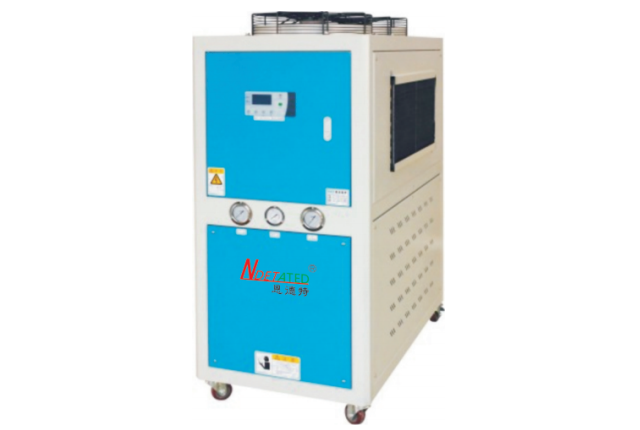
Industrial chillers are a common type of process cooling equipment used in the plastic sector. They provide a reliable source of chilled water that circulates through the machinery to absorb heat. By maintaining a stable temperature, chillers help enhance the precision of the molding process, leading to better dimensional accuracy and surface finish. Additionally, they contribute to energy efficiency by optimizing the cooling cycle, which can result in reduced operational costs over time.
Cooling towers, on the other hand, are often utilized in larger plastic production facilities, where they work in conjunction with chillers to dissipate heat into the atmosphere. By using evaporative cooling, these systems efficiently manage the temperature of circulating water, ensuring that the machinery operates within the desired temperature range. This is particularly important during peak production periods when heat loads can be significant.
Heat exchangers are also vital in the plastic industry, facilitating heat transfer between different process streams. They are commonly used in conjunction with chillers and cooling towers to enhance overall cooling efficiency. By maximizing heat transfer while minimizing energy consumption, heat exchangers help maintain optimal operating conditions in various production processes.
In summary, process cooling equipment for the plastic industry is indispensable for maintaining product quality and enhancing operational efficiency. By investing in the right cooling solutions, manufacturers can mitigate potential quality issues and optimize their production processes. As the industry continues to evolve, the importance of effective cooling systems will only grow, making them a key consideration for professionals seeking to improve their manufacturing capabilities. Understanding the role of these systems can lead to better decision-making and ultimately a more successful operation in the competitive landscape of plastic manufacturing.
Process cooling equipment for the plastic industry is designed to remove excess heat from machinery and materials, thereby preventing overheating and ensuring consistent processing temperatures. Without effective cooling solutions, issues such as warping, shrinkage, and surface defects can occur, negatively affecting the quality of the final product. This is where industrial chillers, cooling towers, and heat exchangers come into play.
Industrial chillers are a common type of process cooling equipment used in the plastic sector. They provide a reliable source of chilled water that circulates through the machinery to absorb heat. By maintaining a stable temperature, chillers help enhance the precision of the molding process, leading to better dimensional accuracy and surface finish. Additionally, they contribute to energy efficiency by optimizing the cooling cycle, which can result in reduced operational costs over time.
Cooling towers, on the other hand, are often utilized in larger plastic production facilities, where they work in conjunction with chillers to dissipate heat into the atmosphere. By using evaporative cooling, these systems efficiently manage the temperature of circulating water, ensuring that the machinery operates within the desired temperature range. This is particularly important during peak production periods when heat loads can be significant.
Heat exchangers are also vital in the plastic industry, facilitating heat transfer between different process streams. They are commonly used in conjunction with chillers and cooling towers to enhance overall cooling efficiency. By maximizing heat transfer while minimizing energy consumption, heat exchangers help maintain optimal operating conditions in various production processes.
In summary, process cooling equipment for the plastic industry is indispensable for maintaining product quality and enhancing operational efficiency. By investing in the right cooling solutions, manufacturers can mitigate potential quality issues and optimize their production processes. As the industry continues to evolve, the importance of effective cooling systems will only grow, making them a key consideration for professionals seeking to improve their manufacturing capabilities. Understanding the role of these systems can lead to better decision-making and ultimately a more successful operation in the competitive landscape of plastic manufacturing.
Hot Tags:
Contact Us
E-mail:
celine@jsntp.com
Phone:
86-18913523538
Address:
Building 3, Wanyang Zhongchuang City, No. 99 Hongfu Road, Libao Town, Hai'an City, Nantong City, Jiangsu Province
Contact Information
Phone: 8618550003508
Add: Building 3, Wanyang Zhongchuang City, No. 99 Hongfu Road, Libao Town, Hai'an City, Nantong City, Jiangsu Province

Request Quote