
Investing in Energy Efficient Air Cooled Chillers: Essential Insights for Smart Decisions
Jul 23,2026
Investing in Energy Efficient Air Cooled Chillers: Essential Insights for Smart Decisions
Table of Contents
- Understanding Air Cooled Chillers
- Benefits of Energy Efficient Chillers
- Technology Behind Energy Efficient Chillers
- Key Factors to Consider When Investing
- Cost Analysis and Investment Return
- Environmental Impact and Sustainability
- Maintenance and Operation Efficiency
- Frequently Asked Questions
- Conclusion
Understanding Air Cooled Chillers
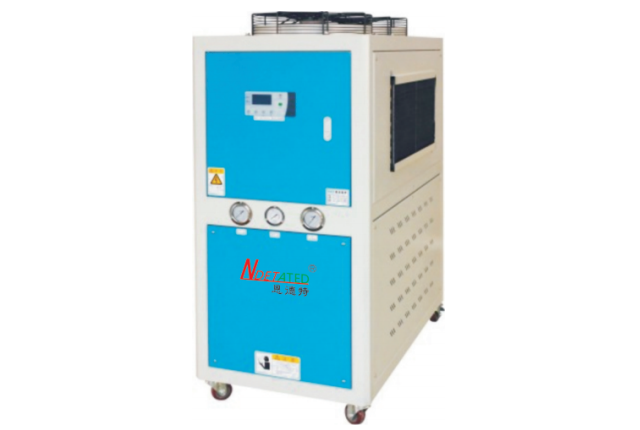
Air-cooled chillers stand as pivotal components in various industrial and commercial applications, designed to dissipate heat into the atmosphere efficiently. They utilize air as the primary cooling medium, making them particularly advantageous in areas lacking water resources or where water use is restricted. These chillers come equipped with compressors, condensers, evaporators, and expansion devices, functioning harmoniously to maintain temperature control in manufacturing processes, HVAC systems, and refrigeration units.
The Role of Air Cooled Chillers in Industrial Applications
In today’s industry, maintaining optimal temperatures is crucial. Air-cooled chillers are integral to processes such as chemical manufacturing, food processing, and data center cooling, ensuring operational stability and product quality. Their adaptability and efficiency make them a favored choice across various sectors.
Comparative Analysis: Air Cooled vs. Water Cooled Chillers
While both air-cooled and water-cooled chillers serve similar purposes, they differ significantly in their operation. Water-cooled chillers typically offer higher efficiency and are more suitable for large-scale operations requiring massive cooling loads. Conversely, air-cooled chillers excel in smaller settings, are easier to install, and demand less maintenance, making them ideal for facilities with limited space or lower cooling needs.
Benefits of Energy Efficient Chillers
Investing in energy-efficient air-cooled chillers presents numerous benefits, not only enhancing operational performance but also contributing positively to the bottom line.
Cost Savings on Energy Bills
One of the most compelling reasons to opt for energy-efficient models is the potential for substantial savings on energy bills. These chillers consume less energy due to advanced technology and improved design, leading to lower operational costs over time.
Enhanced Reliability and Performance
Energy-efficient chillers often incorporate cutting-edge technology that enhances durability and reliability. With fewer breakdowns and maintenance issues, businesses can enjoy uninterrupted operations and increased productivity.
Compliance with Environmental Regulations
As industries face increasing pressure to comply with environmental regulations, investing in energy-efficient equipment becomes essential. These chillers help reduce carbon footprints and align with sustainability goals.
Technology Behind Energy Efficient Chillers
Understanding the technology that powers energy-efficient air-cooled chillers is key to grasping their advantages.
Variable Speed Drives (VSD)
Variable Speed Drives enable chillers to adjust their operational speeds according to cooling demands, resulting in remarkable energy savings. This technology allows for a smoother operation, reducing wear and tear on components.
Advanced Refrigerants
Modern chillers utilize advanced refrigerants with lower global warming potential (GWP), contributing to environmentally friendly operations. The choice of refrigerant can significantly impact both the energy efficiency and environmental impact of the system.
Microchannel Condensing Coils
Microchannel technology in condensing coils enhances heat exchange efficiency, enabling chillers to operate effectively at lower energy levels. This innovation not only improves efficiency but also reduces the overall size and weight of the units.
Key Factors to Consider When Investing
When contemplating an investment in energy-efficient air-cooled chillers, several factors merit consideration to ensure a wise purchase.
Cooling Requirements and System Size
Assessing cooling requirements is paramount. An oversized chiller can lead to inefficiencies and increased operational costs, while an undersized unit may fail to meet cooling demands. Proper sizing ensures optimal performance and efficiency.
Initial Costs vs. Long-Term Benefits
While the initial investment for energy-efficient models may be higher, the long-term benefits such as reduced energy costs and lower maintenance expenses can surpass the initial expenditure, making it a financially sound decision.
Manufacturer Reputation and Support
Choosing a reputable manufacturer with a proven track record in producing reliable chillers can significantly influence your investment's success. Consider the availability of service support, warranties, and customer reviews when making your selection.
Cost Analysis and Investment Return
Conducting a thorough cost analysis is crucial in evaluating the return on investment (ROI) for energy-efficient chillers.
Calculating Energy Savings
Utilizing energy calculators can help predict potential savings based on energy rates, operational hours, and efficiency ratings. Comparing these savings against initial costs provides a clear picture of ROI.
Maintenance Expenses
Energy-efficient chillers often require less maintenance, resulting in lower long-term expenses. Evaluate the maintenance schedule and costs associated with different models to gauge overall investment viability.
Payback Period
Determining the payback period—the time it takes for energy savings to offset the initial investment—is essential. A shorter payback period typically signifies a more favorable investment.
Environmental Impact and Sustainability
Investing in energy-efficient air-cooled chillers aligns with sustainability efforts and has a positive environmental impact.
Reducing Carbon Footprint
By consuming less energy, energy-efficient chillers contribute to reduced greenhouse gas emissions, addressing both environmental concerns and regulatory requirements.
Supporting Green Building Initiatives
Many businesses are pursuing green building certifications. Investing in energy-efficient chillers can help facilities meet LEED (Leadership in Energy and Environmental Design) requirements, showcasing a commitment to sustainability.
Water Conservation
Air-cooled chillers eliminate the need for water cooling towers, conserving valuable water resources and reducing operational costs associated with water use.
Maintenance and Operation Efficiency
Understanding the maintenance requirements of energy-efficient chillers is crucial for long-term operational success.
Routine Maintenance Practices
Implementing a routine maintenance schedule can significantly extend the lifespan of chillers. Regular inspections, cleaning, and maintenance of components are essential to ensure optimal performance.
Monitoring System Performance
Utilizing advanced monitoring systems allows for real-time performance tracking of air-cooled chillers. This proactive approach enables facility managers to identify issues early, preventing costly repairs and downtime.
Training Staff for Efficient Operations
Ensuring that staff are trained in the operation and maintenance of chillers can lead to improved efficiency and reduced operational risks. Knowledgeable staff can identify potential problems before they escalate.
Frequently Asked Questions
What is the lifespan of an energy-efficient air-cooled chiller?
Typically, energy-efficient air-cooled chillers have a lifespan of 15 to 20 years, with proper maintenance ensuring maximum longevity.
How do I determine the right size chiller for my application?
Assess your cooling load requirements, considering factors like the size of the space, the type of equipment used, and peak cooling demands to determine the appropriate chiller size.
Are energy-efficient chillers more expensive than traditional models?
Yes, energy-efficient chillers generally have higher upfront costs but offer significant long-term savings through reduced energy consumption and lower operating costs.
Can I retrofit my existing system with energy-efficient components?
In many cases, it is possible to retrofit existing chillers with energy-efficient components. Consulting with a professional can help determine the best approach for your system.
What maintenance is required for air-cooled chillers?
Routine maintenance practices include cleaning filters, checking refrigerant levels, inspecting electrical components, and ensuring optimal airflow around the unit.
Conclusion
Investing in energy-efficient air-cooled chillers is a strategic decision that yields numerous benefits, from cost savings and enhanced performance to contributing positively towards environmental sustainability. By understanding the technology, considering key investment factors, and implementing effective maintenance practices, businesses can maximize their investment and ensure operational efficiency. Embracing energy efficiency not only enhances productivity but also aligns with broader industry trends towards sustainability and responsible resource management.
Hot Tags:
Contact Us
E-mail:
celine@jsntp.com
Phone:
86-18913523538
Address:
Building 3, Wanyang Zhongchuang City, No. 99 Hongfu Road, Libao Town, Hai'an City, Nantong City, Jiangsu Province
Contact Information
Phone: 8618550003508
Add: Building 3, Wanyang Zhongchuang City, No. 99 Hongfu Road, Libao Town, Hai'an City, Nantong City, Jiangsu Province

Request Quote