
Understanding the Benefits of Compact Mold Temperature Controller Units in Industrial Cooling
Jul 20,2026
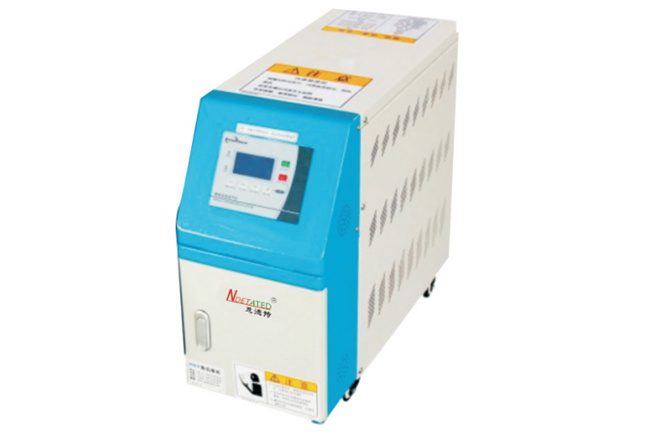
Compact mold temperature controller units are vital components in industrial cooling systems, particularly in applications that require precise temperature management for molds. These units, designed for efficiency and ease of use, play a crucial role in ensuring optimal temperature control during the manufacturing process, which is particularly important in industries such as plastics, rubber, and metal working.
One of the primary advantages of compact mold temperature controller units is their ability to maintain stable temperatures within molds, which directly impacts the quality of the finished product. Fluctuations in temperature can lead to defects, inconsistencies, and reduced structural integrity in the final product. By utilizing state-of-the-art technology, these units can deliver precise temperature control, minimizing the risk of defects and enhancing product quality.
Another significant benefit of these compact units is their space-saving design. In industrial settings where real estate is at a premium, compact mold temperature controller units are designed to occupy minimal space without sacrificing performance. This makes them ideal for facilities looking to maximize their operational efficiency and minimize clutter on the production floor.
In addition to their size and efficiency, these temperature controllers are equipped with advanced features such as digital displays, programmable settings, and real-time monitoring capabilities. These features allow operators to easily adjust settings to meet specific requirements, monitor performance, and make data-driven decisions that enhance overall process efficiency. With the ability to quickly adapt to changing production needs, compact mold temperature controller units contribute to increased uptime and productivity.
Furthermore, energy efficiency is a growing concern in industrial operations. Compact mold temperature controller units are often designed with energy-saving technologies that reduce power consumption while maintaining optimal performance. This not only lowers operational costs but also supports sustainability initiatives by reducing the carbon footprint of manufacturing processes.
Ultimately, the integration of compact mold temperature controller units into industrial cooling systems can lead to significant improvements in process reliability, product quality, and operational efficiency. As industries continue to evolve, the demand for innovative solutions that enhance performance while conserving resources will only grow. By investing in these advanced temperature control solutions, businesses can remain competitive in a fast-paced market while ensuring that they meet the highest standards of quality and sustainability.
In conclusion, compact mold temperature controller units are essential for any industrial operation focused on quality and efficiency. Their advanced features, space-saving design, and energy efficiency make them a smart choice for optimizing cooling processes in various applications.
One of the primary advantages of compact mold temperature controller units is their ability to maintain stable temperatures within molds, which directly impacts the quality of the finished product. Fluctuations in temperature can lead to defects, inconsistencies, and reduced structural integrity in the final product. By utilizing state-of-the-art technology, these units can deliver precise temperature control, minimizing the risk of defects and enhancing product quality.
Another significant benefit of these compact units is their space-saving design. In industrial settings where real estate is at a premium, compact mold temperature controller units are designed to occupy minimal space without sacrificing performance. This makes them ideal for facilities looking to maximize their operational efficiency and minimize clutter on the production floor.
In addition to their size and efficiency, these temperature controllers are equipped with advanced features such as digital displays, programmable settings, and real-time monitoring capabilities. These features allow operators to easily adjust settings to meet specific requirements, monitor performance, and make data-driven decisions that enhance overall process efficiency. With the ability to quickly adapt to changing production needs, compact mold temperature controller units contribute to increased uptime and productivity.
Furthermore, energy efficiency is a growing concern in industrial operations. Compact mold temperature controller units are often designed with energy-saving technologies that reduce power consumption while maintaining optimal performance. This not only lowers operational costs but also supports sustainability initiatives by reducing the carbon footprint of manufacturing processes.
Ultimately, the integration of compact mold temperature controller units into industrial cooling systems can lead to significant improvements in process reliability, product quality, and operational efficiency. As industries continue to evolve, the demand for innovative solutions that enhance performance while conserving resources will only grow. By investing in these advanced temperature control solutions, businesses can remain competitive in a fast-paced market while ensuring that they meet the highest standards of quality and sustainability.
In conclusion, compact mold temperature controller units are essential for any industrial operation focused on quality and efficiency. Their advanced features, space-saving design, and energy efficiency make them a smart choice for optimizing cooling processes in various applications.
Hot Tags:
Contact Us
E-mail:
celine@jsntp.com
Phone:
86-18913523538
Address:
Building 3, Wanyang Zhongchuang City, No. 99 Hongfu Road, Libao Town, Hai'an City, Nantong City, Jiangsu Province
Contact Information
Phone: 8618550003508
Add: Building 3, Wanyang Zhongchuang City, No. 99 Hongfu Road, Libao Town, Hai'an City, Nantong City, Jiangsu Province

Request Quote