
The Crucial Function of Water Circulation Mold Temperature Controllers in Contemporary Industrial Equipment
Jul 17,2026
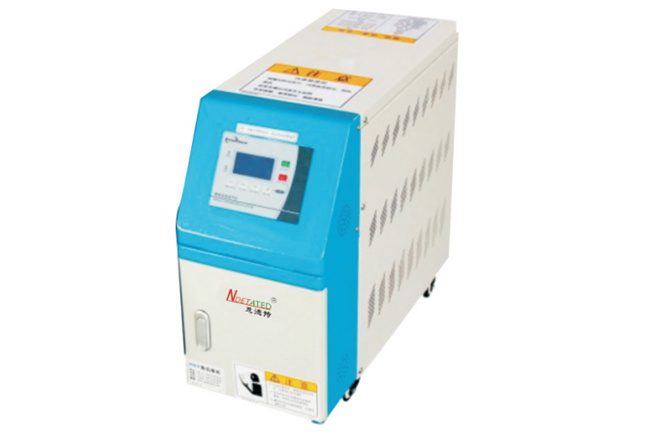
The Crucial Function of Water Circulation Mold Temperature Controllers in Contemporary Industrial Equipment
Table of Contents
- 1. Introduction to Water Circulation Mold Temperature Controllers
- 2. Understanding the Importance of Temperature Control in Industrial Processes
- 3. How Water Circulation Mold Temperature Controllers Function
- 3.1. Components of Water Circulation Mold Temperature Controllers
- 3.2. The Role of Water Circulation in Temperature Regulation
- 4. Benefits of Using Water Circulation Mold Temperature Controllers
- 4.1. Enhanced Product Quality
- 4.2. Increased Energy Efficiency
- 4.3. Reduced Production Costs
- 5. Applications of Water Circulation Mold Temperature Controllers in Various Industries
- 6. Selecting the Right Mold Temperature Controller for Your Needs
- 7. Maintenance and Best Practices for Optimal Performance
- 8. Frequently Asked Questions (FAQs)
- 9. Conclusion
1. Introduction to Water Circulation Mold Temperature Controllers
Water circulation mold temperature controllers have become a vital component in modern industrial operations. These sophisticated devices help maintain precise temperature control during manufacturing processes, which is essential for ensuring quality and efficiency. As industries continue to evolve, the demand for more reliable temperature control solutions has surged, making these controllers invaluable.
2. Understanding the Importance of Temperature Control in Industrial Processes
Temperature control is a critical factor in various industrial processes, especially those involving molding and casting. Inadequate temperature regulation can lead to defects, increased cycle times, and wasted resources. Here, we explore the significance of maintaining consistent temperatures throughout the manufacturing process.
The Impact of Temperature on Product Quality
Temperature fluctuations can significantly affect the properties of materials. For instance, in plastic molding, variations in temperature can lead to uneven cooling, resulting in warping or dimensional inaccuracies in the final product. Consistent temperatures ensure that materials retain their desired characteristics, ultimately enhancing product quality.
The Role of Temperature Control in Process Efficiency
Efficient temperature control helps streamline production processes. By maintaining optimal temperature ranges, manufacturers can reduce cycle times and increase throughput, ultimately leading to higher productivity and profitability.
3. How Water Circulation Mold Temperature Controllers Function
Understanding the operational mechanics of water circulation mold temperature controllers is key to appreciating their benefits. These systems utilize water as a heat transfer medium to manage mold temperatures effectively.
3.1 Components of Water Circulation Mold Temperature Controllers
Water circulation mold temperature controllers consist of several critical components:
- **Heating Elements**: These are responsible for raising the temperature of the water circulating through the system.
- **Cooling Coils**: These elements remove excess heat from the circulating water when necessary.
- **Pumps**: Pumps circulate water through the mold and the temperature control unit, ensuring efficient heat transfer.
- **Temperature Sensors**: These devices monitor the temperature in real-time, allowing for precise adjustments to maintain optimal conditions.
3.2 The Role of Water Circulation in Temperature Regulation
Water is an excellent medium for heat transfer due to its high specific heat capacity. The circulation of water through the mold allows for even heat distribution, minimizing temperature gradients that could lead to defects. This process ensures that molds reach and maintain the desired temperature quickly and efficiently.
4. Benefits of Using Water Circulation Mold Temperature Controllers
Implementing water circulation mold temperature controllers offers numerous advantages for manufacturers looking to enhance their production processes.
4.1 Enhanced Product Quality
By providing consistent temperature control, these controllers reduce the likelihood of defects in molded products. This translates to higher quality standards and improved customer satisfaction.
4.2 Increased Energy Efficiency
Water circulation systems are often more energy-efficient than traditional heating methods. The ability to maintain precise temperatures reduces energy consumption and operational costs.
4.3 Reduced Production Costs
With fewer defects and improved efficiency, manufacturers can significantly lower their production costs. This leads to higher profit margins and a more competitive market position.
5. Applications of Water Circulation Mold Temperature Controllers in Various Industries
Water circulation mold temperature controllers find applications across various sectors, including:
- **Injection Molding**: Used extensively in plastic manufacturing to ensure uniform cooling and heating of molds.
- **Metal Casting**: In metalworking, these controllers help maintain consistent temperatures, crucial for the properties of the final product.
- **Pharmaceuticals**: In the production of pharmaceutical products, temperature control is vital to maintain the integrity of sensitive compounds.
6. Selecting the Right Mold Temperature Controller for Your Needs
When selecting a water circulation mold temperature controller, several factors must be considered to ensure optimal performance.
6.1 Assessing Your Production Requirements
Evaluate the specific temperature ranges and cooling rates required for your production processes. This assessment will help in selecting a controller that meets your operational needs.
6.2 Size and Capacity Considerations
Choose a controller with adequate capacity to manage the size and complexity of your molds effectively. Oversized or undersized units can lead to inefficiencies.
6.3 Advanced Features and Technology
Look for controllers equipped with advanced features such as digital displays, programmable settings, and automated controls, which enhance usability and precision.
7. Maintenance and Best Practices for Optimal Performance
Regular maintenance of water circulation mold temperature controllers is essential for sustained performance.
7.1 Routine Inspections
Conduct routine inspections to ensure all components are functioning correctly. Check for leaks, pump performance, and sensor accuracy.
7.2 Regular Cleaning
Maintain cleanliness in the system to prevent clogs and ensure optimal heat transfer. Regularly clean filters, pipes, and other components.
7.3 Calibration of Temperature Sensors
Periodically calibrate temperature sensors to ensure they provide accurate readings, which is crucial for maintaining optimal operational conditions.
8. Frequently Asked Questions (FAQs)
What is a water circulation mold temperature controller?
A water circulation mold temperature controller is a device that regulates the temperature of molds in industrial applications by circulating water through them, ensuring consistent heating and cooling.
How does water circulation improve temperature control?
Water circulation allows for even heat distribution, minimizing temperature variations within the mold, which enhances product quality and process efficiency.
What industries benefit from using mold temperature controllers?
Industries such as plastics manufacturing, metal casting, and pharmaceuticals benefit greatly from the use of mold temperature controllers.
How can I maximize the efficiency of my water circulation mold temperature controller?
Regular maintenance, routine inspections, and the use of advanced controller features are key practices for maximizing efficiency.
Are there energy-efficient options available for mold temperature controllers?
Yes, many modern water circulation mold temperature controllers are designed to be energy-efficient, allowing for reduced operational costs while maintaining effective temperature control.
9. Conclusion
Water circulation mold temperature controllers play a pivotal role in modern industrial equipment, impacting both product quality and manufacturing efficiency. By ensuring precise temperature control, these systems enhance production processes across various industries. As we continue to innovate and advance in technology, the importance of these controllers will only grow, solidifying their place as indispensable tools in contemporary manufacturing.
Hot Tags:
PREVIOUS:
Contact Us
E-mail:
celine@jsntp.com
Phone:
86-18913523538
Address:
Building 3, Wanyang Zhongchuang City, No. 99 Hongfu Road, Libao Town, Hai'an City, Nantong City, Jiangsu Province
Contact Information
Phone: 8618550003508
Add: Building 3, Wanyang Zhongchuang City, No. 99 Hongfu Road, Libao Town, Hai'an City, Nantong City, Jiangsu Province

Request Quote