
Choosing the Ideal Water Circulation Mold Temperature Controller: A Comprehensive Guide
Aug 04,2026
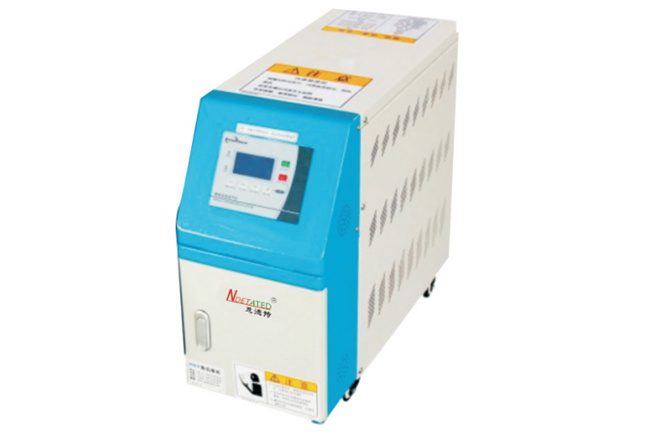
Choosing the Ideal Water Circulation Mold Temperature Controller: A Comprehensive Guide
Table of Contents
1. Understanding Water Circulation Mold Temperature Controllers
2. Key Features to Consider When Selecting a Mold Temperature Controller
2.1. Temperature Control Accuracy
2.2. Flow Rate and Pump Capacity
2.3. Energy Efficiency
2.4. User-Friendly Interface
3. Types of Water Circulation Mold Temperature Controllers
3.1. Single Zone Controllers
3.2. Multi-Zone Controllers
3.3. Portable Controllers
4. The Importance of Material Compatibility
5. Installation and Setup Guidelines
6. Maintenance and Troubleshooting Tips
7. Frequently Asked Questions (FAQs)
8. Conclusion
1. Understanding Water Circulation Mold Temperature Controllers
Water circulation mold temperature controllers are essential equipment in various manufacturing processes, particularly in injection molding. Their primary function is to regulate the temperature of molds, ensuring uniform heating or cooling of materials during production. By maintaining the desired temperature, these controllers help enhance product quality, reduce cycle times, and minimize energy consumption.
2. Key Features to Consider When Selecting a Mold Temperature Controller
When choosing the right mold temperature controller, several key features can significantly impact performance and efficiency. Understanding these features aids in making an informed decision.
2.1. Temperature Control Accuracy
The accuracy of temperature control is crucial in achieving consistent results. Controllers should ideally offer a temperature range that suits your specific molding process. Look for units with precise temperature calibrations and stable performance across different operating conditions.
2.2. Flow Rate and Pump Capacity
The flow rate and pump capacity directly influence the efficiency of heat transfer in the mold. Selecting a controller with an adequate flow rate ensures optimal cooling or heating and prevents mold damage. Evaluate the specifications against your mold’s requirements, considering factors like viscosity and material type.
2.3. Energy Efficiency
Energy costs can be significant in large-scale production. Opting for a temperature controller that emphasizes energy efficiency helps reduce operational costs. Look for features such as variable-speed pumps and advanced heat exchange technology that minimize energy consumption while maintaining performance.
2.4. User-Friendly Interface
A user-friendly interface is invaluable for operators who need to monitor and adjust settings frequently. Controllers with intuitive displays, easy-to-navigate menus, and remote access capabilities enhance usability and reduce training time.
3. Types of Water Circulation Mold Temperature Controllers
Understanding the different types of water circulation mold temperature controllers available can help tailor your choice to your specific needs.
3.1. Single Zone Controllers
Single zone controllers are ideal for applications requiring limited temperature regulation. These units are often more economical and simpler to operate, making them suitable for smaller operations or specific molds.
3.2. Multi-Zone Controllers
Multi-zone controllers offer advanced versatility, enabling the regulation of multiple molds or zones simultaneously. This is particularly beneficial in complex molding operations where different areas may require different temperatures.
3.3. Portable Controllers
For operations that require flexibility, portable controllers are an excellent choice. They can be easily moved between workstations and are ideal for job shops or facilities that perform various molding tasks.
4. The Importance of Material Compatibility
Material compatibility is a critical factor in selecting the right mold temperature controller. Different materials, from plastics to metals, have varying thermal properties that affect how they respond to temperature changes. Ensuring that your controller can handle the specific materials you use will help maintain quality and prevent issues during production.
5. Installation and Setup Guidelines
Proper installation and setup are vital for optimal performance. Follow these guidelines for a successful installation of your water circulation mold temperature controller:
1. **Location:** Choose an appropriate location near the mold to minimize the distance between the controller and the mold.
2. **Plumbing:** Ensure proper plumbing connections to facilitate the flow of water without leaks.
3. **Electrical Connections:** Confirm that electrical connections adhere to safety standards to prevent malfunctions.
4. **Calibration:** After installation, calibrate the unit according to the manufacturer’s instructions to ensure accurate temperature readings.
6. Maintenance and Troubleshooting Tips
Regular maintenance is necessary to prolong the life of your mold temperature controller and maintain optimal performance. Here are essential maintenance tips:
1. **Routine Inspections:** Regularly check for leaks, wear, and corrosion.
2. **Clean Filters:** Clogged filters can reduce efficiency, so clean or replace them as needed.
3. **Monitor Temperature Readings:** Regularly verify temperature accuracy. If discrepancies arise, recalibrate the unit.
4. **Professional Servicing:** Schedule professional servicing at least once a year to ensure all components are functioning correctly.
7. Frequently Asked Questions (FAQs)
What is a mold temperature controller?
A mold temperature controller is a device used to regulate the temperature of molds in manufacturing processes, particularly in injection molding.
How does a water circulation mold temperature controller work?
These controllers circulate heated or cooled water through the mold to maintain the desired temperature, ensuring even heating or cooling during production.
What are the benefits of using a mold temperature controller?
Using a mold temperature controller enhances product quality, reduces cycle times, and minimizes energy consumption.
Can I use a mold temperature controller for different materials?
Yes, but ensure that the controller is compatible with the specific thermal properties of the materials being used.
What maintenance is required for a mold temperature controller?
Regular inspections, cleaning filters, and verifying temperature accuracy are essential for maintaining a mold temperature controller.
8. Conclusion
Choosing the right water circulation mold temperature controller is pivotal in achieving efficiency and quality in your manufacturing processes. By understanding the key features, types, and maintenance needs, you can make an informed decision that aligns with your operational requirements. Investing in the right controller not only optimizes your molding processes but also contributes to significant cost savings and improved product quality in the long run. Evaluate your options carefully, and don’t hesitate to consult with manufacturers or experts for tailored advice specific to your needs.
Hot Tags:
Contact Us
E-mail:
celine@jsntp.com
Phone:
86-18913523538
Address:
Building 3, Wanyang Zhongchuang City, No. 99 Hongfu Road, Libao Town, Hai'an City, Nantong City, Jiangsu Province
Contact Information
Phone: 8618550003508
Add: Building 3, Wanyang Zhongchuang City, No. 99 Hongfu Road, Libao Town, Hai'an City, Nantong City, Jiangsu Province

Request Quote