
Optimizing Mold Temperature Control with Oil Heating Mold Temperature Units
Jun 26,2026
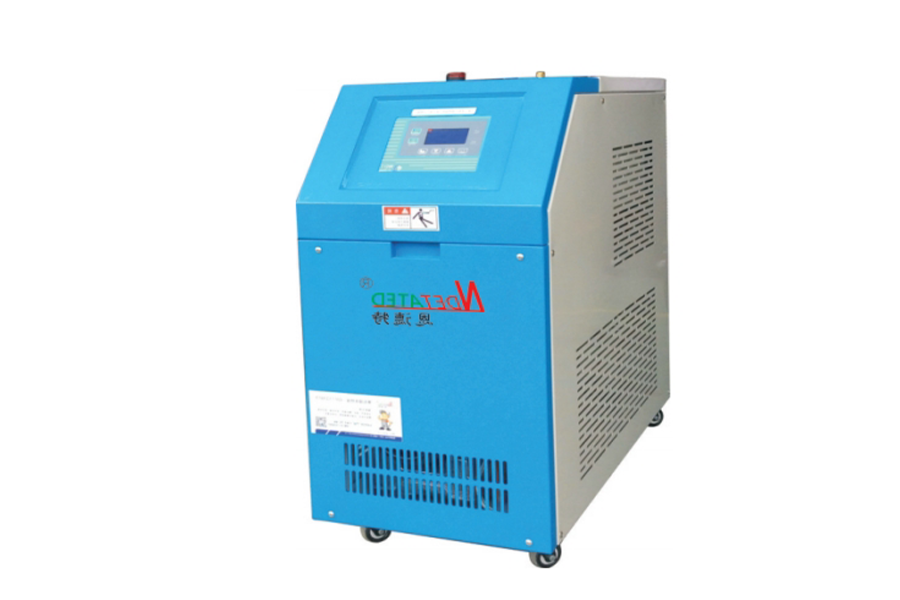
Oil heating mold temperature units play a vital role in industries where precise thermal management is essential, particularly in the processing of polymers and metals. These units are designed to maintain specific temperatures within molds during production cycles, ensuring that materials are properly heated for effective processing. By controlling the temperature, manufacturers can achieve better flow characteristics, improved surface finish, and reduced cycle times, ultimately enhancing overall productivity.
One of the primary advantages of oil heating mold temperature units is their ability to provide uniform heating across the mold surface. Unlike water-based systems, oil heating units operate at higher temperatures without the risk of boiling, allowing for a more stable and controlled temperature environment. This is particularly beneficial when dealing with high-performance materials that require precise thermal conditions to maintain their properties during processing.
Moreover, oil heating systems typically offer faster heating and cooling rates compared to traditional water-based systems. This rapid response capability allows for real-time adjustments to the mold temperature, which can be critical when dealing with complex geometries or varying material characteristics. By quickly adapting to these changes, manufacturers can reduce waste and enhance product consistency.
In addition to temperature control, many modern oil heating mold temperature units come equipped with advanced monitoring and control features. These include digital displays, programmable settings, and alarm systems that alert operators to temperature fluctuations or system malfunctions. Such features not only improve operational efficiency but also contribute to maintaining quality standards by ensuring that the desired temperature is consistently achieved and maintained throughout the production cycle.
When selecting an oil heating mold temperature unit, it's essential to consider factors such as the specific thermal requirements of the materials being processed, the size and design of the mold, and the overall production environment. Proper integration of these units into existing systems can lead to significant improvements in both efficiency and quality, making them a worthy investment for manufacturers looking to enhance their processes.
In conclusion, oil heating mold temperature units are an indispensable asset in the industrial equipment sector, particularly for applications where precise temperature control is critical. By leveraging their advantages in uniform heating, rapid response capabilities, and advanced monitoring technologies, businesses can optimize their production processes and achieve higher quality outcomes. Understanding these units and their applications will empower professionals to make informed decisions that can lead to improved operational performance and competitive advantage.
One of the primary advantages of oil heating mold temperature units is their ability to provide uniform heating across the mold surface. Unlike water-based systems, oil heating units operate at higher temperatures without the risk of boiling, allowing for a more stable and controlled temperature environment. This is particularly beneficial when dealing with high-performance materials that require precise thermal conditions to maintain their properties during processing.
Moreover, oil heating systems typically offer faster heating and cooling rates compared to traditional water-based systems. This rapid response capability allows for real-time adjustments to the mold temperature, which can be critical when dealing with complex geometries or varying material characteristics. By quickly adapting to these changes, manufacturers can reduce waste and enhance product consistency.
In addition to temperature control, many modern oil heating mold temperature units come equipped with advanced monitoring and control features. These include digital displays, programmable settings, and alarm systems that alert operators to temperature fluctuations or system malfunctions. Such features not only improve operational efficiency but also contribute to maintaining quality standards by ensuring that the desired temperature is consistently achieved and maintained throughout the production cycle.
When selecting an oil heating mold temperature unit, it's essential to consider factors such as the specific thermal requirements of the materials being processed, the size and design of the mold, and the overall production environment. Proper integration of these units into existing systems can lead to significant improvements in both efficiency and quality, making them a worthy investment for manufacturers looking to enhance their processes.
In conclusion, oil heating mold temperature units are an indispensable asset in the industrial equipment sector, particularly for applications where precise temperature control is critical. By leveraging their advantages in uniform heating, rapid response capabilities, and advanced monitoring technologies, businesses can optimize their production processes and achieve higher quality outcomes. Understanding these units and their applications will empower professionals to make informed decisions that can lead to improved operational performance and competitive advantage.
Hot Tags:
PREVIOUS:
Contact Us
E-mail:
celine@jsntp.com
Phone:
86-18913523538
Address:
Building 3, Wanyang Zhongchuang City, No. 99 Hongfu Road, Libao Town, Hai'an City, Nantong City, Jiangsu Province
Contact Information
Phone: 8618550003508
Add: Building 3, Wanyang Zhongchuang City, No. 99 Hongfu Road, Libao Town, Hai'an City, Nantong City, Jiangsu Province

Request Quote