
Maximizing Manufacturing Efficiency: The Role of Water Circulation Mold Temperature Controllers
Jun 29,2026
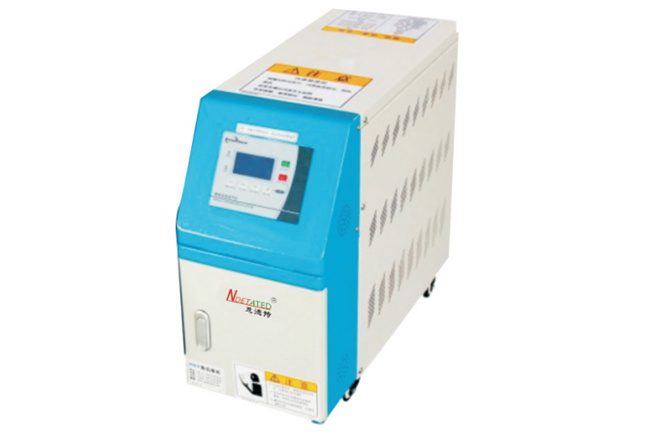
How Water Circulation Mold Temperature Controllers Enhance Efficiency in Manufacturing
Introduction to Water Circulation Mold Temperature Controllers
In the manufacturing sector, precision and efficiency are paramount. One of the often-overlooked components that contribute significantly to these factors is the water circulation mold temperature controller (MTC). These advanced devices are designed to regulate and maintain consistent temperatures during the molding process, allowing manufacturers to optimize their production lines.
Understanding the Importance of Temperature Control in Manufacturing
Temperature control is critical in various manufacturing processes, especially those involving thermoplastics and thermosetting polymers. Effective temperature regulation can:
- **Improve Product Quality**: Maintaining a stable temperature throughout the molding process prevents defects and inconsistencies, resulting in higher quality products.
- **Enhance Cycle Time**: By optimizing the heating and cooling phases, manufacturers can reduce cycle times, allowing for increased output and efficiency.
- **Reduce Material Waste**: Consistent temperature control minimizes the risk of material degradation, leading to less waste and lower production costs.
What Are Water Circulation Mold Temperature Controllers?
Water circulation mold temperature controllers are specialized devices that manage the temperature of molds using water as a heat transfer medium. These controllers circulate heated or cooled water through channels in the mold, ensuring that the temperature remains constant. By precisely controlling the temperature of the mold, manufacturers can significantly enhance the quality of their products.
How Do Water Circulation Mold Temperature Controllers Work?
The operation of water circulation mold temperature controllers can be broken down into several key components:
- **Heating Element**: This component heats the water to the desired temperature, which is then circulated through the mold.
- **Cooling System**: For processes requiring cooling, a cooling system reduces the water temperature before it enters the mold.
- **Temperature Sensors**: These sensors monitor the temperature of the mold and the circulating water, providing real-time feedback to the controller.
- **Control Unit**: The control unit manages the system, adjusting the heating or cooling based on the feedback from the temperature sensors.
Benefits of Using Water Circulation Mold Temperature Controllers
Implementing water circulation mold temperature controllers in manufacturing processes offers a multitude of benefits:
1. Enhanced Production Efficiency
By maintaining optimal temperature levels, these controllers significantly reduce cycle times. As a result, manufacturers can produce more parts in less time, which is crucial in competitive markets.
2. Consistent Product Quality
Stable temperature control ensures uniform cooling or heating of the mold, resulting in consistent product quality. This consistency is vital for industries where precision is non-negotiable, such as automotive and aerospace manufacturing.
3. Energy Efficiency
Modern water circulation mold temperature controllers are designed with energy-saving features. By optimizing the heating and cooling processes, manufacturers can reduce energy consumption, leading to lower operational costs.
4. Reduced Maintenance and Downtime
Quality water circulation mold temperature controllers require less maintenance and downtime compared to traditional systems. Their reliability allows manufacturers to focus on production rather than equipment issues.
5. Flexibility and Versatility
These controllers can be adjusted for various applications and materials, making them versatile tools in the manufacturing process. Whether for injection molding, blow molding, or other processes, they can adapt to specific requirements.
Applications of Water Circulation Mold Temperature Controllers
Water circulation mold temperature controllers are utilized across various industries, including:
1. Injection Molding
In injection molding processes, maintaining precise mold temperatures is critical for achieving quality results. Water circulation molds ensure that the material flows correctly, reducing the risk of defects.
2. Blow Molding
For blow molding, the temperature control provided by these controllers is essential for the uniform thickness and quality of the final product. They help manage the cooling rates, which directly impacts the strength and clarity of the finished item.
3. Extrusion Processes
In extrusion, consistent temperature control can enhance the uniformity of the extrudate and improve overall production efficiency. Water circulation mold temperature controllers can be integrated into the extrusion process to regulate temperatures effectively.
4. Die Casting
Die casting processes also benefit from water circulation mold temperature controllers. They ensure that the die temperature remains stable, resulting in better metal flow and fewer defects in the finished castings.
Choosing the Right Water Circulation Mold Temperature Controller
Selecting the appropriate water circulation mold temperature controller requires careful consideration of several factors:
1. Temperature Range
Understanding the required temperature range for your specific application is crucial. Ensure that the controller can handle the necessary temperatures for optimal performance.
2. Flow Rate
The flow rate of the water circulation system impacts the efficiency of temperature control. A higher flow rate can enhance heat transfer, but it must be balanced with energy consumption.
3. Control Features
Look for advanced control features that offer real-time monitoring, programmable settings, and data logging capabilities. These features can significantly enhance operational efficiency.
4. Build Quality
Investing in a robust and durable model will reduce maintenance costs and downtime. Ensure that the materials used in construction can withstand the operational demands of your industry.
Common Challenges and Solutions When Using Water Circulation Mold Temperature Controllers
While water circulation mold temperature controllers offer numerous advantages, manufacturers may encounter challenges. Here are some common issues and their solutions:
1. Inconsistent Temperature Control
**Challenge**: Fluctuations in temperature can lead to product defects.
**Solution**: Regularly calibrate the temperature sensors and perform maintenance checks to ensure optimal performance.
2. System Blockages
**Challenge**: Blockages in the water circulation system can hinder performance.
**Solution**: Implement a routine cleaning schedule to prevent debris accumulation in the system.
3. Insufficient Cooling or Heating
**Challenge**: Inadequate cooling or heating may arise if the system isn't properly sized for the application.
**Solution**: Consult with a qualified technician to assess your needs and adjust the specifications of the system accordingly.
FAQs About Water Circulation Mold Temperature Controllers
1. What are the primary functions of a water circulation mold temperature controller?
The primary functions include regulating and maintaining the temperature of molds during the manufacturing process, enhancing product quality, and improving overall efficiency.
2. Can water circulation mold temperature controllers be used with different materials?
Yes, these controllers can be adjusted for various materials and applications, making them versatile tools in manufacturing.
3. How does temperature control affect product quality?
Consistent temperature control minimizes defects and ensures uniform properties in the finished product, leading to higher quality outcomes.
4. What is the typical maintenance schedule for these controllers?
Regular maintenance should include calibration of temperature sensors, checking for blockages in the circulation system, and cleaning components to ensure optimal performance.
5. Are there energy-efficient options available for water circulation mold temperature controllers?
Yes, many modern models come equipped with energy-saving features that optimize heating and cooling processes, thereby reducing overall energy consumption.
Conclusion
Water circulation mold temperature controllers are essential tools in modern manufacturing, offering significant enhancements in efficiency, product quality, and overall operational effectiveness. By understanding the intricacies of these systems and how they can be applied across various manufacturing processes, businesses can optimize their production capabilities and maintain a competitive edge in the industry. As technology continues to evolve, investing in advanced temperature control solutions will undoubtedly pay dividends in the quest for manufacturing excellence.
Hot Tags:
PREVIOUS:
Contact Us
E-mail:
celine@jsntp.com
Phone:
86-18913523538
Address:
Building 3, Wanyang Zhongchuang City, No. 99 Hongfu Road, Libao Town, Hai'an City, Nantong City, Jiangsu Province
Contact Information
Phone: 8618550003508
Add: Building 3, Wanyang Zhongchuang City, No. 99 Hongfu Road, Libao Town, Hai'an City, Nantong City, Jiangsu Province

Request Quote