
Key Features to Look for in a Water/Oil Dual Mold Temperature Controller
Jun 23,2026
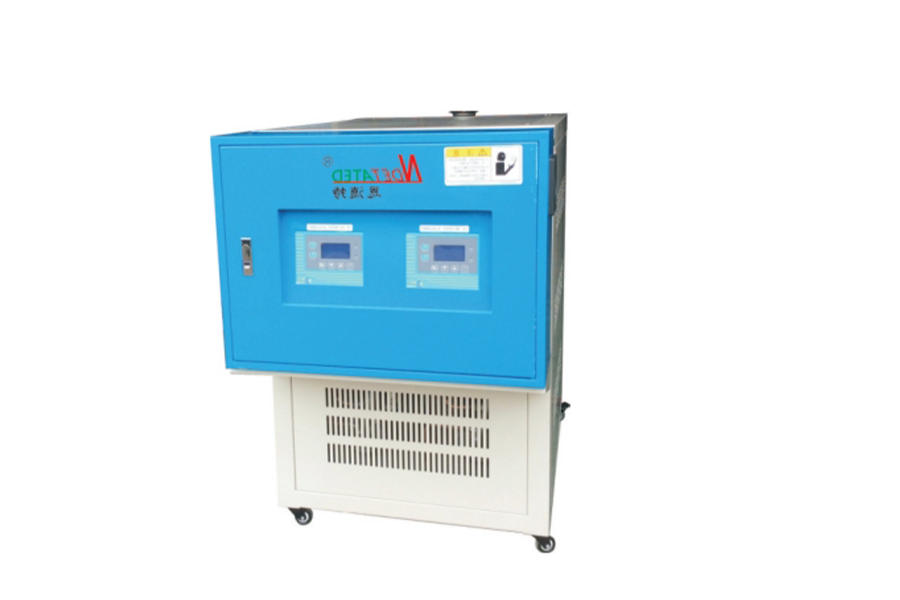
Key Features to Look for in a Water/Oil Dual Mold Temperature Controller
Introduction to Dual Mold Temperature Controllers
In the realm of industrial equipment and components, the efficiency of production processes is paramount. One vital part of this equation is the **dual mold temperature controller**, which utilizes both water and oil to maintain optimal temperatures during manufacturing. Understanding the key features of these controllers will empower engineers and operators to select the best equipment for their specific applications.
Importance of Temperature Control in Industrial Applications
Temperature control plays a significant role in various industrial processes, particularly in molding and casting operations. Precise temperature management ensures product quality, enhances cycle times, and reduces energy consumption. A water/oil dual mold temperature controller offers flexibility and efficiency, making it ideal for diverse industrial environments.
Understanding Water vs. Oil in Temperature Control
Both water and oil serve distinct purposes in temperature regulation. Water is an excellent heat transfer medium due to its high specific heat capacity, making it suitable for rapid cooling. Conversely, oil provides superior thermal stability, making it ideal for applications requiring high-temperature maintenance. Hence, a dual system allows the user to leverage the strengths of both mediums, providing versatility in temperature management.
Key Features of Water/Oil Dual Mold Temperature Controllers
1. Temperature Range and Control Precision
One of the foremost features to consider is the **temperature range** and the **precision of control**. Look for controllers that offer a wide range, typically from 0°C to 200°C or higher, depending on your application. Precision in temperature control, often within ±1°C, is crucial for maintaining product quality and consistency.
2. Dual Zone Control
Dual zone control capabilities allow separate temperature management for different molds or zones within the same machine. This feature is particularly beneficial for complex molds that require varying temperatures for optimal performance.
3. Robust Construction and Materials
The durability of a dual mold temperature controller is critical, given the demanding conditions it must withstand. Look for units constructed from high-quality, corrosion-resistant materials such as stainless steel, which ensure longevity and reliability.
4. User-Friendly Interface
A user-friendly interface simplifies operation and enhances efficiency. Controllers with intuitive touch screens, clear digital displays, and straightforward navigation menus can significantly reduce training time and minimize operational errors.
5. Energy Efficiency and Eco-Friendliness
In today’s industrial environment, energy efficiency is not just a preference; it’s a necessity. Select controllers that incorporate advanced technology to optimize energy usage, which can lead to significant cost savings over time and align with sustainability goals.
Advanced Features Enhancing Performance
1. Smart Technology Integration
Modern dual mold temperature controllers increasingly incorporate smart technology, enabling remote monitoring and control via mobile devices or centralized systems. This feature allows operators to oversee processes in real-time, leading to rapid adjustments and enhanced productivity.
2. Alarm Systems and Safety Features
Safety is paramount in industrial operations. A robust alarm system that alerts users to temperature fluctuations or system malfunctions is essential. Look for controllers with built-in safety features that can automatically shut down the system in case of critical failures.
3. Maintenance-Friendly Design
A design that facilitates easy maintenance can save time and reduce costs. Features like accessible components, self-diagnostic tools, and modular designs contribute to efficient servicing processes, minimizing downtime.
4. Compatibility with Existing Systems
Ensure that the dual mold temperature controller is compatible with your existing machinery and systems. This compatibility allows for seamless integration, reducing the need for costly modifications or additional equipment.
Evaluating Performance and Reliability
1. Manufacturer Reputation and Support
Prioritize controllers from reputable manufacturers known for reliability and excellent customer support. Researching user reviews and seeking recommendations from industry peers can provide valuable insights into a manufacturer’s performance history.
2. Warranty and Service Options
A comprehensive warranty reflects the manufacturer’s confidence in their product. Look for controllers that come with substantial warranty periods and consider the availability of service options, including routine maintenance and emergency repairs.
Cost Considerations and Budgeting
When evaluating water/oil dual mold temperature controllers, it’s essential to balance features with budget constraints. While it may be tempting to opt for the least expensive option, investing in a high-quality controller with the features outlined above can lead to long-term savings, improved efficiency, and reduced operational costs.
Frequently Asked Questions (FAQs)
1. What is a water/oil dual mold temperature controller?
A water/oil dual mold temperature controller is a device used in industrial applications to maintain optimal temperatures in molds using both water and oil as heat transfer mediums.
2. How does dual zone control benefit production processes?
Dual zone control allows for separate temperature management for different molds, enhancing precision and flexibility during complex manufacturing processes.
3. What materials are recommended for durability?
Controllers constructed from high-quality, corrosion-resistant materials such as stainless steel are recommended for their durability and longevity.
4. Why is energy efficiency important in these controllers?
Energy efficiency is crucial as it minimizes operational costs and aligns with sustainability objectives, contributing to a greener manufacturing environment.
5. How can I ensure the controller is easy to maintain?
Look for models designed with accessibility in mind, including self-diagnostic tools and modular components that simplify servicing and maintenance tasks.
Conclusion
Selecting the right water/oil dual mold temperature controller is essential for optimizing industrial processes and ensuring product quality. By considering key features such as temperature range, dual zone control, construction materials, and advanced technology integration, you can make an informed decision that aligns with your operational needs. Emphasizing reliability, energy efficiency, and ease of maintenance will not only enhance productivity but also contribute to long-term savings and efficiency in your manufacturing processes. Prioritize these attributes to ensure you choose a controller that stands the test of time, elevating your operational capabilities to new heights.
Hot Tags:
Contact Us
E-mail:
celine@jsntp.com
Phone:
86-18913523538
Address:
Building 3, Wanyang Zhongchuang City, No. 99 Hongfu Road, Libao Town, Hai'an City, Nantong City, Jiangsu Province
Contact Information
Phone: 8618550003508
Add: Building 3, Wanyang Zhongchuang City, No. 99 Hongfu Road, Libao Town, Hai'an City, Nantong City, Jiangsu Province

Request Quote