
Essential Process Cooling Equipment for the Plastic Industry: Enhancing Efficiency and Performance
Jun 20,2026

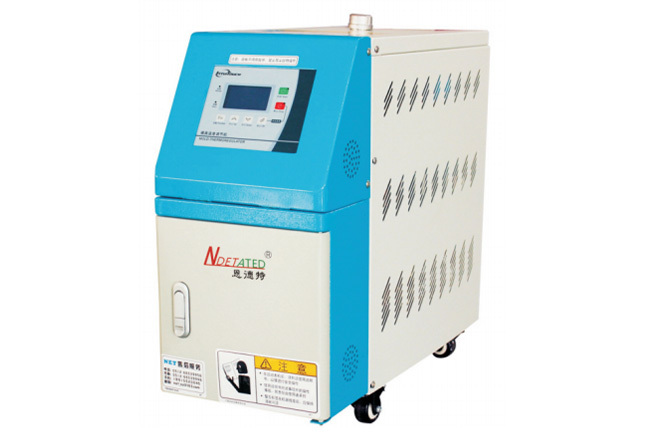
In the plastic industry, process cooling equipment plays a vital role in achieving optimal product quality and operational efficiency. As plastics are often molded and shaped through processes that generate significant heat, efficient cooling systems are essential for maintaining the integrity of materials and preventing defects. Understanding various cooling equipment options can help businesses enhance their manufacturing processes and ensure consistent product performance.
One of the primary types of process cooling equipment used in the plastic industry is water-cooled chillers. These systems circulate chilled water through the molds and machinery to absorb excess heat generated during the plastic processing. They are particularly effective in maintaining precise temperature control, which is crucial when dealing with temperature-sensitive materials. The efficiency of water-cooled chillers can significantly reduce cycle times, thus increasing overall productivity.
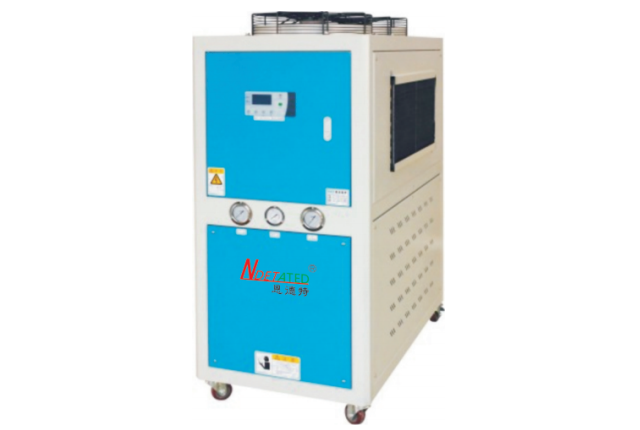
Another important cooling solution is air-cooled chillers, which are advantageous in environments where water availability is limited or where water-based systems would introduce contamination risks. These systems utilize ambient air to dissipate heat, making them a cost-effective and efficient choice for many operations. They are particularly useful for smaller facilities or in regions where water resources are scarce.
In addition to chillers, process cooling equipment also includes heat exchangers, which facilitate efficient thermal transfer between fluids. In the plastic industry, they are used to cool down process fluids or to recover waste heat for reuse in other parts of the operation. By implementing heat exchangers, companies can improve energy efficiency, reduce operational costs, and minimize environmental impact.
Moreover, proper insulation and maintenance of cooling systems are crucial for maximizing efficiency. Insulation helps prevent heat loss, which can lead to increased energy consumption and higher operational costs. Regular maintenance of cooling equipment ensures that systems operate at peak performance, reducing downtime and extending the lifespan of the equipment.
To conclude, selecting the appropriate process cooling equipment for the plastic industry is essential to enhancing production efficiency, ensuring product quality, and promoting workplace safety. Water-cooled and air-cooled chillers, along with effective heat exchangers, form the backbone of an efficient cooling strategy. By understanding the technical aspects of these systems and prioritizing proper maintenance, manufacturers can optimize their operations in an increasingly competitive market. Investing in suitable process cooling solutions will ultimately lead to better performance and a more sustainable manufacturing process.
One of the primary types of process cooling equipment used in the plastic industry is water-cooled chillers. These systems circulate chilled water through the molds and machinery to absorb excess heat generated during the plastic processing. They are particularly effective in maintaining precise temperature control, which is crucial when dealing with temperature-sensitive materials. The efficiency of water-cooled chillers can significantly reduce cycle times, thus increasing overall productivity.
Another important cooling solution is air-cooled chillers, which are advantageous in environments where water availability is limited or where water-based systems would introduce contamination risks. These systems utilize ambient air to dissipate heat, making them a cost-effective and efficient choice for many operations. They are particularly useful for smaller facilities or in regions where water resources are scarce.
In addition to chillers, process cooling equipment also includes heat exchangers, which facilitate efficient thermal transfer between fluids. In the plastic industry, they are used to cool down process fluids or to recover waste heat for reuse in other parts of the operation. By implementing heat exchangers, companies can improve energy efficiency, reduce operational costs, and minimize environmental impact.
Moreover, proper insulation and maintenance of cooling systems are crucial for maximizing efficiency. Insulation helps prevent heat loss, which can lead to increased energy consumption and higher operational costs. Regular maintenance of cooling equipment ensures that systems operate at peak performance, reducing downtime and extending the lifespan of the equipment.
To conclude, selecting the appropriate process cooling equipment for the plastic industry is essential to enhancing production efficiency, ensuring product quality, and promoting workplace safety. Water-cooled and air-cooled chillers, along with effective heat exchangers, form the backbone of an efficient cooling strategy. By understanding the technical aspects of these systems and prioritizing proper maintenance, manufacturers can optimize their operations in an increasingly competitive market. Investing in suitable process cooling solutions will ultimately lead to better performance and a more sustainable manufacturing process.
Hot Tags:
Contact Us
E-mail:
celine@jsntp.com
Phone:
86-18913523538
Address:
Building 3, Wanyang Zhongchuang City, No. 99 Hongfu Road, Libao Town, Hai'an City, Nantong City, Jiangsu Province
Contact Information
Phone: 8618550003508
Add: Building 3, Wanyang Zhongchuang City, No. 99 Hongfu Road, Libao Town, Hai'an City, Nantong City, Jiangsu Province

Request Quote