
Maximizing Sustainability: The Role of Energy Efficient Air Cooled Chillers in Industrial Operations
Jun 17,2026
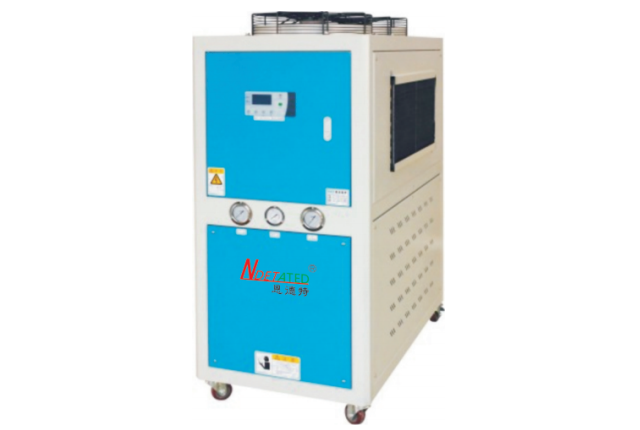
Maximizing Sustainability: The Role of Energy Efficient Air Cooled Chillers in Industrial Operations
In today’s industrial landscape, the push for sustainability is more crucial than ever. Industries are increasingly seeking ways to minimize their environmental impact while maintaining operational efficiency. One of the most significant advancements contributing to this goal is the use of energy efficient air cooled chillers. This article delves into the importance of these systems, their benefits, and how they can be pivotal in fostering sustainable industrial operations.
Table of Contents
- Understanding Air Cooled Chillers
- Why Energy Efficiency Matters in Industry
- Benefits of Energy Efficient Air Cooled Chillers
- How Air Cooled Chillers Work
- Selecting the Right Chiller for Your Needs
- Cost Savings and Return on Investment
- Future Trends in Chiller Technology
- Conclusion
- FAQs
Understanding Air Cooled Chillers
Air cooled chillers are essential components in numerous industrial processes, providing cooling to various applications, including manufacturing, HVAC systems, and refrigeration. Unlike water-cooled chillers, which require a separate cooling water source, air cooled chillers utilize ambient air to dissipate heat. This makes them more suitable for locations where water conservation is a priority or where water resources are limited.
Why Energy Efficiency Matters in Industry
Energy consumption is a significant aspect of industrial operations, contributing to operational costs and environmental impact. With rising energy prices and increasing regulatory pressures for sustainability, industries must prioritize energy efficiency. Energy efficient chillers not only reduce energy consumption but also lower greenhouse gas emissions, aligning with global sustainability goals.
The Environmental Impact of Energy Consumption
Energy consumption in industrial settings contributes substantially to carbon emissions. By optimizing energy use through efficient technologies, industries can significantly lessen their environmental footprint. Implementing energy efficient air cooled chillers is a proactive step toward achieving these objectives.
Benefits of Energy Efficient Air Cooled Chillers
The advantages of integrating energy efficient air cooled chillers into industrial operations are manifold. Let's explore the key benefits:
1. Reduced Energy Costs
One of the most immediate benefits is the reduction in energy costs. Energy efficient chillers can substantially lower electricity bills by utilizing advanced technologies, such as variable speed drives and high-efficiency compressors. Over time, these savings can translate into significant financial benefits for organizations.
2. Increased Reliability and Performance
Modern air cooled chillers are designed for enhanced reliability and performance. With improved materials and innovative designs, they offer consistent cooling performance, reducing the likelihood of system failures and downtime. This reliability ensures that production processes remain uninterrupted.
3. Enhanced Sustainability Practices
By investing in energy efficient chillers, companies demonstrate a commitment to sustainability. This can enhance brand reputation, attracting environmentally conscious consumers and partners. An organization’s sustainability efforts can also lead to favorable regulatory treatment and potential tax incentives.
4. Space Efficiency
Air cooled chillers typically require less space than their water-cooled counterparts since they do not need additional cooling towers or extensive piping. This can result in more efficient use of valuable floor space within industrial facilities.
5. Lower Maintenance Requirements
With fewer components than water-cooled systems, air cooled chillers generally have lower maintenance needs. This translates to reduced operational interruptions and lower maintenance costs over time.
How Air Cooled Chillers Work
Understanding the operational mechanics of air cooled chillers is essential for realizing their advantages. Here’s how they function:
1. **Refrigeration Cycle**
Air cooled chillers operate on the vapor-compression refrigeration cycle. The refrigerant absorbs heat from the process fluid, evaporating in the evaporator. The refrigerant gas is then compressed, raising its temperature and pressure before being sent to the condenser.
2. **Heat Dissipation**
In the condenser, the refrigerant releases heat into the ambient air through a set of coils. Fans blow air over these coils, facilitating heat exchange. As the refrigerant cools, it condenses back into a liquid state and returns to the evaporator to continue the cycle.
3. **Control Systems**
Modern chillers are equipped with advanced control systems that optimize operation based on real-time cooling demands. This can include variable speed fans that adjust airflow and energy use according to the system's needs.
Selecting the Right Chiller for Your Needs
Choosing the correct air cooled chiller requires careful consideration of several factors:
1. **Cooling Capacity**
The cooling capacity must match the specific needs of your application. An undersized chiller will struggle to meet cooling demands, while an oversized one will lead to inefficiencies and increased operational costs.
2. **Energy Efficiency Rating**
Look for chillers with a high Energy Efficiency Ratio (EER) or Coefficient of Performance (COP). These ratings indicate the unit's efficiency, helping you select a model that aligns with energy-saving goals.
3. **Operational Environment**
Consider the installation environment. Factors such as ambient temperature, humidity levels, and available space will influence your choice. Some chillers are better suited for harsher environments than others.
4. **Brand Reputation and Support**
Choose reputable manufacturers that offer strong customer support, warranty options, and service plans. A reliable brand can provide peace of mind and ongoing assistance, ensuring optimal performance over time.
Cost Savings and Return on Investment
Investing in energy efficient air cooled chillers is not merely an operational decision; it’s a financially sound one as well. Here’s how these units contribute to substantial savings:
1. **Reduced Energy Bills**
The most immediate impact is seen in reduced energy bills. By consuming less power, businesses can significantly cut down on operational costs.
2. **Tax Incentives**
Many regions offer tax credits or incentives for businesses that invest in energy-efficient systems. This can enhance the return on investment (ROI) further, making the initial expenditure more manageable.
3. **Long-Term Savings**
While energy efficient chillers may have a higher upfront cost, the long-term savings accrued from reduced energy bills and maintenance costs often justify the investment. Over time, businesses can recover the initial costs and enjoy continuous financial benefits.
Future Trends in Chiller Technology
The chiller industry is constantly evolving, and staying abreast of future trends is crucial for businesses aiming to remain competitive in sustainable practices:
1. **Smart Technology Integration**
Smart chillers equipped with IoT technology enable remote monitoring and predictive maintenance. This allows for real-time adjustments and optimizations based on operational needs, leading to enhanced efficiency.
2. **Sustainable Refrigerants**
As the industry moves towards sustainability, the adoption of eco-friendly refrigerants is becoming increasingly common. These refrigerants have lower global warming potential (GWP) and are vital for reducing the environmental impact of cooling systems.
3. **Hybrid Systems**
Hybrid chillers that combine different cooling technologies are emerging. These units can operate in various modes, optimizing energy use across different scenarios and contributing to enhanced efficiency.
4. **Modular Designs**
Modular chillers offer flexibility for scaling operations. Facilities can start with a smaller unit and expand as their cooling needs grow, avoiding oversized initial investments.
Conclusion
Energy efficient air cooled chillers play a pivotal role in the quest for sustainable industrial operations. By utilizing advanced technologies and design principles, these chillers provide significant benefits, including reduced energy costs, enhanced performance, and a commitment to sustainability. Organizations that invest in these systems not only improve their operational efficiency but also position themselves favorably in an increasingly environmentally conscious market. As industries continue to innovate and adapt, air cooled chillers will remain a cornerstone of sustainable industrial practices.
FAQs
1. What is the difference between air cooled and water cooled chillers?
Air cooled chillers dissipate heat through ambient air, while water cooled chillers require a separate water source for cooling. Air cooled chillers are often preferred for their lower installation and maintenance costs.
2. How do energy efficient chillers save money?
Energy efficient chillers reduce electricity consumption through advanced technologies, leading to lower energy bills and operational costs over time.
3. Are there specific maintenance requirements for air cooled chillers?
While air cooled chillers generally require less maintenance than water cooled systems, regular checks on filters, coils, and refrigerant levels are essential to ensure optimal performance.
4. Can I retrofit my existing chiller to improve energy efficiency?
Yes, retrofitting your existing chiller with energy-efficient components can enhance its performance. Consult with a professional to explore your options.
5. What role do refrigerants play in chiller efficiency?
The type of refrigerant used directly impacts the chiller's energy efficiency and environmental footprint. Opting for low GWP refrigerants can enhance sustainability while maintaining performance.
Hot Tags:
PREVIOUS:
Contact Us
E-mail:
celine@jsntp.com
Phone:
86-18913523538
Address:
Building 3, Wanyang Zhongchuang City, No. 99 Hongfu Road, Libao Town, Hai'an City, Nantong City, Jiangsu Province
Contact Information
Phone: 8618550003508
Add: Building 3, Wanyang Zhongchuang City, No. 99 Hongfu Road, Libao Town, Hai'an City, Nantong City, Jiangsu Province

Request Quote