
Essential Insights into Process Cooling Equipment for the Plastic Industry
May 29,2026

In the plastic industry, process cooling equipment plays a vital role in ensuring the efficient production of high-quality plastic products. The process of cooling is integral in various stages, from the manufacturing of raw materials to the final stages of product formation, as it helps manage heat generated during production processes. This article delves into the key aspects of process cooling equipment tailored for the plastic sector, emphasizing its significance and application.
Process cooling equipment primarily serves to regulate temperatures during the production of plastic materials, which can be sensitive to heat. Excessive temperatures can lead to issues such as degradation of materials, dimensional inaccuracies, and overall compromised product quality. By implementing effective cooling solutions, manufacturers can maintain optimal processing temperatures, thereby ensuring that the physical and chemical properties of plastics are preserved.
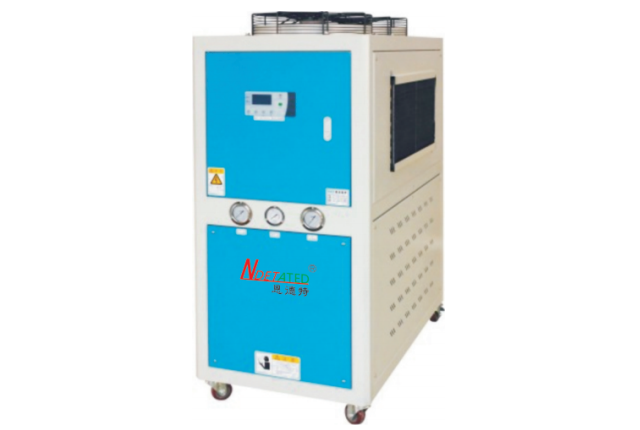
There are various types of cooling systems suitable for the plastic industry, including chillers, cooling towers, and heat exchangers. Chillers, for instance, are commonly utilized to lower the temperature of water or other fluids circulating through the production equipment. These systems can be tailored to meet specific cooling requirements, making them a versatile choice for plastic manufacturing.
Cooling towers, on the other hand, serve to dissipate excess heat from the production process. By harnessing ambient air, they efficiently cool water used in various applications, such as injection molding or extrusion processes. Implementing a well-designed cooling tower system can significantly enhance energy efficiency, resulting in reduced operational costs.
Heat exchangers also play a crucial role in process cooling equipment, allowing for the transfer of heat between two or more fluids without mixing them. This technology is particularly beneficial in applications where maintaining fluid purity is essential, such as in food-grade plastics. By utilizing heat exchangers, manufacturers can optimize their cooling processes while minimizing water and energy consumption.
Moreover, the integration of process cooling equipment can lead to enhanced productivity. By maintaining stable temperatures, manufacturers can reduce downtime caused by overheating, thereby increasing overall efficiency. Additionally, consistent cooling supports smoother production cycles and minimizes waste, contributing to a more sustainable operation.
In conclusion, process cooling equipment is indispensable in the plastic industry, providing critical temperature regulation that enhances product quality, supports energy efficiency, and promotes operational sustainability. By choosing the right cooling solutions, manufacturers can optimize their processes and ensure the production of superior plastic products. Investing in advanced cooling technologies not only benefits the production line but also aligns with the industry's growing emphasis on environmental responsibility.
Process cooling equipment primarily serves to regulate temperatures during the production of plastic materials, which can be sensitive to heat. Excessive temperatures can lead to issues such as degradation of materials, dimensional inaccuracies, and overall compromised product quality. By implementing effective cooling solutions, manufacturers can maintain optimal processing temperatures, thereby ensuring that the physical and chemical properties of plastics are preserved.
There are various types of cooling systems suitable for the plastic industry, including chillers, cooling towers, and heat exchangers. Chillers, for instance, are commonly utilized to lower the temperature of water or other fluids circulating through the production equipment. These systems can be tailored to meet specific cooling requirements, making them a versatile choice for plastic manufacturing.
Cooling towers, on the other hand, serve to dissipate excess heat from the production process. By harnessing ambient air, they efficiently cool water used in various applications, such as injection molding or extrusion processes. Implementing a well-designed cooling tower system can significantly enhance energy efficiency, resulting in reduced operational costs.
Heat exchangers also play a crucial role in process cooling equipment, allowing for the transfer of heat between two or more fluids without mixing them. This technology is particularly beneficial in applications where maintaining fluid purity is essential, such as in food-grade plastics. By utilizing heat exchangers, manufacturers can optimize their cooling processes while minimizing water and energy consumption.
Moreover, the integration of process cooling equipment can lead to enhanced productivity. By maintaining stable temperatures, manufacturers can reduce downtime caused by overheating, thereby increasing overall efficiency. Additionally, consistent cooling supports smoother production cycles and minimizes waste, contributing to a more sustainable operation.
In conclusion, process cooling equipment is indispensable in the plastic industry, providing critical temperature regulation that enhances product quality, supports energy efficiency, and promotes operational sustainability. By choosing the right cooling solutions, manufacturers can optimize their processes and ensure the production of superior plastic products. Investing in advanced cooling technologies not only benefits the production line but also aligns with the industry's growing emphasis on environmental responsibility.
Hot Tags:
Contact Us
E-mail:
celine@jsntp.com
Phone:
86-18913523538
Address:
Building 3, Wanyang Zhongchuang City, No. 99 Hongfu Road, Libao Town, Hai'an City, Nantong City, Jiangsu Province
Contact Information
Phone: 8618550003508
Add: Building 3, Wanyang Zhongchuang City, No. 99 Hongfu Road, Libao Town, Hai'an City, Nantong City, Jiangsu Province

Request Quote