
How Water/Oil Dual Mold Temperature Controllers Improve Product Quality
Jun 01,2026
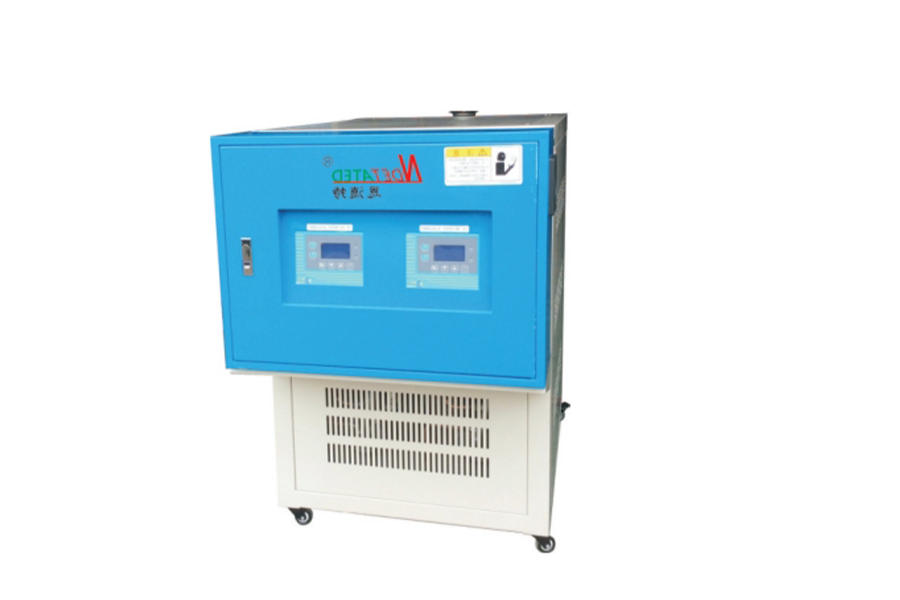
Understanding Water/Oil Dual Mold Temperature Controllers
Water/oil dual mold temperature controllers are critical components in the manufacturing sector, particularly in processes that require precise temperature management. These systems utilize both water and oil as heat transfer fluids, allowing for more effective temperature regulation during the mold process. The ability to switch between these two mediums offers unique advantages that enhance product quality while optimizing energy consumption.
The Importance of Temperature Control in Manufacturing
Temperature control is vital in various manufacturing processes, including injection molding, blow molding, and die casting. Inconsistent temperatures can lead to defects such as warping, incomplete curing, and overall reduced mechanical strength of the final product. **Achieving stable temperatures** ensures uniformity in product quality, which is essential for meeting industry standards and customer expectations.
How Dual Temperature Controllers Operate
Dual mold temperature controllers work by circulating **heated or cooled fluids** through molds. The system can switch between water and oil depending on the required temperature range. Water is typically used for lower temperatures due to its high thermal conductivity, whereas oil is preferred for higher temperatures due to its ability to maintain stable heat transfer without vaporization.
The Mechanism of Operation
1. **Temperature Sensors**: These devices monitor the temperature of the mold in real-time.
2. **Control Units**: Based on sensor readings, control units adjust the flow of water or oil to maintain the desired temperature.
3. **Heat Exchangers**: These components facilitate efficient heat transfer between the fluid and the mold.
4. **Pumps**: Pumps circulate the fluids through the system, ensuring consistent temperature distribution.
Advantages of Water/Oil Dual Mold Temperature Controllers
The implementation of dual mold temperature controllers offers numerous advantages that can significantly improve product quality.
Enhanced Temperature Stability
**Temperature stability** is crucial for achieving uniformity in product properties. Dual controllers provide **precise temperature management**, reducing the risk of temperature fluctuations that often lead to defects.
Improved Product Quality
By maintaining optimal mold temperatures, these controllers help reduce defects such as surface imperfections and internal stresses. This results in products with better aesthetics and mechanical properties, ultimately leading to higher customer satisfaction.
Energy Efficiency
Dual mold temperature controllers are designed with energy savings in mind. The ability to utilize water at lower temperatures reduces energy consumption, while oil can effectively handle higher temperatures, further enhancing efficiency. Manufacturers can expect a **reduction in operational costs** associated with heating and cooling.
Cost-Effectiveness
Investing in dual temperature controllers may seem daunting initially; however, the long-term savings and improved product quality often outweigh the initial costs. Reduced waste, higher throughput, and fewer reworks contribute to a more profitable manufacturing process.
Applications of Water/Oil Dual Mold Temperature Controllers
The versatility of these controllers makes them suitable for various applications across multiple industries.
Injection Molding
In injection molding, maintaining precise temperatures is key to ensuring consistent product quality. The use of dual controllers allows manufacturers to optimize cooling times and reduce cycle times, leading to greater efficiency on the production floor.
Blow Molding
Blow molding processes benefit from dual temperature control as well. Consistent mold temperatures lead to better wall thickness distribution and fewer defects in the final product.
Die Casting
In die casting, temperature control is crucial for achieving the desired mechanical properties of metals. Dual controllers enable manufacturers to achieve optimal temperatures, facilitating better filling and reduced porosity in cast parts.
Choosing the Right Water/Oil Dual Mold Temperature Controller
Selecting the appropriate controller can be challenging given the variety of options available. Here are some key factors to consider:
Temperature Range
Identify the temperature range required for your specific processes. Different industries may demand varying temperature capabilities, and ensuring your controller meets these needs is crucial.
Fluid Compatibility
Ensure that the materials used in the controller are compatible with the fluids being utilized. This can prevent corrosion and extend the lifespan of the equipment.
Control Precision
Look for controllers equipped with advanced control systems that allow for fine-tuning of temperatures. **PID (Proportional-Integral-Derivative)** control systems are particularly effective in achieving high accuracy in temperature management.
Maintenance and Troubleshooting
Regular maintenance and proactive troubleshooting are vital for ensuring the longevity and efficiency of dual mold temperature controllers.
Routine Inspections
Conduct routine inspections to check for leaks, corrosion, or wear and tear. Addressing issues promptly can prevent significant downtime and costly repairs.
Fluid Management
Keep an eye on fluid levels and quality. **Dirty or degraded fluids can impede heat transfer efficiency**, leading to temperature fluctuations.
Common Issues and Solutions
1. **Inaccurate Temperature Readings**: Check and calibrate sensors regularly to ensure accuracy.
2. **Fluid Leaks**: Inspect seals and fittings for damage, replacing them as necessary.
3. **Overheating**: Ensure that the cooling system is functioning correctly and that there are no blockages in the lines.
Future Trends in Mold Temperature Control Technology
As technology advances, we can anticipate new trends in mold temperature control. Innovations such as smart sensors and machine learning are paving the way for more intuitive systems that can self-optimize based on real-time data.
Integration with IoT (Internet of Things)
The integration of IoT technology in temperature control systems will allow for remote monitoring and management, enabling manufacturers to make real-time adjustments from anywhere.
Data-Driven Insights
Future systems may utilize big data analytics to provide insights into production processes, helping manufacturers identify trends and optimize operations for improved quality and efficiency.
FAQs
1. What is a dual mold temperature controller?
A dual mold temperature controller is a device that regulates the temperature of molds using both water and oil as heat transfer fluids, optimizing the manufacturing process and improving product quality.
2. How does temperature affect product quality in manufacturing?
Temperature affects the physical and mechanical properties of materials. Inconsistent temperatures can lead to defects such as warping, poor surface finish, and compromised strength.
3. Can dual mold temperature controllers save energy costs?
Yes, by optimizing temperature management and reducing energy consumption related to heating and cooling, dual mold temperature controllers can lead to significant cost savings over time.
4. What industries benefit from using dual mold temperature controllers?
Industries such as automotive, consumer goods, and electronics, which rely on processes like injection molding, blow molding, and die casting, can greatly benefit from these technologies.
5. How do I properly maintain my dual mold temperature controller?
Regular inspections, fluid management, and calibration of sensors are essential for maintaining your dual mold temperature controller. Addressing any issues promptly can prevent costly downtime.
Conclusion
Water/oil dual mold temperature controllers play a pivotal role in enhancing product quality across various manufacturing processes. By understanding their operation, advantages, and applications, manufacturers can significantly improve efficiency and product consistency. As technology continues to evolve, staying informed about the latest advancements in temperature control will further empower manufacturers to meet the demands of an increasingly competitive market. Investing in these systems is not just about improving the bottom line—it's about delivering quality products that meet the needs and expectations of customers.
Hot Tags:
Contact Us
E-mail:
celine@jsntp.com
Phone:
86-18913523538
Address:
Building 3, Wanyang Zhongchuang City, No. 99 Hongfu Road, Libao Town, Hai'an City, Nantong City, Jiangsu Province
Contact Information
Phone: 8618550003508
Add: Building 3, Wanyang Zhongchuang City, No. 99 Hongfu Road, Libao Town, Hai'an City, Nantong City, Jiangsu Province

Request Quote