
Transform Your Cooling System: The Advantages of Energy Efficient Air Cooled Chillers
May 26,2026
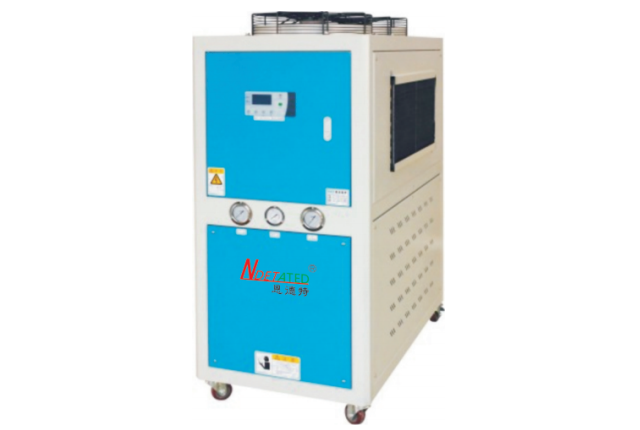
Transform Your Cooling System: The Advantages of Energy Efficient Air Cooled Chillers
Table of Contents
- 1. Introduction to Energy Efficient Air Cooled Chillers
- 2. Understanding Air Cooled Chillers
- 3. Advantages of Energy Efficient Air Cooled Chillers
- 4. Installation and Maintenance Considerations
- 5. Real-World Case Studies
- 6. The Future of Cooling Technology
- 7. Conclusion
- 8. Frequently Asked Questions (FAQs)
1. Introduction to Energy Efficient Air Cooled Chillers
In an era where energy consumption and efficiency are at the forefront of industrial concerns, **energy-efficient air cooled chillers** emerge as a solution that not only caters to cooling requirements but also aligns with sustainability objectives. These chillers are designed to utilize air as the primary medium for heat exchange, offering a range of advantages over traditional cooling systems that rely on water or other coolants. By transforming your cooling system with these innovative units, businesses can achieve substantial operational benefits while reducing their environmental footprint.
2. Understanding Air Cooled Chillers
Air cooled chillers are essential components in various industrial applications, providing precise temperature control for process cooling, comfort cooling, and other refrigeration needs. Understanding their operation and types is crucial for appreciating their advantages.
2.1 How They Work
Air cooled chillers function by circulating a refrigerant through a closed loop system, absorbing heat from the liquid to be cooled and releasing it into the surrounding air. The process involves several key components, including:
- **Evaporator**: Absorbs heat from the process fluid, causing the refrigerant to evaporate.
- **Compressor**: Compresses the vaporized refrigerant, raising its pressure and temperature.
- **Condenser**: Releases heat from the refrigerant to the air, condensing it back into a liquid.
- **Expansion Valve**: Reduces the pressure of the refrigerant before it re-enters the evaporator.
This cycle continues, maintaining a consistent temperature for the cooled fluid.
2.2 Types of Air Cooled Chillers
There are several types of air cooled chillers, each designed to meet specific cooling requirements:
- **Scroll Chillers**: Known for their compact design and high efficiency, ideal for smaller applications.
- **Screw Chillers**: Suitable for larger facilities, offering robust performance and reliability.
- **Centrifugal Chillers**: Best for high-capacity cooling needs, providing excellent energy efficiency.
Each type has unique characteristics that make it suitable for different industrial environments.
3. Advantages of Energy Efficient Air Cooled Chillers
Energy efficient air cooled chillers provide numerous benefits that make them an attractive option for businesses looking to optimize their cooling systems.
3.1 Significant Energy Savings
One of the most compelling advantages of these chillers is their potential for **substantial energy savings**. By utilizing advanced technologies such as variable speed drives and high-efficiency compressors, these systems can significantly reduce electricity consumption. This translates to lower energy bills and a faster return on investment.
3.2 Reduced Environmental Impact
Energy efficient air cooled chillers are designed with sustainability in mind. By consuming less energy, they help to decrease greenhouse gas emissions associated with power generation. Furthermore, many modern chillers use environmentally friendly refrigerants that have a lower global warming potential, contributing to a greener planet.
3.3 Cost Efficiency
While the initial investment in energy efficient air cooled chillers may be higher than traditional systems, the long-term cost savings can be significant. Reduced energy bills, lower maintenance costs, and potential tax incentives for energy-efficient upgrades make these chillers a wise financial choice for businesses.
4. Installation and Maintenance Considerations
To maximize the performance and lifespan of energy efficient air cooled chillers, proper installation and maintenance are crucial.
4.1 Choosing the Right Unit
Selecting the right chiller involves assessing several factors, including:
- **Cooling Load Requirements**: Calculate the required cooling capacity based on your specific application.
- **Space Availability**: Ensure adequate space for installation and maintenance access.
- **Energy Efficiency Ratings**: Look for units with high energy efficiency ratings, such as EER (Energy Efficiency Ratio) and SEER (Seasonal Energy Efficiency Ratio).
Engaging with a professional HVAC contractor can help ensure the right choice is made.
4.2 Routine Maintenance
Regular maintenance is essential for ensuring optimal performance and longevity of your air cooled chiller. Recommended maintenance tasks include:
- Cleaning or replacing air filters to ensure proper airflow.
- Checking refrigerant levels and inspecting for leaks.
- Monitoring performance metrics to identify potential issues early.
- Scheduling periodic professional inspections.
Adhering to a regular maintenance schedule can prevent costly breakdowns and extend the operational life of the equipment.
5. Real-World Case Studies
Exploring real-world applications of energy efficient air cooled chillers can provide valuable insights into their effectiveness.
**Case Study 1: Manufacturing Facility**
A manufacturing facility upgraded to an energy efficient air cooled chiller, resulting in a 30% reduction in energy consumption. This upgrade not only lowered operational costs but also improved production efficiency due to better temperature control.
**Case Study 2: Commercial Building**
A commercial building implemented a new air cooled chiller system that utilized advanced control algorithms. As a result, the building saw a 25% decrease in energy costs and received recognition for sustainability efforts.
These case studies highlight the tangible benefits that energy efficient chillers can bring to various industries.
6. The Future of Cooling Technology
The cooling industry is rapidly evolving, with innovations aimed at improving efficiency and sustainability. Future trends include:
- **Integration with Smart Technology**: Utilizing IoT devices for real-time monitoring and control.
- **Advanced Refrigerants**: Development of new refrigerants that offer better efficiency and lower environmental impact.
- **Modular Chiller Systems**: Allowing for flexible and scalable cooling solutions tailored to specific needs.
As technology advances, the potential for energy efficient air cooled chillers will continue to grow, providing even more advantages for businesses.
7. Conclusion
In conclusion, energy efficient air cooled chillers represent a significant advancement in cooling technology, offering remarkable benefits in terms of energy savings, environmental impact, and cost efficiency. By understanding how these systems work and the advantages they provide, businesses can make informed decisions to enhance their cooling operations. Embracing this innovative technology not only contributes to a more sustainable future but also positions companies for greater success in an increasingly competitive landscape.
8. Frequently Asked Questions (FAQs)
- What are the main benefits of using energy efficient air cooled chillers?
- Energy savings, reduced environmental impact, and cost efficiency are among the primary benefits.
- How do I choose the right air cooled chiller for my business?
- Consider your cooling load requirements, space availability, and energy efficiency ratings when selecting a unit.
- What maintenance is required for air cooled chillers?
- Regular cleaning of air filters, checking refrigerant levels, and periodic professional inspections are essential maintenance tasks.
- Can energy efficient air cooled chillers reduce my cooling costs?
- Yes, these chillers can lead to significant reductions in energy bills due to their high efficiency.
- What is the lifespan of an air cooled chiller?
- With proper maintenance, air cooled chillers can last anywhere from 15 to 25 years, depending on the model and usage conditions.
Hot Tags:
Contact Us
E-mail:
celine@jsntp.com
Phone:
86-18913523538
Address:
Building 3, Wanyang Zhongchuang City, No. 99 Hongfu Road, Libao Town, Hai'an City, Nantong City, Jiangsu Province
Contact Information
Phone: 8618550003508
Add: Building 3, Wanyang Zhongchuang City, No. 99 Hongfu Road, Libao Town, Hai'an City, Nantong City, Jiangsu Province

Request Quote