
Why You Should Consider a Water Circulation Mold Temperature Controller for Your Business
Mar 21,2026
Why You Should Consider a Water Circulation Mold Temperature Controller for Your Business
As industries evolve, the demand for precision and efficiency in manufacturing processes continues to grow. One critical component that influences the quality and efficiency of production is temperature control. For businesses involved in molding processes, **water circulation mold temperature controllers** have emerged as vital tools. These devices play a significant role in maintaining optimal temperatures, ensuring quality, and enhancing operational efficiency.
This article will delve into the various aspects of water circulation mold temperature controllers, outlining why they are essential for businesses in the manufacturing sector.
Understanding Water Circulation Mold Temperature Controllers
Before exploring the benefits, it is crucial to understand what a water circulation mold temperature controller is and how it functions.
What is a Water Circulation Mold Temperature Controller?
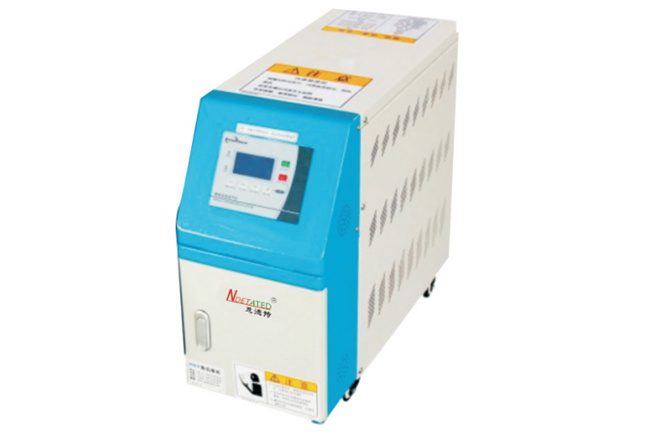
A **water circulation mold temperature controller** is a specialized device designed to manage the temperature of molds during manufacturing processes. It circulates water through the mold to maintain a consistent temperature, which is essential for achieving optimal results in molding applications.
How Do They Work?
These controllers function by using a closed-loop system. The device heats or cools water and pumps it through the mold. The temperature is monitored through a feedback system, allowing for real-time adjustments. This precise control over temperature can help mitigate issues such as warping, cracking, and inconsistent product quality.
The Importance of Temperature Control in Manufacturing
Temperature control is a critical factor in many manufacturing processes, particularly those involving polymers and other materials sensitive to heat.
Impact on Product Quality
**Inconsistent temperatures** can lead to defects in the finished product. By maintaining a steady temperature, manufacturers can reduce waste and improve the overall quality of their products.
Energy Efficiency
Effective temperature control can also lead to significant energy savings. By optimizing the heating and cooling cycles, businesses can reduce energy consumption, ultimately lowering operational costs.
Key Benefits of Using Water Circulation Mold Temperature Controllers
Implementing water circulation mold temperature controllers can offer a myriad of advantages to businesses.
1. Enhanced Product Quality
By maintaining stable temperatures, these controllers ensure that materials are processed uniformly. This uniformity leads to fewer defects, better finish, and increased product reliability.
2. Increased Production Efficiency
Consistent temperature control allows for faster cycle times. When molds reach the desired temperature quickly, production can continue without unnecessary delays. This efficiency translates to increased output and profitability.
3. Reduced Material Waste
When temperatures fluctuate, the risk of defective products increases. By using a water circulation mold temperature controller, businesses can minimize scrap and rework, thus reducing material waste and associated costs.
4. Improved Energy Savings
These controllers enhance energy efficiency by optimizing the heating and cooling processes. Many modern systems come equipped with energy-efficient features, which can result in substantial savings over time.
5. Versatility Across Multiple Applications
Water circulation mold temperature controllers are versatile devices suited for various applications, including injection molding, blow molding, and compression molding. Their adaptability makes them a valuable investment for businesses in different sectors.
Choosing the Right Water Circulation Mold Temperature Controller
Selecting the appropriate controller for your business requires careful consideration of several factors.
1. Assess Your Specific Needs
Evaluate your production processes and understand the temperature requirements of the materials you are working with. Different applications may necessitate different specifications.
2. Look for Advanced Features
Modern controllers come with various advanced features, such as digital displays, programmable settings, and remote monitoring capabilities. These features can enhance usability and efficiency.
3. Consider Energy Efficiency Ratings
When choosing a model, consider its energy efficiency. Look for units with high-efficiency ratings to ensure you are making a cost-effective investment.
Maintenance and Best Practices for Water Circulation Mold Temperature Controllers
To ensure longevity and optimal performance, regular maintenance of your water circulation mold temperature controller is essential.
1. Regular Inspections
Conduct routine inspections to identify any wear and tear. Look for leaks, corrosion, or other signs of damage that could affect performance.
2. Clean the System Frequently
Debris buildup can hinder the efficiency of your system. Regularly clean the water lines and the controller itself to prevent clogs and overheating.
3. Monitor Performance
Keep an eye on the system's performance, noting any fluctuations in temperature or inconsistencies in the output. Addressing these issues promptly can prevent larger problems down the line.
Common FAQs About Water Circulation Mold Temperature Controllers
1. What industries benefit most from water circulation mold temperature controllers?
Industries such as automotive, consumer goods, and electronics, which rely heavily on molding processes, benefit significantly from these controllers.
2. How do I know if my business needs a water circulation mold temperature controller?
If your production involves temperature-sensitive materials or you experience issues with product quality, it may be time to invest in a temperature controller.
3. Can I retrofit an existing system with a new controller?
Many modern water circulation mold temperature controllers can be integrated into existing systems, although it's essential to consult with a professional for compatibility.
4. Are there any safety concerns with these controllers?
Like any industrial equipment, operators should adhere to safety guidelines, including regular maintenance and proper training for personnel.
5. What is the typical lifespan of a water circulation mold temperature controller?
With proper maintenance, these controllers can last several years, typically ranging from 5 to 15 years, depending on usage and care.
Conclusion
Investing in a water circulation mold temperature controller is a vital step for businesses seeking to enhance their manufacturing processes. These advanced devices offer numerous benefits, including improved product quality, increased efficiency, reduced waste, and significant energy savings. By understanding your needs and choosing the right system, you can optimize your production capabilities and maintain a competitive edge in the industry. Embracing technology such as water circulation mold temperature controllers not only streamlines operations but also positions your business for long-term success.
Contact Us
E-mail:
celine@jsntp.com
Phone:
86-18913523538
Address:
Building 3, Wanyang Zhongchuang City, No. 99 Hongfu Road, Libao Town, Hai'an City, Nantong City, Jiangsu Province
Contact Information
Phone: 8618550003508
Add: Building 3, Wanyang Zhongchuang City, No. 99 Hongfu Road, Libao Town, Hai'an City, Nantong City, Jiangsu Province

Request Quote