
Maximizing Efficiency with Oil Heating Mold Temperature Units
Mar 16,2026
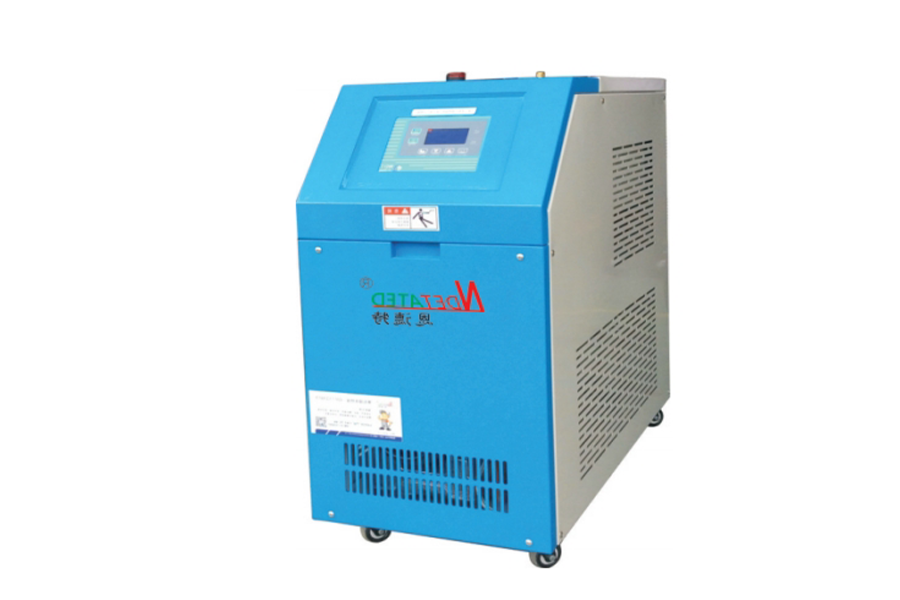
Oil heating mold temperature units play a crucial role in modern industrial processes, particularly in sectors such as plastic molding, die casting, and other applications that require precise temperature management. These units are designed to maintain the optimal temperature of molds, ensuring that materials are processed under ideal conditions. Proper temperature control is vital, as it influences the flow of materials, the quality of the final product, and the efficiency of the production process.
The primary function of an oil heating mold temperature unit is to heat and circulate thermal oil through the mold. This not only ensures uniform heating but also provides rapid temperature recovery. By precisely regulating mold temperatures, manufacturers can achieve consistent product quality and reduce cycle times. This is particularly important in industries where tolerances are tight, and variations can lead to defects or increased waste.
One of the key advantages of using oil heating mold temperature units is their ability to operate at higher temperatures compared to water-based systems. The thermal oil used can withstand elevated temperatures without vaporizing, allowing for more effective heat transfer and stability. This characteristic is especially beneficial for processes that require high melt temperatures or when using materials that are sensitive to thermal fluctuations.
When selecting an oil heating mold temperature unit, several factors should be considered. Firstly, the specific temperature range required for the process must be identified. Units are available with varying capacities and temperature settings, so it’s essential to choose one that aligns with your operational needs. Additionally, the flow rate of the thermal oil and the design of the heating elements can impact the system's overall efficiency. It's essential to select a unit that offers reliable performance and energy efficiency to optimize operational costs.
Furthermore, maintenance plays a vital role in the longevity and performance of these units. Regular checks on the thermal oil quality, system cleanliness, and operational parameters can prevent unforeseen issues and ensure that the unit operates at peak efficiency. Manufacturers should also consider the compatibility of thermal oils with their specific processes, as different oils have varying characteristics that can affect performance.
In conclusion, oil heating mold temperature units are an invaluable asset for industries requiring precise thermal management. By investing in high-quality units and adhering to best practices for operation and maintenance, manufacturers can enhance productivity, improve product quality, and ultimately, achieve better operational outcomes. Understanding the principles and benefits of these systems is essential for any professional involved in industrial manufacturing processes.
The primary function of an oil heating mold temperature unit is to heat and circulate thermal oil through the mold. This not only ensures uniform heating but also provides rapid temperature recovery. By precisely regulating mold temperatures, manufacturers can achieve consistent product quality and reduce cycle times. This is particularly important in industries where tolerances are tight, and variations can lead to defects or increased waste.
One of the key advantages of using oil heating mold temperature units is their ability to operate at higher temperatures compared to water-based systems. The thermal oil used can withstand elevated temperatures without vaporizing, allowing for more effective heat transfer and stability. This characteristic is especially beneficial for processes that require high melt temperatures or when using materials that are sensitive to thermal fluctuations.
When selecting an oil heating mold temperature unit, several factors should be considered. Firstly, the specific temperature range required for the process must be identified. Units are available with varying capacities and temperature settings, so it’s essential to choose one that aligns with your operational needs. Additionally, the flow rate of the thermal oil and the design of the heating elements can impact the system's overall efficiency. It's essential to select a unit that offers reliable performance and energy efficiency to optimize operational costs.
Furthermore, maintenance plays a vital role in the longevity and performance of these units. Regular checks on the thermal oil quality, system cleanliness, and operational parameters can prevent unforeseen issues and ensure that the unit operates at peak efficiency. Manufacturers should also consider the compatibility of thermal oils with their specific processes, as different oils have varying characteristics that can affect performance.
In conclusion, oil heating mold temperature units are an invaluable asset for industries requiring precise thermal management. By investing in high-quality units and adhering to best practices for operation and maintenance, manufacturers can enhance productivity, improve product quality, and ultimately, achieve better operational outcomes. Understanding the principles and benefits of these systems is essential for any professional involved in industrial manufacturing processes.
Hot Tags:
Contact Us
E-mail:
celine@jsntp.com
Phone:
86-18913523538
Address:
Building 3, Wanyang Zhongchuang City, No. 99 Hongfu Road, Libao Town, Hai'an City, Nantong City, Jiangsu Province
Contact Information
Phone: 8618550003508
Add: Building 3, Wanyang Zhongchuang City, No. 99 Hongfu Road, Libao Town, Hai'an City, Nantong City, Jiangsu Province

Request Quote