
The Ultimate Guide to Water/Oil Dual Mold Temperature Controllers in Industrial Applications
Mar 11,2026
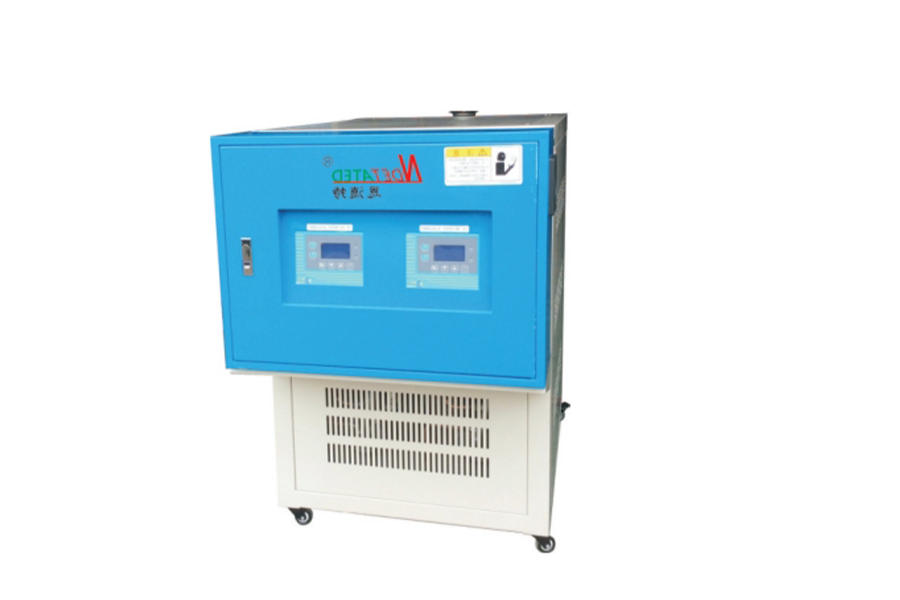
The Ultimate Guide to Water/Oil Dual Mold Temperature Controllers in Industrial Applications
Table of Contents
- Introduction to Dual Mold Temperature Controllers
- What Are Water/Oil Dual Mold Temperature Controllers?
- The Importance of Temperature Control in Industrial Processes
- How Dual Mold Temperature Controllers Work
- Applications of Dual Mold Temperature Controllers in Industry
- Benefits of Using Dual Mold Temperature Controllers
- Installation and Setup of Dual Mold Temperature Controllers
- Maintenance and Troubleshooting
- The Future of Dual Mold Temperature Controllers
- Frequently Asked Questions
- Conclusion
Introduction to Dual Mold Temperature Controllers
In the realm of industrial applications, maintaining optimal temperature is crucial for enhancing productivity and ensuring product quality. Water/oil dual mold temperature controllers play a pivotal role in achieving this objective. These sophisticated devices enable precise temperature management, which is paramount in diverse sectors such as plastics, automotive, and food processing.
What Are Water/Oil Dual Mold Temperature Controllers?
Water/oil dual mold temperature controllers are advanced systems designed to regulate temperature in molds using both water and oil as heat transfer mediums. By leveraging the unique thermal properties of each fluid, these controllers provide enhanced temperature control, which is essential for processes like injection molding and die-casting.
Key Components of Dual Mold Temperature Controllers
1. **Heating and Cooling Units**: These units manage the temperature by circulating the heating or cooling medium.
2. **Temperature Sensors**: Precise sensors monitor the temperature within the mold, ensuring accurate readings.
3. **Control Panel**: The interface allows operators to set desired temperatures and monitor system performance.
4. **Pumps**: Essential for circulating water and oil through the system, ensuring uniform temperature distribution.
The Importance of Temperature Control in Industrial Processes
Temperature control is fundamental in industrial processes for several reasons:
Enhancing Product Quality
Maintaining consistent temperature prevents defects in manufactured products. For instance, in molding processes, uneven cooling can lead to warping or poor surface finishes.
Increasing Efficiency
Proper temperature management can significantly reduce cycle times. By ensuring quick heating and cooling, businesses can enhance their throughput.
Minimizing Energy Consumption
Efficient temperature control systems reduce energy waste. By optimizing the heating and cooling processes, companies can achieve lower operational costs.
How Dual Mold Temperature Controllers Work
The operation of water/oil dual mold temperature controllers involves several steps:
Fluid Circulation
These systems utilize pumps to circulate water and oil through the mold. While water provides rapid heat transfer, oil can maintain higher temperatures, making it suitable for different stages of the process.
Temperature Regulation
Temperature sensors provide real-time data to the control panel, allowing for precise adjustments. This ensures that the mold maintains the desired temperature throughout the operation.
Feedback Mechanism
A closed-loop system enables continuous monitoring and adjustments. If the temperature deviates from the setpoint, the controller automatically adjusts the flow rates or heating elements to correct it.
Applications of Dual Mold Temperature Controllers in Industry
Water/oil dual mold temperature controllers are versatile and find applications across various industries:
Plastics Manufacturing
In injection molding, maintaining the right temperature is critical to ensuring that plastic parts are formed accurately without defects.
Automotive Industry
These controllers are used to maintain the required temperatures during the production of components, enhancing their performance and durability.
Food Processing
Temperature control is vital in food processing to ensure safety and quality, making dual mold temperature controllers essential in this sector.
Benefits of Using Dual Mold Temperature Controllers
Integrating dual mold temperature controllers into industrial processes offers numerous advantages:
Improved Temperature Accuracy
Dual systems allow for more precise temperature control, leading to better product quality.
Versatility
With the ability to use both water and oil, these controllers can be optimized for various application requirements.
Reduced Downtime
Efficient temperature regulation minimizes issues that can lead to production downtime, thereby enhancing overall productivity.
Installation and Setup of Dual Mold Temperature Controllers
Implementing a water/oil dual mold temperature controller requires careful planning and execution:
Site Assessment
Before installation, assess the site to determine the optimal location for the controller and associated piping.
Connection of Components
Connect the heating/cooling units, pumps, and sensors according to the manufacturer's specifications to ensure proper functionality.
System Testing
After installation, conduct thorough testing to verify that the system operates correctly and maintains the desired temperature ranges.
Maintenance and Troubleshooting
To ensure longevity and optimal performance of dual mold temperature controllers, regular maintenance is crucial:
Routine Maintenance Tasks
- **Check Fluid Levels**: Regularly inspect and refill water and oil levels as needed.
- **Clean Filters**: Keep filters clean to prevent blockages and ensure efficient fluid circulation.
- **Inspect Sensors**: Periodically check temperature sensors for accuracy and functionality.
Troubleshooting Common Issues
1. **Temperature Fluctuations**: Verify sensor accuracy and check for leaks in the system.
2. **Fluid Leaks**: Inspect all connections to identify and repair any leaks promptly.
3. **Pump Failures**: Regularly check pump operations and replace worn components as necessary.
The Future of Dual Mold Temperature Controllers
As technology advances, dual mold temperature controllers are expected to become even more sophisticated:
Integration with IoT
Future systems may integrate with IoT technologies, allowing for remote monitoring and control, enhancing operational efficiency.
Smart Analytics
The implementation of smart analytics will enable predictive maintenance, reducing the likelihood of unexpected failures.
Energy Efficiency Improvements
Continued advancements in materials and design will likely lead to even more energy-efficient systems, further reducing operational costs.
Frequently Asked Questions
1. What is the primary advantage of using dual mold temperature controllers?
The primary advantage is enhanced temperature control through the use of both water and oil, allowing for optimized performance across various applications.
2. Can dual mold temperature controllers be used in all industrial processes?
While they are versatile, their use is most beneficial in processes requiring precise temperature control, such as injection molding and die-casting.
3. How do I choose the right dual mold temperature controller for my application?
Consider factors such as the specific temperature ranges needed, the nature of the materials being processed, and the required flow rates.
4. What maintenance is required for dual mold temperature controllers?
Routine maintenance includes checking fluid levels, cleaning filters, inspecting sensors, and ensuring the pumps are functioning correctly.
5. Are there any safety concerns with dual mold temperature controllers?
Yes, it’s essential to follow safety protocols, including managing pressure levels and ensuring proper fluid handling to prevent accidents.
Conclusion
Water/oil dual mold temperature controllers are indispensable in today’s industrial landscape, offering unparalleled temperature management capabilities. Their ability to maintain precise temperature ranges not only enhances product quality and operational efficiency but also supports energy conservation. As technology continues to evolve, we can expect these systems to incorporate even more advanced features, making them a wise investment for businesses aiming to optimize their processes. By understanding their functionality, applications, and maintenance requirements, organizations can fully leverage the benefits of dual mold temperature controllers, securing a competitive edge in their respective industries.
Hot Tags:
Contact Us
E-mail:
celine@jsntp.com
Phone:
86-18913523538
Address:
Building 3, Wanyang Zhongchuang City, No. 99 Hongfu Road, Libao Town, Hai'an City, Nantong City, Jiangsu Province
Contact Information
Phone: 8618550003508
Add: Building 3, Wanyang Zhongchuang City, No. 99 Hongfu Road, Libao Town, Hai'an City, Nantong City, Jiangsu Province

Request Quote