
Understanding Compact Mold Temperature Controller Units: A Key Component in Industrial Cooling Systems
Mar 26,2026
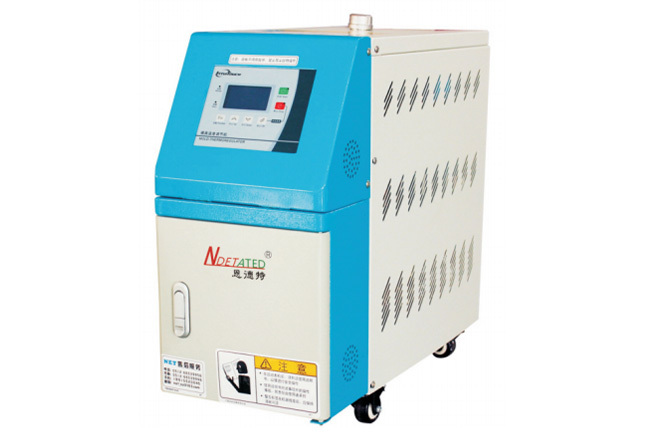
Compact mold temperature controller units are essential tools in the realm of industrial equipment, particularly for cooling systems such as chillers. These devices play a critical role in maintaining stable temperature conditions during the molding process, which is vital for producing high-quality products. The primary function of a compact mold temperature controller unit is to regulate the temperature of molds to ensure uniform cooling and heating, thereby minimizing defects and improving the overall efficiency of the production line.
One of the standout features of compact mold temperature controller units is their design. These units are engineered to save space without compromising performance. Their compact size allows for easy integration into existing machinery and production layouts, making them an ideal choice for facilities with limited space. Furthermore, their portability enhances flexibility, enabling manufacturers to reposition them as needed to accommodate changing production requirements.
Another significant advantage of these temperature controller units is their advanced control systems. Most modern units are equipped with precise temperature sensors and intelligent control algorithms that ensure accurate and responsive temperature management. This level of control allows manufacturers to fine-tune their processes, ensuring that the molds maintain the desired temperature range throughout the cycle. This precision not only enhances product quality but also optimizes energy consumption, contributing to more sustainable manufacturing practices.
In addition to temperature regulation, compact mold temperature controller units often incorporate features such as alarms and monitoring systems. These systems provide real-time feedback and alerts for any deviations from the set parameters, enabling operators to take immediate corrective actions. This proactive approach not only reduces the risk of costly production errors but also enhances overall process reliability.
Moreover, the versatility of compact mold temperature controller units makes them suitable for a wide range of applications, from plastics and rubber processing to metal casting. Their ability to manage varying thermal loads and respond to different cooling requirements makes them invaluable in diverse manufacturing environments.
In conclusion, compact mold temperature controller units are pivotal in optimizing industrial cooling systems. Their space-saving design, advanced control capabilities, and versatility make them essential for manufacturers aiming to enhance product quality and operational efficiency. By investing in these units, companies can ensure that their molding processes are not only efficient but also conducive to high-quality output, ultimately leading to greater customer satisfaction and competitive advantage in the market.
One of the standout features of compact mold temperature controller units is their design. These units are engineered to save space without compromising performance. Their compact size allows for easy integration into existing machinery and production layouts, making them an ideal choice for facilities with limited space. Furthermore, their portability enhances flexibility, enabling manufacturers to reposition them as needed to accommodate changing production requirements.
Another significant advantage of these temperature controller units is their advanced control systems. Most modern units are equipped with precise temperature sensors and intelligent control algorithms that ensure accurate and responsive temperature management. This level of control allows manufacturers to fine-tune their processes, ensuring that the molds maintain the desired temperature range throughout the cycle. This precision not only enhances product quality but also optimizes energy consumption, contributing to more sustainable manufacturing practices.
In addition to temperature regulation, compact mold temperature controller units often incorporate features such as alarms and monitoring systems. These systems provide real-time feedback and alerts for any deviations from the set parameters, enabling operators to take immediate corrective actions. This proactive approach not only reduces the risk of costly production errors but also enhances overall process reliability.
Moreover, the versatility of compact mold temperature controller units makes them suitable for a wide range of applications, from plastics and rubber processing to metal casting. Their ability to manage varying thermal loads and respond to different cooling requirements makes them invaluable in diverse manufacturing environments.
In conclusion, compact mold temperature controller units are pivotal in optimizing industrial cooling systems. Their space-saving design, advanced control capabilities, and versatility make them essential for manufacturers aiming to enhance product quality and operational efficiency. By investing in these units, companies can ensure that their molding processes are not only efficient but also conducive to high-quality output, ultimately leading to greater customer satisfaction and competitive advantage in the market.
Hot Tags:
Contact Us
E-mail:
celine@jsntp.com
Phone:
86-18913523538
Address:
Building 3, Wanyang Zhongchuang City, No. 99 Hongfu Road, Libao Town, Hai'an City, Nantong City, Jiangsu Province
Contact Information
Phone: 8618550003508
Add: Building 3, Wanyang Zhongchuang City, No. 99 Hongfu Road, Libao Town, Hai'an City, Nantong City, Jiangsu Province

Request Quote