
Enhancing Efficiency: The Role of Injection Molding Auxiliary Equipment in Construction
Sep 08,2025

Enhancing Efficiency: The Role of Injection Molding Auxiliary Equipment in Construction
Table of Contents
- 1. Introduction to Injection Molding in Construction
- 2. Importance of Auxiliary Equipment in Injection Molding
- 3. Types of Injection Molding Auxiliary Equipment
- 4. How Auxiliary Equipment Enhances Efficiency
- 5. Applications of Injection Molding in Construction
- 6. Benefits of Using Injection Molding Auxiliary Equipment
- 7. Challenges in Implementing Auxiliary Equipment
- 8. The Future of Injection Molding in Construction
- 9. FAQs about Injection Molding Auxiliary Equipment
- 10. Conclusion
1. Introduction to Injection Molding in Construction
Injection molding has emerged as a pivotal manufacturing process in the construction industry. This technology allows for the fast and efficient production of complex components utilized in various building applications. With the demand for sustainable and innovative construction materials on the rise, injection molding techniques have evolved, integrating advanced auxiliary equipment to optimize production. Auxiliary equipment plays a crucial role in enhancing the efficiency, quality, and consistency of the molded products, ultimately leading to significant improvements in construction timelines and costs.
2. Importance of Auxiliary Equipment in Injection Molding
The integration of auxiliary equipment in the injection molding process cannot be overstated. These tools are vital for supporting a seamless production flow, reducing downtime, and enhancing overall product quality. Auxiliary equipment encompasses a range of devices, including material handling systems, temperature control units, drying systems, and more. Each of these pieces of equipment contributes to a smoother manufacturing process by ensuring that materials are prepared correctly and that the molding process runs efficiently.
2.1 Reducing Waste and Improving Efficiency
By utilizing auxiliary equipment, manufacturers can significantly reduce material waste. Proper material handling systems minimize the chances of spillage and degradation, ensuring that every component produced meets high-quality standards. Additionally, efficient temperature control systems ensure that the molding process is consistent and precise, resulting in fewer defects and a higher yield of usable products.
2.2 Enhancing Quality Control
Quality control is essential in construction, where the integrity of materials can impact the safety and durability of structures. Auxiliary equipment helps maintain strict quality control measures throughout the injection molding process. By monitoring conditions such as humidity and temperature, manufacturers can ensure that the materials used are optimal for production, leading to improved consistency and reliability in the end products.
3. Types of Injection Molding Auxiliary Equipment
There are several types of auxiliary equipment commonly used in conjunction with injection molding machines. Understanding these technologies can help construction professionals make informed decisions about their manufacturing processes.
3.1 Material Handling Systems
Material handling systems are essential for transporting and feeding raw materials into the injection molding machine. These systems can include conveyors, hoppers, and vacuum loaders that ensure a steady and efficient flow of materials. By automating the feeding process, manufacturers can reduce labor costs and minimize the risk of human error.
3.2 Temperature Control Units
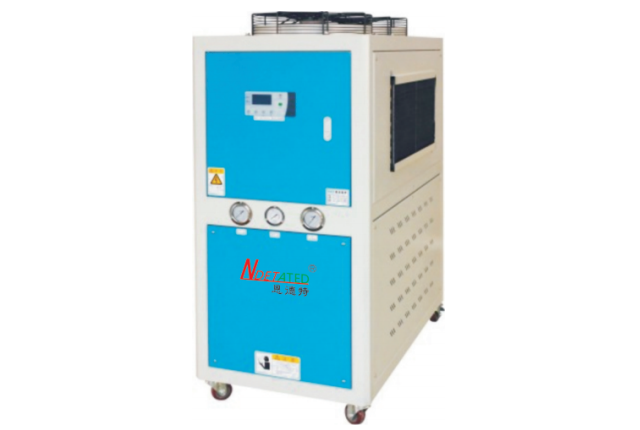
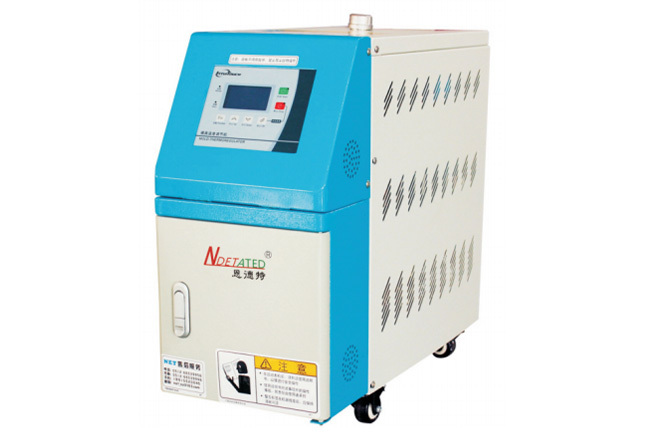
Temperature control units are critical for maintaining the optimal temperature during the injection molding process. These units can heat or cool materials as needed to ensure that they are in the best condition for molding. Effective temperature control can reduce cycle times and improve product quality.
3.3 Drying Systems
Moisture content can significantly affect the performance of materials used in injection molding. Drying systems help eliminate excess moisture from materials before they are molded, ensuring that the final products are free from defects caused by moisture-related issues.
3.4 Cooling Systems
Cooling systems are equally important in the injection molding process. Once materials are injected into molds, they need to cool to solidify properly. Efficient cooling systems help reduce cycle times and improve the overall efficiency of the molding process.
3.5 Robots and Automation
The integration of robotics and automation in injection molding processes has revolutionized productivity in the construction sector. Automated systems can handle repetitive tasks, such as loading and unloading molds, thereby increasing efficiency and allowing human operators to focus on more complex tasks.
4. How Auxiliary Equipment Enhances Efficiency
Auxiliary equipment not only supports the core injection molding process but also enhances its overall efficiency by streamlining operations and reducing bottlenecks. Let's delve deeper into the functionalities of these systems.
4.1 Streamlined Production Processes
With automated material handling and drying systems, production processes become more streamlined. This reduces the time spent on manual labor and allows for quicker turnaround times. By minimizing downtime and ensuring steady material flow, manufacturers can significantly increase output.
4.2 Improved Cycle Times
Auxiliary equipment optimizes cycle times through precise temperature management and efficient cooling processes. This results in faster molding cycles and increased productivity, allowing manufacturers to meet tight deadlines without sacrificing quality.
4.3 Consistency in Product Quality
By leveraging advanced temperature control and material handling systems, manufacturers ensure consistent conditions for every molding cycle. This consistency leads to higher-quality products, which is essential in the construction industry, where material failures can have serious consequences.
4.4 Enhanced Worker Safety
Automation and advanced equipment reduce the need for manual labor in hazardous environments, thus improving worker safety. By minimizing physical interactions with heavy materials and equipment, manufacturers can create a safer workplace, which is vital for maintaining a productive workforce.
5. Applications of Injection Molding in Construction
The versatility of injection molding, paired with auxiliary equipment, has opened up numerous applications within the construction industry. Here are some of the key areas where injection molding is making a significant impact.
5.1 Production of Building Components
Injection molding is widely used to create various components such as window frames, door frames, and plumbing fixtures. These components require precise dimensions and often need to meet specific structural standards. The efficiency gained through auxiliary equipment ensures that these components are produced quickly and at a high level of quality.
5.2 Fabrication of Insulation Materials
Insulation materials are crucial for energy efficiency in buildings. Injection molding allows for the rapid production of insulation components that fit seamlessly into building designs. Auxiliary equipment ensures that these materials are produced with the right properties for maximum thermal performance.
5.3 Custom Molded Parts
Many construction projects require custom parts that are not readily available on the market. Injection molding allows for the quick fabrication of these customized components, meeting the specific needs of each project. Auxiliary equipment aids in ensuring that these parts are produced efficiently without compromising on quality.
6. Benefits of Using Injection Molding Auxiliary Equipment
Investing in injection molding auxiliary equipment brings numerous benefits to construction manufacturers. Here are the most significant advantages.
6.1 Cost Reduction
By increasing production efficiency and reducing waste, auxiliary equipment helps manufacturers lower their overall production costs. The initial investment in these systems can quickly pay off through savings in labor and material costs.
6.2 Increased Production Capacity
With enhanced efficiency and reduced cycle times, manufacturers can increase their production capacity. This is particularly beneficial for meeting the growing demand for construction materials in a rapidly expanding market.
6.3 Improved Sustainability
Sustainable construction practices are becoming increasingly important. By optimizing material usage and reducing waste, injection molding with auxiliary equipment supports environmentally friendly production practices, aligning with global sustainability goals.
6.4 Competitive Advantage
Manufacturers that leverage advanced injection molding techniques and auxiliary equipment position themselves as leaders in the market. The ability to produce high-quality materials quickly and efficiently provides a competitive edge in the construction industry.
7. Challenges in Implementing Auxiliary Equipment
While the benefits of auxiliary equipment in injection molding are clear, there are challenges to consider when implementing these systems.
7.1 Initial Investment Costs
The upfront costs of purchasing and installing advanced auxiliary equipment can be significant. Manufacturers must weigh these costs against the potential long-term savings and efficiency gains.
7.2 Training and Skill Development
With the introduction of new technology comes the need for training. Workforce development is crucial to ensure that employees are skilled in using new equipment efficiently and safely.
7.3 Maintenance and Upkeep
Regular maintenance of auxiliary equipment is necessary to prevent downtime and ensure consistent performance. Manufacturers must have a plan in place for routine maintenance and repairs.
8. The Future of Injection Molding in Construction
The future of injection molding in the construction industry looks promising, driven by advancements in technology and increasing demand for efficient production methods. As manufacturers continue to adopt automation and integrate smart technologies into their processes, we can expect to see even greater enhancements in efficiency and quality.
8.1 Adoption of Smart Technologies
Smart technologies, including IoT (Internet of Things) integration, will allow manufacturers to monitor production processes in real-time. This data-driven approach will lead to more informed decision-making and further optimization of the injection molding process.
8.2 Sustainability Initiatives
As sustainability becomes a core focus in the construction industry, manufacturers will increasingly seek out eco-friendly materials and processes. Injection molding, supported by auxiliary equipment, will play a crucial role in developing sustainable construction practices.
9. FAQs about Injection Molding Auxiliary Equipment
9.1 What is injection molding?
Injection molding is a manufacturing process used to create parts by injecting molten material into a mold. It is commonly used in various industries, including construction, to produce high-quality components quickly and efficiently.
9.2 What types of materials can be used in injection molding?
Common materials used in injection molding include thermoplastics, thermosetting plastics, and elastomers. Each material has its unique properties suited for different applications in construction.
9.3 How does auxiliary equipment improve the injection molding process?
Auxiliary equipment enhances the injection molding process by streamlining production, maintaining optimal conditions for molding, reducing waste, and improving product quality.
9.4 What are the costs associated with implementing auxiliary equipment?
The costs can vary widely based on the type of equipment, installation expenses, and ongoing maintenance. However, many manufacturers find that the long-term savings and efficiency gains justify the initial investments.
9.5 Will automation replace human labor in the injection molding process?
While automation can streamline many repetitive tasks, human oversight and expertise remain essential for quality control and decision-making in the injection molding process.
10. Conclusion
Injection molding, supported by robust auxiliary equipment, represents a transformative force in the construction industry. By enhancing efficiency, reducing waste, and ensuring product quality, these technologies pave the way for the future of manufacturing in construction. As we move forward, the adoption of advanced technologies and a focus on sustainability will further solidify the role of injection molding in delivering innovative solutions for building construction. Embracing these advancements will not only benefit manufacturers but also contribute to a more sustainable future for the industry as a whole.
Hot Tags:
Contact Us
E-mail:
celine@jsntp.com
Phone:
86-18913523538
Address:
Building 3, Wanyang Zhongchuang City, No. 99 Hongfu Road, Libao Town, Hai'an City, Nantong City, Jiangsu Province
Contact Information
Phone: 8618550003508
Add: Building 3, Wanyang Zhongchuang City, No. 99 Hongfu Road, Libao Town, Hai'an City, Nantong City, Jiangsu Province

Request Quote