
Understanding Lab Chiller Units: Essential Insights for Industrial Applications
Sep 12,2025

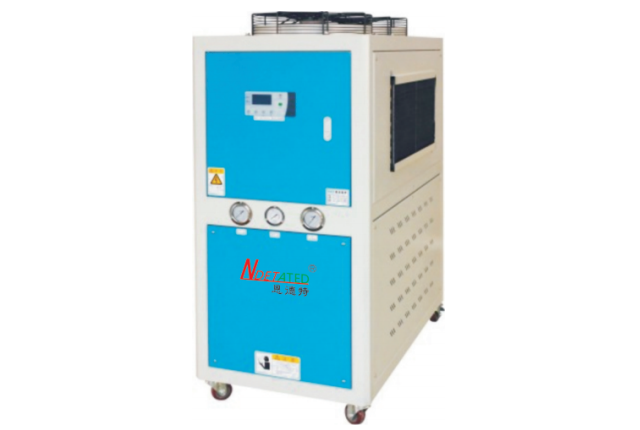
Lab chiller units are essential components in various industrial applications, particularly in laboratories and manufacturing environments where precise temperature control is crucial. These units are designed to remove heat from equipment, processes, or fluids, ensuring optimal operating conditions and protecting sensitive materials from thermal damage.
The operation of a lab chiller unit typically involves a closed-loop system where refrigerants are cycled through a series of processes. The key components include a compressor, condenser, expansion valve, and evaporator. The compressor increases the pressure of the refrigerant, which then moves to the condenser, where it dissipates heat and changes from a gas to a liquid. The liquid refrigerant then passes through the expansion valve, reducing its pressure and temperature before entering the evaporator. Here, it absorbs heat from the surrounding environment, effectively cooling the fluid or equipment it is connected to. This cycle repeats, providing a continuous cooling effect.
Lab chillers are particularly beneficial in applications such as cooling of laboratory equipment, temperature control in chemical processes, and maintaining optimal conditions for sensitive experiments. The use of chillers can significantly enhance operational efficiency by reducing downtime associated with overheating and maintaining the integrity of temperature-sensitive samples and reactions.
When selecting a lab chiller unit, several factors should be considered to ensure that it meets specific requirements. These factors include cooling capacity, temperature range, flow rate, and the type of refrigerant used. It’s also important to assess the unit’s energy efficiency, as this can have a substantial impact on operational costs over time. Additionally, the environmental impact of the refrigerant, as well as compliance with regulations and standards, should be taken into account during the selection process.
Regular maintenance of lab chiller units is critical for ensuring reliable performance and longevity. This includes routine checks of refrigerant levels, cleaning of condenser coils, and verification of pump operations. Implementing a proactive maintenance schedule can prevent unexpected failures and maintain the efficiency of the cooling system.
In conclusion, lab chiller units play a pivotal role in industrial processes, providing essential cooling and temperature management. By understanding their operating principles and maintenance needs, professionals can enhance productivity and safeguard their processes against the risks associated with heat. Whether you are involved in chemical manufacturing, biotechnology, or any field requiring precise temperature control, investing in a quality lab chiller unit can lead to significant long-term benefits.
The operation of a lab chiller unit typically involves a closed-loop system where refrigerants are cycled through a series of processes. The key components include a compressor, condenser, expansion valve, and evaporator. The compressor increases the pressure of the refrigerant, which then moves to the condenser, where it dissipates heat and changes from a gas to a liquid. The liquid refrigerant then passes through the expansion valve, reducing its pressure and temperature before entering the evaporator. Here, it absorbs heat from the surrounding environment, effectively cooling the fluid or equipment it is connected to. This cycle repeats, providing a continuous cooling effect.
Lab chillers are particularly beneficial in applications such as cooling of laboratory equipment, temperature control in chemical processes, and maintaining optimal conditions for sensitive experiments. The use of chillers can significantly enhance operational efficiency by reducing downtime associated with overheating and maintaining the integrity of temperature-sensitive samples and reactions.
When selecting a lab chiller unit, several factors should be considered to ensure that it meets specific requirements. These factors include cooling capacity, temperature range, flow rate, and the type of refrigerant used. It’s also important to assess the unit’s energy efficiency, as this can have a substantial impact on operational costs over time. Additionally, the environmental impact of the refrigerant, as well as compliance with regulations and standards, should be taken into account during the selection process.
Regular maintenance of lab chiller units is critical for ensuring reliable performance and longevity. This includes routine checks of refrigerant levels, cleaning of condenser coils, and verification of pump operations. Implementing a proactive maintenance schedule can prevent unexpected failures and maintain the efficiency of the cooling system.
In conclusion, lab chiller units play a pivotal role in industrial processes, providing essential cooling and temperature management. By understanding their operating principles and maintenance needs, professionals can enhance productivity and safeguard their processes against the risks associated with heat. Whether you are involved in chemical manufacturing, biotechnology, or any field requiring precise temperature control, investing in a quality lab chiller unit can lead to significant long-term benefits.
Hot Tags:
Contact Us
E-mail:
celine@jsntp.com
Phone:
86-18913523538
Address:
Building 3, Wanyang Zhongchuang City, No. 99 Hongfu Road, Libao Town, Hai'an City, Nantong City, Jiangsu Province
Contact Information
Phone: 8618550003508
Add: Building 3, Wanyang Zhongchuang City, No. 99 Hongfu Road, Libao Town, Hai'an City, Nantong City, Jiangsu Province

Request Quote