
Maximizing Efficiency: The Role of Air Cooled Chillers in Injection Molding
Sep 05,2025
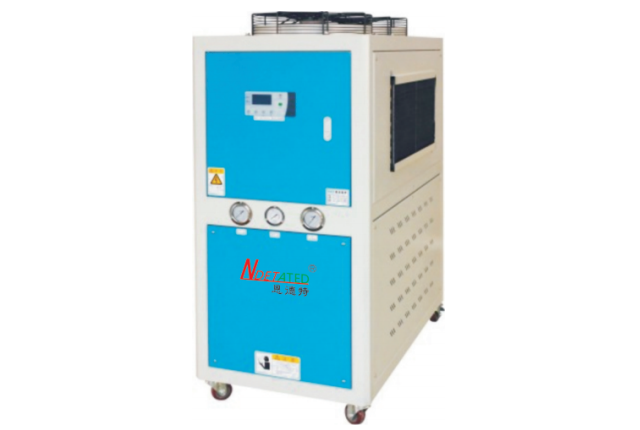
Maximizing Efficiency: The Role of Air Cooled Chillers in Injection Molding
Table of Contents
1. Introduction to Air Cooled Chillers in Injection Molding
2. The Importance of Temperature Control in Injection Molding
3. What Are Air Cooled Chillers?
4. Benefits of Using Air Cooled Chillers in Injection Molding
4.1 Energy Efficiency
4.2 Cost Savings
4.3 Enhanced Product Quality
4.4 Reduced Maintenance Requirements
5. How Air Cooled Chillers Work
6. Selecting the Right Air Cooled Chiller for Your Needs
6.1 Size and Capacity Considerations
6.2 Energy Efficiency Ratings
6.3 Additional Features to Look For
7. Best Practices for Implementing Air Cooled Chillers in Injection Molding
8. Frequently Asked Questions (FAQs)
9. Conclusion
1. Introduction to Air Cooled Chillers in Injection Molding
The injection molding process is at the heart of modern manufacturing, producing everything from automotive parts to consumer electronics. To maintain the integrity of this process, precise temperature control is essential. Here, **air cooled chillers** emerge as a crucial component in ensuring optimal cooling, thereby enhancing the efficiency of injection molding operations. By regulating the temperature of molds and ensuring consistent cooling, these chillers play a pivotal role in improving production quality and reducing energy consumption.
2. The Importance of Temperature Control in Injection Molding
Temperature control in injection molding is not merely a technical requirement; it is crucial for achieving desired production outcomes. When the temperature of the molds is accurately regulated, the following benefits can be observed:
- **Uniform Cooling:** Ensures that the material sets evenly, reducing the risk of defects.
- **Cycle Time Reduction:** Accelerates the production process, as faster cooling leads to quicker mold release.
- **Material Integrity:** Avoids warping and other deformities, preserving the quality of the final product.
Effective temperature management can significantly impact production efficiency, making air cooled chillers an indispensable part of the injection molding landscape.
3. What Are Air Cooled Chillers?
Air cooled chillers are refrigeration systems designed to remove heat from a liquid via a vapor-compression or absorption refrigeration cycle. Unlike water cooled chillers, which rely on cooling towers or water sources, air cooled chillers dissipate heat directly into the atmosphere. This mode of operation offers various advantages, including lower installation costs and reduced maintenance requirements, making them particularly suitable for injection molding applications.
4. Benefits of Using Air Cooled Chillers in Injection Molding
Incorporating air cooled chillers into injection molding processes offers numerous advantages that can enhance overall productivity and efficiency.
4.1 Energy Efficiency
Air cooled chillers are designed to optimize energy use, which can lead to significant cost savings in large-scale production environments. By utilizing advanced technology, these chillers can operate at lower energy costs without compromising performance.
4.2 Cost Savings
The initial investment in air cooled chillers is often lower than their water cooled counterparts, especially when considering the absence of a need for cooling towers, water piping, or additional plumbing. Over time, the reduced energy consumption also translates into substantial cost savings.
4.3 Enhanced Product Quality
With the precision that air cooled chillers provide in maintaining mold temperatures, manufacturers can achieve a higher quality of molded parts. Even cooling prevents warping and dimensional inaccuracies, ensuring that products meet stringent quality standards.
4.4 Reduced Maintenance Requirements
The simplicity of air cooled chillers translates to lower maintenance needs compared to more complex systems. Fewer moving parts and the lack of water usage mean that maintenance is often less frequent and less costly.
5. How Air Cooled Chillers Work
The operation of air cooled chillers involves several key components:
- **Compressor:** Compresses refrigerant gas and circulates it through the system.
- **Condenser:** Absorbs heat from the refrigerant and dissipates it into the air.
- **Expansion Valve:** Controls the amount of refrigerant entering the evaporator.
- **Evaporator:** Absorbs heat from the liquid being cooled (in this case, water used in injection molding).
This cycle effectively reduces the temperature of the fluid, which then circulates through the molds, maintaining the desired temperature throughout the injection molding process.
6. Selecting the Right Air Cooled Chiller for Your Needs
Choosing the appropriate air cooled chiller requires careful consideration of several factors to ensure optimal performance in your injection molding operations.
6.1 Size and Capacity Considerations
Determining the right size and capacity for your chiller is crucial. An undersized chiller may struggle to maintain cooling efficiency, while an oversized unit can lead to increased energy costs and inefficiencies. Assessing your production volume and cooling requirements will guide your selection.
6.2 Energy Efficiency Ratings
Look for chillers with high energy efficiency ratings. Units that are rated by organizations such as AHRI (Air-Conditioning, Heating, and Refrigeration Institute) or have high SEER (Seasonal Energy Efficiency Ratio) ratings tend to deliver better performance and lower operational costs.
6.3 Additional Features to Look For
Advanced features such as variable speed drives, smart controls, and remote monitoring capabilities can greatly enhance the efficiency of air cooled chillers. These features allow for better operational control and adaptability to changing production demands.
7. Best Practices for Implementing Air Cooled Chillers in Injection Molding
To maximize the benefits of air cooled chillers in injection molding, consider the following best practices:
- **Regular Maintenance:** Schedule routine maintenance checks to ensure all components are functioning optimally. This can prevent costly breakdowns and extend the lifespan of the chiller.
- **Optimize Chiller Location:** Position chillers in a well-ventilated area to facilitate efficient heat dissipation. Avoid placing them in confined spaces where airflow is restricted.
- **Monitor Performance:** Utilize monitoring systems to track chiller performance and identify any anomalies early. This proactive approach can help in addressing issues before they escalate.
- **Train Staff:** Ensure that your team is well-trained in operating and understanding the chiller systems. Knowledge of best practices can significantly influence efficiency.
8. Frequently Asked Questions (FAQs)
What is the difference between air cooled and water cooled chillers?
Air cooled chillers reject heat directly into the atmosphere, while water cooled chillers use water to dissipate heat. Air cooled chillers typically have lower installation costs and maintenance needs.
How do I know if my chiller is functioning efficiently?
Monitor temperature consistency, energy consumption, and the frequency of maintenance needs. Variations in these factors can indicate inefficiencies.
Can air cooled chillers be used for other applications besides injection molding?
Yes, air cooled chillers are versatile and can be used in various applications, including HVAC systems, food processing, and chemical production.
How often should I service my air cooled chiller?
Regular maintenance is recommended at least once a year, but high-demand systems may require more frequent checks to ensure optimal performance.
What should I do if my chiller is not cooling effectively?
Check for common issues such as refrigerant leaks, blocked air filters, or improper airflow. If problems persist, consult a professional technician for diagnostics.
9. Conclusion
Air cooled chillers play a pivotal role in maximizing efficiency in injection molding processes. Their ability to maintain precise temperature control not only enhances product quality but also leads to significant cost savings and reduced maintenance requirements. By understanding the benefits, selecting the right chillers, and adhering to best practices, manufacturers can optimize their injection molding operations and remain competitive in the ever-evolving market. Investing in air cooled chillers ultimately contributes to a more efficient, productive, and sustainable manufacturing environment.
Hot Tags:
Contact Us
E-mail:
celine@jsntp.com
Phone:
86-18913523538
Address:
Building 3, Wanyang Zhongchuang City, No. 99 Hongfu Road, Libao Town, Hai'an City, Nantong City, Jiangsu Province
Contact Information
Phone: 8618550003508
Add: Building 3, Wanyang Zhongchuang City, No. 99 Hongfu Road, Libao Town, Hai'an City, Nantong City, Jiangsu Province

Request Quote