
Top Features of Effective Water Circulation Mold Temperature Controllers: A Comprehensive Guide
May 20,2026
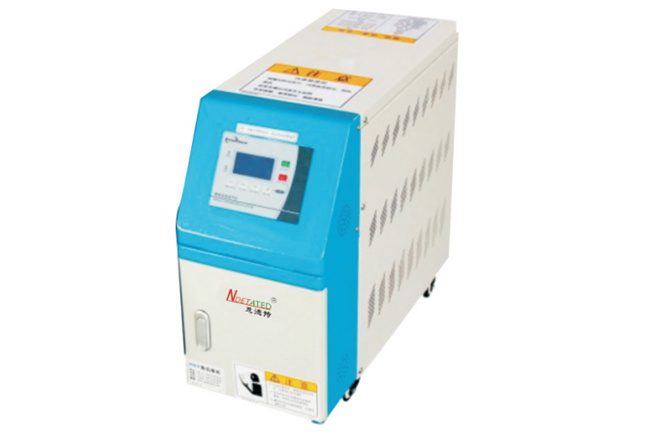
Top Features of Effective Water Circulation Mold Temperature Controllers
Water circulation mold temperature controllers are critical in various industrial applications, particularly in the molding and casting processes. These devices help maintain optimal temperature levels, ensuring product quality and operational efficiency. In this article, we will explore the top features of effective water circulation mold temperature controllers, their benefits, and how they contribute to overall process optimization.
Understanding Water Circulation Mold Temperature Controllers
Water circulation mold temperature controllers (WCMTC) regulate temperature within molds by circulating heated or cooled water. This precise control is essential for materials such as plastics, metals, and composites, where temperature fluctuations can lead to defects or inconsistencies. By maintaining a stable thermal environment, these controllers enhance product quality and production efficiency.
Key Features of Effective Water Circulation Mold Temperature Controllers
1. Precision Temperature Control
One of the most crucial features of an effective water circulation mold temperature controller is its ability to maintain precise temperature control. High-quality controllers utilize advanced sensors and PID (Proportional-Integral-Derivative) algorithms to ensure accurate temperature readings and adjustments. This precision minimizes the risk of overheating or underheating, which can adversely affect the molding process.
2. Rapid Response Time
In industrial applications, response time can significantly impact production efficiency. Effective WCMTCs are designed to quickly adapt to changes in temperature demands. A rapid response ensures that the mold maintains the desired temperature, reducing cycle times and improving overall productivity. Look for controllers that boast short lag times and swift adjustment capabilities.
3. Energy Efficiency
With rising energy costs and increasing environmental concerns, energy efficiency is a top priority for many industries. Effective water circulation mold temperature controllers incorporate energy-saving features, such as variable speed pumps and smart control systems. These innovations help minimize energy consumption while maintaining optimal performance, ultimately leading to lower operational costs.
3.1 Smart Energy Management
Smart energy management systems can analyze operational patterns and adjust energy usage accordingly. This feature allows for efficient resource allocation, ensuring that energy is used only when necessary.
4. Durable Construction and Materials
Industrial environments can be harsh, necessitating robust equipment. Effective WCMTCs are constructed from high-quality, durable materials that can withstand extreme temperatures, pressure, and corrosion. Stainless steel housings, for example, offer excellent resistance to chemical exposure and physical wear, ensuring a longer lifespan for the controller.
5. User-Friendly Interface
A user-friendly interface is essential for efficient operation. Modern water circulation mold temperature controllers come equipped with intuitive displays, touchscreens, and easy navigation menus. These features simplify the process of setting and adjusting temperature parameters, enabling operators to quickly adapt to changing production needs.
6. Advanced Safety Features
Safety is paramount in industrial operations. Effective WCMTCs are designed with multiple safety features, including over-temperature protection, low-water cut-off, and pressure relief valves. These mechanisms prevent accidents and equipment damage, ensuring safe operation throughout the production process.
6.1 Alarms and Alerts
Integrated alarm systems provide real-time notifications of potential issues, allowing operators to take corrective action before problems escalate. This proactive approach enhances both safety and equipment longevity.
7. Customization Options
Different industries and processes have unique requirements, making customization an essential feature of effective water circulation mold temperature controllers. Many manufacturers offer customizable options, allowing users to select specific temperature ranges, pump capacities, and control features tailored to their specific needs.
8. Integration Capabilities
As industries increasingly adopt automation and smart manufacturing practices, the ability to integrate WCMTCs with other systems becomes vital. Effective controllers support integration with manufacturing execution systems (MES), supervisory control and data acquisition (SCADA) systems, and other automation tools. This connectivity enhances operational efficiency and data analysis capabilities.
Benefits of Using Effective Water Circulation Mold Temperature Controllers
Implementing high-quality water circulation mold temperature controllers can provide numerous benefits to manufacturing processes:
1. Improved Product Quality
By maintaining consistent temperature levels, effective WCMTCs reduce the risk of defects such as warping, shrinkage, and surface imperfections. This improved quality leads to higher customer satisfaction and reduced scrap rates.
2. Enhanced Operational Efficiency
Optimized temperature control translates to shorter cycle times and increased throughput. Manufacturers can achieve higher production rates without sacrificing quality, ultimately leading to improved profitability.
3. Reduced Maintenance Costs
Durable construction and advanced features prolong the lifespan of temperature controllers. This longevity translates to lower maintenance costs and reduced downtime, allowing for more seamless operations.
4. Energy Savings
Energy-efficient controllers contribute to lower utility bills. By minimizing energy consumption, manufacturers not only save money but also reduce their carbon footprint, aligning with sustainability goals.
Choosing the Right Water Circulation Mold Temperature Controller
When selecting a water circulation mold temperature controller, several factors should be considered to ensure optimal performance and compatibility with your processes.
1. Application Requirements
Assess the specific requirements of your application, including the desired temperature range, mold materials, and production rates. Understanding these parameters will guide you in selecting the right controller with the appropriate features and capabilities.
2. Manufacturer Reputation
Research manufacturers to find reputable brands known for producing reliable and high-quality water circulation mold temperature controllers. Reading customer reviews, case studies, and industry reports can provide valuable insights into their performance and support.
3. Support and Service
Consider the level of support and service the manufacturer offers post-purchase. Adequate training, technical support, and timely maintenance services can greatly enhance your experience and ensure smooth operations.
4. Budget Considerations
While cost is always a factor, remember that investing in a high-quality, effective water circulation mold temperature controller can lead to significant savings in the long run. Balance your budget with the need for reliable performance and features.
Frequently Asked Questions (FAQs)
1. What is a water circulation mold temperature controller?
A water circulation mold temperature controller is a device used to regulate the temperature of molds during industrial processes, ensuring optimal conditions for material processing.
2. How does a water circulation mold temperature controller work?
The controller circulates water through a mold, using heating or cooling elements to maintain the desired temperature, which is monitored and adjusted via sensors and control algorithms.
3. What are the advantages of using a WCMTC in manufacturing?
The primary advantages include improved product quality, enhanced operational efficiency, reduced maintenance costs, and energy savings.
4. Can I customize my water circulation mold temperature controller?
Yes, many manufacturers offer customization options to meet specific application requirements, allowing for tailored temperature ranges, pump capacities, and control features.
5. Why is energy efficiency important in temperature controllers?
Energy efficiency helps reduce operational costs and minimizes environmental impact, aligning with sustainability initiatives while maintaining optimal performance.
Conclusion
Effective water circulation mold temperature controllers play a pivotal role in optimizing industrial processes. By focusing on precision temperature control, energy efficiency, robustness, and user-friendly features, these devices enhance product quality and operational efficiency. When selecting a WCMTC, consider your application requirements, manufacturer reputation, and support services to ensure you invest in a controller that meets your unique needs. Embracing technology in temperature control not only enhances production capabilities but also contributes to sustainable manufacturing practices.
Hot Tags:
PREVIOUS:
Contact Us
E-mail:
celine@jsntp.com
Phone:
86-18913523538
Address:
Building 3, Wanyang Zhongchuang City, No. 99 Hongfu Road, Libao Town, Hai'an City, Nantong City, Jiangsu Province
Contact Information
Phone: 8618550003508
Add: Building 3, Wanyang Zhongchuang City, No. 99 Hongfu Road, Libao Town, Hai'an City, Nantong City, Jiangsu Province

Request Quote