
Understanding Oil Heating Mold Temperature Units: A Comprehensive Guide for Industrial Applications
May 15,2026
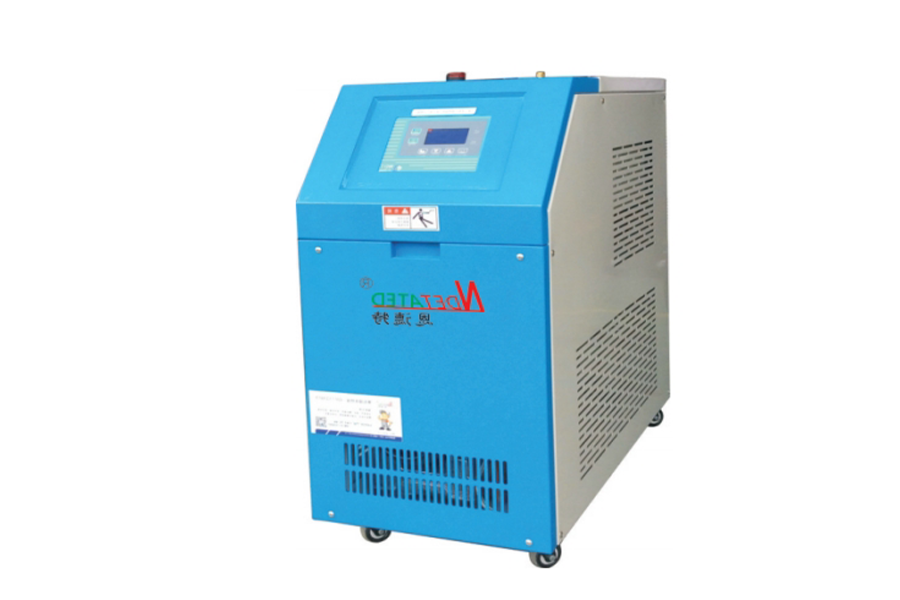
Oil heating mold temperature units play a crucial role in various industrial processes, particularly in the realm of molding and forming applications. These units are designed to maintain precise temperature control of molds, ensuring optimal processing conditions for materials such as plastics, metals, and composites. Proper temperature regulation is vital for achieving desired product quality and reducing cycle times in manufacturing.
One of the primary advantages of using oil heating mold temperature units is their ability to deliver consistent and uniform heating. The oil used in these systems has excellent thermal conductivity, allowing for rapid heat transfer to the mold surfaces. This efficiency helps to minimize temperature fluctuations that can lead to defects in the final product. Moreover, the high thermal capacity of oil allows these units to maintain stable temperatures even during prolonged operation.
In addition to temperature stability, oil heating mold temperature units offer flexibility in terms of temperature range. They can operate effectively across a wide spectrum of temperatures, making them suitable for various applications, from low-temperature processes to high-heat scenarios. This versatility is essential for industries that require different heating conditions for different materials or products.
Another notable feature of these units is their ease of integration into existing production lines. Many oil heating mold temperature units are designed to be compact and user-friendly. They can be easily connected to existing mold systems without requiring extensive modifications. This ease of installation ensures minimal disruption to production workflows, allowing manufacturers to maintain efficiency while upgrading their thermal management capabilities.
When considering oil heating mold temperature units, it's also important to pay attention to maintenance and operational protocols. Regular maintenance is essential to ensure the reliability and longevity of these systems. This includes checking oil levels, monitoring for leaks, and ensuring that the heating elements are functioning optimally. By adhering to a proper maintenance schedule, manufacturers can prevent unexpected downtimes and maximize the productivity of their operations.
In conclusion, oil heating mold temperature units are indispensable tools in the industrial sector, particularly for processes that demand precise thermal control. Their ability to provide consistent heating, wide temperature ranges, and ease of integration makes them a preferred choice for professionals looking to enhance productivity and product quality. Understanding these units’ functions and benefits can lead to better decision-making when it comes to selecting the right thermal management solutions for your operations. By investing in quality oil heating systems, businesses can significantly improve their manufacturing processes and achieve superior results.
One of the primary advantages of using oil heating mold temperature units is their ability to deliver consistent and uniform heating. The oil used in these systems has excellent thermal conductivity, allowing for rapid heat transfer to the mold surfaces. This efficiency helps to minimize temperature fluctuations that can lead to defects in the final product. Moreover, the high thermal capacity of oil allows these units to maintain stable temperatures even during prolonged operation.
In addition to temperature stability, oil heating mold temperature units offer flexibility in terms of temperature range. They can operate effectively across a wide spectrum of temperatures, making them suitable for various applications, from low-temperature processes to high-heat scenarios. This versatility is essential for industries that require different heating conditions for different materials or products.
Another notable feature of these units is their ease of integration into existing production lines. Many oil heating mold temperature units are designed to be compact and user-friendly. They can be easily connected to existing mold systems without requiring extensive modifications. This ease of installation ensures minimal disruption to production workflows, allowing manufacturers to maintain efficiency while upgrading their thermal management capabilities.
When considering oil heating mold temperature units, it's also important to pay attention to maintenance and operational protocols. Regular maintenance is essential to ensure the reliability and longevity of these systems. This includes checking oil levels, monitoring for leaks, and ensuring that the heating elements are functioning optimally. By adhering to a proper maintenance schedule, manufacturers can prevent unexpected downtimes and maximize the productivity of their operations.
In conclusion, oil heating mold temperature units are indispensable tools in the industrial sector, particularly for processes that demand precise thermal control. Their ability to provide consistent heating, wide temperature ranges, and ease of integration makes them a preferred choice for professionals looking to enhance productivity and product quality. Understanding these units’ functions and benefits can lead to better decision-making when it comes to selecting the right thermal management solutions for your operations. By investing in quality oil heating systems, businesses can significantly improve their manufacturing processes and achieve superior results.
Hot Tags:
PREVIOUS:
Contact Us
E-mail:
celine@jsntp.com
Phone:
86-18913523538
Address:
Building 3, Wanyang Zhongchuang City, No. 99 Hongfu Road, Libao Town, Hai'an City, Nantong City, Jiangsu Province
Contact Information
Phone: 8618550003508
Add: Building 3, Wanyang Zhongchuang City, No. 99 Hongfu Road, Libao Town, Hai'an City, Nantong City, Jiangsu Province

Request Quote