
Explore the Cutting-Edge Technology Behind Energy Efficient Air Cooled Chillers
Jul 05,2026
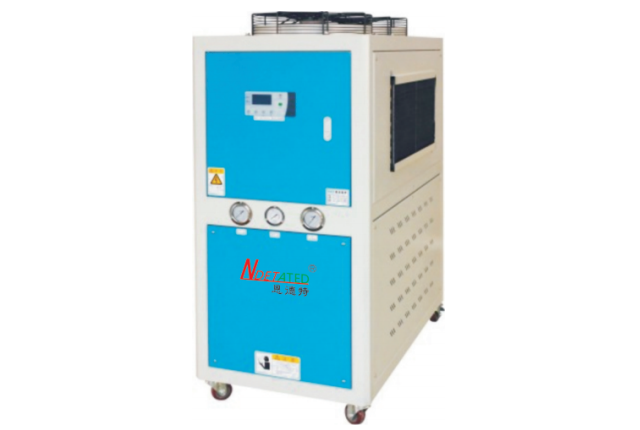
Explore the Cutting-Edge Technology Behind Energy Efficient Air Cooled Chillers
As industries globally seek enhanced efficiency and reduced environmental impact, **energy-efficient air-cooled chillers** have emerged as vital components in various applications, from manufacturing plants to commercial buildings. These systems play an essential role in maintaining optimal temperatures for equipment and processes while minimizing energy consumption. This article explores the groundbreaking technologies driving the development of these chillers, their advantages, and their applications in the modern industrial landscape.
Table of Contents
- 1. Introduction to Air Cooled Chillers
- 2. Understanding Energy Efficiency in Chillers
- 3. Key Technological Advancements in Air Cooled Chillers
- 3.1 Variable Speed Drives (VSD)
- 3.2 Smart Controls and IoT Integration
- 3.3 Advanced Refrigerants and Eco-friendly Alternatives
- 4. Operational Principles of Air Cooled Chillers
- 5. Applications of Energy Efficient Air Cooled Chillers
- 6. Benefits of Using Energy Efficient Air Cooled Chillers
- 7. Maintenance Tips for Optimal Performance
- 8. Conclusion
1. Introduction to Air Cooled Chillers
Air-cooled chillers are critical in cooling processes without requiring a cooling tower. They utilize ambient air to extract heat from the refrigerant, making them an increasingly popular choice for various sectors. These chillers are particularly beneficial in regions where water scarcity can hinder the operation of water-cooled systems. With advancements in technology, air-cooled chillers are now more energy-efficient than ever, aligning with global sustainability goals and reducing operational costs significantly.
2. Understanding Energy Efficiency in Chillers
Energy efficiency in chillers refers to the ability of a system to provide effective cooling while consuming minimal power. This efficiency is typically measured using the **Coefficient of Performance (COP)** or Energy Efficiency Ratio (EER). The higher the COP or EER, the more efficient the chiller is. Energy-efficient chillers not only reduce electricity costs but also lower greenhouse gas emissions, making them a crucial part of a facility’s energy management strategy.
3. Key Technological Advancements in Air Cooled Chillers
The evolution of air-cooled chillers is marked by several innovative technological advancements aimed at maximizing efficiency and performance. Here are some of the leading technologies currently shaping the market:
3.1 Variable Speed Drives (VSD)
Variable Speed Drives (VSD) are a game-changer in the operation of air-cooled chillers. By allowing the compressor to adjust its speed based on the cooling demand, VSD technology not only enhances energy efficiency but also extends the lifespan of the equipment. In periods of low demand, the compressor can operate at reduced power, significantly lowering energy consumption and costs.
3.2 Smart Controls and IoT Integration
The integration of smart controls and the Internet of Things (IoT) has revolutionized how air-cooled chillers operate. These advanced control systems allow for remote monitoring and management, enabling real-time adjustments based on environmental conditions and system performance. This not only optimizes efficiency but also facilitates predictive maintenance, reducing the likelihood of breakdowns and enhancing operational reliability.
3.3 Advanced Refrigerants and Eco-friendly Alternatives
The shift towards environmentally friendly refrigerants is another critical advancement in air-cooled chiller technology. New refrigerants with lower global warming potential (GWP) are being adopted to replace traditional options that contribute to ozone depletion and global warming. These advanced refrigerants not only comply with stringent environmental regulations but also improve the overall efficiency of chillers.
4. Operational Principles of Air Cooled Chillers
Understanding the operational principles of air-cooled chillers is essential to appreciate their efficiency and effectiveness. These chillers operate on the vapor-compression refrigeration cycle, which includes four main components: the evaporator, compressor, condenser, and expansion valve.
1. **Evaporator**: The refrigerant absorbs heat from the fluid being cooled, causing the refrigerant to evaporate and change into a gas.
2. **Compressor**: The gaseous refrigerant is then compressed, raising its pressure and temperature.
3. **Condenser**: In the condenser, the refrigerant releases the absorbed heat to the ambient air, condensing back into a liquid.
4. **Expansion Valve**: The high-pressure liquid refrigerant then passes through the expansion valve, reducing its pressure before re-entering the evaporator.
This continuous cycle allows for efficient heat exchange and cooling.
5. Applications of Energy Efficient Air Cooled Chillers
Energy-efficient air-cooled chillers are utilized across various industries, demonstrating their versatility and reliability. Some common applications include:
- **Commercial Buildings**: These chillers provide climate control in office buildings, shopping malls, and warehouses.
- **Manufacturing**: In industrial settings, chillers are crucial for process cooling and equipment protection.
- **Data Centers**: With the need for precise temperature control, data centers rely heavily on air-cooled chillers to maintain optimal operating conditions for servers.
- **Healthcare Facilities**: Hospitals and clinics utilize chillers to ensure safe and comfortable environments for patients and staff.
6. Benefits of Using Energy Efficient Air Cooled Chillers
Investing in energy-efficient air-cooled chillers offers a multitude of benefits:
- **Cost Savings**: Lower energy consumption translates to reduced operational costs, providing significant savings over time.
- **Environmental Impact**: Enhanced efficiency leads to reduced carbon footprints, aligning with corporate sustainability objectives.
- **Reliability and Longevity**: Advanced technologies contribute to improved reliability and longer equipment lifespan.
- **Flexibility**: Air-cooled chillers can be easily installed in various settings, offering flexibility in design and application.
7. Maintenance Tips for Optimal Performance
To ensure the longevity and efficiency of air-cooled chillers, regular maintenance is crucial. Here are key maintenance tips:
1. **Regular Inspections**: Conduct routine inspections to check for leaks, corrosion, and other potential issues.
2. **Cleaning**: Keep the condenser coils clean to ensure optimal heat exchange and efficiency.
3. **Filter Replacement**: Regularly replace or clean filters to maintain airflow and efficiency.
4. **Performance Monitoring**: Use smart controls to monitor performance and identify any deviations from optimal operation.
5. **Professional Servicing**: Schedule periodic professional maintenance to address any technical issues and ensure compliance with safety standards.
8. Conclusion
The advancement of technology in energy-efficient air-cooled chillers represents a significant leap towards sustainable industrial practices. By incorporating cutting-edge features such as variable speed drives, smart controls, and eco-friendly refrigerants, these systems not only optimize performance but also contribute to energy conservation and environmental protection. As businesses continue to prioritize efficiency and sustainability, investing in air-cooled chillers will remain a smart choice for the future.
FAQs
1. What is an air-cooled chiller?
An air-cooled chiller is a cooling device that uses air to dissipate heat from the refrigerant, making it a popular choice for various industrial and commercial applications.
2. How does an air-cooled chiller work?
Air-cooled chillers operate through a vapor-compression refrigeration cycle that involves four main components: evaporator, compressor, condenser, and expansion valve, facilitating efficient heat exchange.
3. What are the benefits of energy-efficient air-cooled chillers?
They provide cost savings through reduced energy consumption, lower environmental impact, increased reliability, and flexibility in installation and application.
4. How can I maintain my air-cooled chiller for optimal performance?
Regular inspections, cleaning condenser coils, replacing filters, monitoring performance, and scheduling professional servicing are key maintenance practices.
5. What technological advancements are making air-cooled chillers more efficient?
Variable speed drives, smart controls, and the use of advanced, eco-friendly refrigerants are some of the key technological advancements enhancing efficiency.
Hot Tags:
Contact Us
E-mail:
celine@jsntp.com
Phone:
86-18913523538
Address:
Building 3, Wanyang Zhongchuang City, No. 99 Hongfu Road, Libao Town, Hai'an City, Nantong City, Jiangsu Province
Contact Information
Phone: 8618550003508
Add: Building 3, Wanyang Zhongchuang City, No. 99 Hongfu Road, Libao Town, Hai'an City, Nantong City, Jiangsu Province

Request Quote