
Understanding Process Cooling Equipment in the Plastic Industry
Jul 08,2026

In the plastic industry, the production process involves a variety of operations that generate heat, which can negatively impact product quality and operational efficiency. This is where process cooling equipment becomes essential. By maintaining optimal temperatures, these systems ensure that plastic materials are processed effectively without compromising their properties.
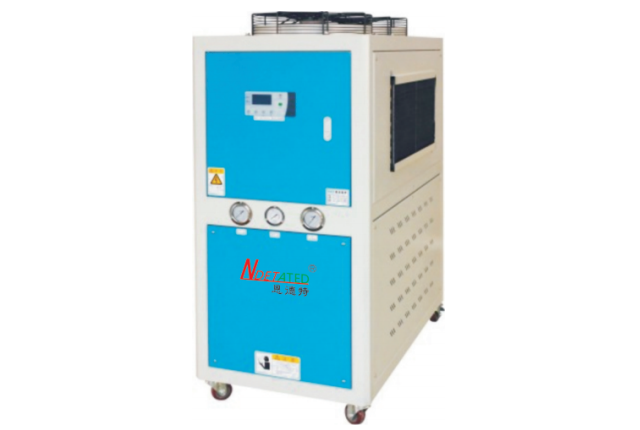
Process cooling equipment encompasses a range of cooling systems, including chillers, cooling towers, and heat exchangers. Each of these components plays a vital role in managing heat during the manufacturing stages, such as extrusion, injection molding, and blow molding. For instance, during the injection molding process, hot plastic is injected into a mold, and effective cooling is crucial to solidify the product quickly and uniformly. This not only speeds up production cycles but also improves the dimensional accuracy of the final product.
Additionally, the efficiency of cooling systems can significantly impact energy consumption. Traditional cooling methods may lead to excessive energy use, which can elevate operational costs. However, advanced process cooling equipment is designed to optimize energy usage while providing consistent cooling. This is particularly important in an energy-conscious world, where reducing the carbon footprint is a priority for many manufacturing plants.
Moreover, proper temperature control can enhance the mechanical properties of plastic products. Certain plastics require specific cooling rates to develop their desired characteristics, such as strength and flexibility. By utilizing effective process cooling equipment, manufacturers can achieve the necessary thermal profiles to produce high-quality plastic components that meet industry standards.
Another aspect to consider is the maintenance of cooling equipment. Regular maintenance ensures that the cooling systems operate at peak efficiency, preventing unexpected breakdowns that could disrupt production timelines. Monitoring and managing the cooling system’s performance can lead to improved reliability and longevity, thus protecting the investment made in these vital systems.
In conclusion, process cooling equipment is a cornerstone of efficiency in the plastic industry. It not only facilitates optimal processing conditions but also contributes to energy savings and product quality. Understanding the various types of cooling systems and their applications can empower manufacturers to make informed decisions that enhance productivity and sustainability in their operations. By prioritizing effective cooling solutions, the plastic industry can continue to innovate and thrive in a competitive marketplace.
Process cooling equipment encompasses a range of cooling systems, including chillers, cooling towers, and heat exchangers. Each of these components plays a vital role in managing heat during the manufacturing stages, such as extrusion, injection molding, and blow molding. For instance, during the injection molding process, hot plastic is injected into a mold, and effective cooling is crucial to solidify the product quickly and uniformly. This not only speeds up production cycles but also improves the dimensional accuracy of the final product.
Additionally, the efficiency of cooling systems can significantly impact energy consumption. Traditional cooling methods may lead to excessive energy use, which can elevate operational costs. However, advanced process cooling equipment is designed to optimize energy usage while providing consistent cooling. This is particularly important in an energy-conscious world, where reducing the carbon footprint is a priority for many manufacturing plants.
Moreover, proper temperature control can enhance the mechanical properties of plastic products. Certain plastics require specific cooling rates to develop their desired characteristics, such as strength and flexibility. By utilizing effective process cooling equipment, manufacturers can achieve the necessary thermal profiles to produce high-quality plastic components that meet industry standards.
Another aspect to consider is the maintenance of cooling equipment. Regular maintenance ensures that the cooling systems operate at peak efficiency, preventing unexpected breakdowns that could disrupt production timelines. Monitoring and managing the cooling system’s performance can lead to improved reliability and longevity, thus protecting the investment made in these vital systems.
In conclusion, process cooling equipment is a cornerstone of efficiency in the plastic industry. It not only facilitates optimal processing conditions but also contributes to energy savings and product quality. Understanding the various types of cooling systems and their applications can empower manufacturers to make informed decisions that enhance productivity and sustainability in their operations. By prioritizing effective cooling solutions, the plastic industry can continue to innovate and thrive in a competitive marketplace.
Hot Tags:
Contact Us
E-mail:
celine@jsntp.com
Phone:
86-18913523538
Address:
Building 3, Wanyang Zhongchuang City, No. 99 Hongfu Road, Libao Town, Hai'an City, Nantong City, Jiangsu Province
Contact Information
Phone: 8618550003508
Add: Building 3, Wanyang Zhongchuang City, No. 99 Hongfu Road, Libao Town, Hai'an City, Nantong City, Jiangsu Province

Request Quote