
Optimizing Process Cooling Equipment in the Plastic Industry
May 05,2026

In the plastic industry, process cooling equipment plays a vital role in managing the thermal aspects of manufacturing processes. Proper temperature control is essential, as it directly influences the quality of the final product, the efficiency of production lines, and the overall energy consumption. There are several types of cooling systems utilized in this sector, each catering to specific needs and applications.
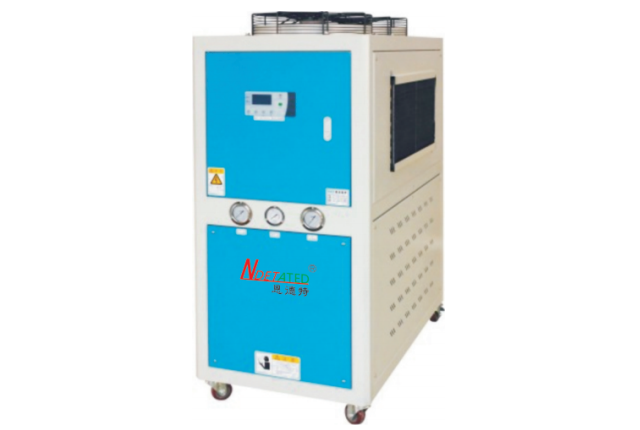
1. **Chillers**: One of the most common types of process cooling equipment, chillers are designed to remove heat generated during plastic processing. They function by circulating a coolant through the system, absorbing excess heat and releasing it externally. Chillers can be air-cooled or water-cooled, with the choice between the two often depending on the specific facility requirements and environmental conditions.
2. **Cooling Towers**: Cooling towers are often used in conjunction with chillers to enhance the cooling process. They work by dissipating heat from the circulating water through evaporation, thus allowing the chilled water to return to the system at a lower temperature. This method not only improves the efficiency of cooling processes but also contributes to energy savings.
3. **Heat Exchangers**: These devices facilitate the transfer of heat between two or more fluids without mixing them, making them an essential component in process cooling equipment. In the plastic industry, heat exchangers are used to maintain the desired operational temperatures of machinery involved in molding, extrusion, and other processes. They can be plate-type, shell-and-tube, or finned-tube designs, each with unique advantages depending on the specific application.
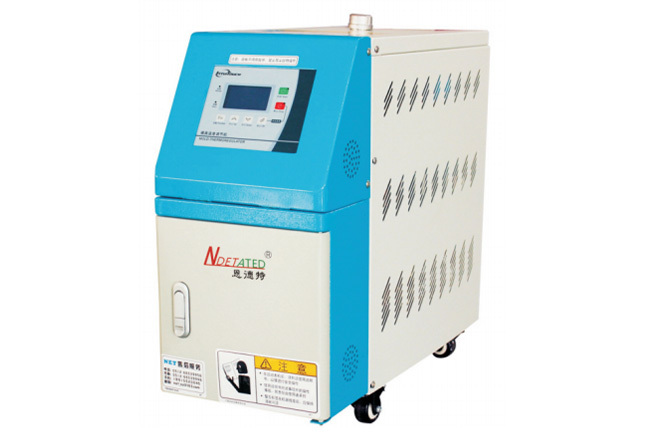
4. **Temperature Control Units (TCUs)**: These are compact systems that provide precise temperature management for various processes. TCUs can be integrated into existing production lines, ensuring that plastics are processed at optimal temperatures. This level of control helps reduce cycle times and enhance the overall quality of the finished product.
5. **Benefits of Efficient Process Cooling**: Implementing the right process cooling equipment not only improves product quality but also enhances process efficiency and reduces energy costs. By maintaining optimal temperatures, manufacturers can achieve better material properties and minimize defects, thus improving the bottom line.
In conclusion, understanding and investing in the appropriate process cooling equipment is essential for anyone in the plastic industry. By selecting the right systems and ensuring they are properly maintained, businesses can optimize their operations, improve product quality, and achieve significant cost savings.
1. **Chillers**: One of the most common types of process cooling equipment, chillers are designed to remove heat generated during plastic processing. They function by circulating a coolant through the system, absorbing excess heat and releasing it externally. Chillers can be air-cooled or water-cooled, with the choice between the two often depending on the specific facility requirements and environmental conditions.
2. **Cooling Towers**: Cooling towers are often used in conjunction with chillers to enhance the cooling process. They work by dissipating heat from the circulating water through evaporation, thus allowing the chilled water to return to the system at a lower temperature. This method not only improves the efficiency of cooling processes but also contributes to energy savings.
3. **Heat Exchangers**: These devices facilitate the transfer of heat between two or more fluids without mixing them, making them an essential component in process cooling equipment. In the plastic industry, heat exchangers are used to maintain the desired operational temperatures of machinery involved in molding, extrusion, and other processes. They can be plate-type, shell-and-tube, or finned-tube designs, each with unique advantages depending on the specific application.
4. **Temperature Control Units (TCUs)**: These are compact systems that provide precise temperature management for various processes. TCUs can be integrated into existing production lines, ensuring that plastics are processed at optimal temperatures. This level of control helps reduce cycle times and enhance the overall quality of the finished product.
5. **Benefits of Efficient Process Cooling**: Implementing the right process cooling equipment not only improves product quality but also enhances process efficiency and reduces energy costs. By maintaining optimal temperatures, manufacturers can achieve better material properties and minimize defects, thus improving the bottom line.
In conclusion, understanding and investing in the appropriate process cooling equipment is essential for anyone in the plastic industry. By selecting the right systems and ensuring they are properly maintained, businesses can optimize their operations, improve product quality, and achieve significant cost savings.
Hot Tags:
Contact Us
E-mail:
celine@jsntp.com
Phone:
86-18913523538
Address:
Building 3, Wanyang Zhongchuang City, No. 99 Hongfu Road, Libao Town, Hai'an City, Nantong City, Jiangsu Province
Contact Information
Phone: 8618550003508
Add: Building 3, Wanyang Zhongchuang City, No. 99 Hongfu Road, Libao Town, Hai'an City, Nantong City, Jiangsu Province

Request Quote