
How Energy Efficient Air Cooled Chillers Reduce Operational Costs
Apr 30,2026
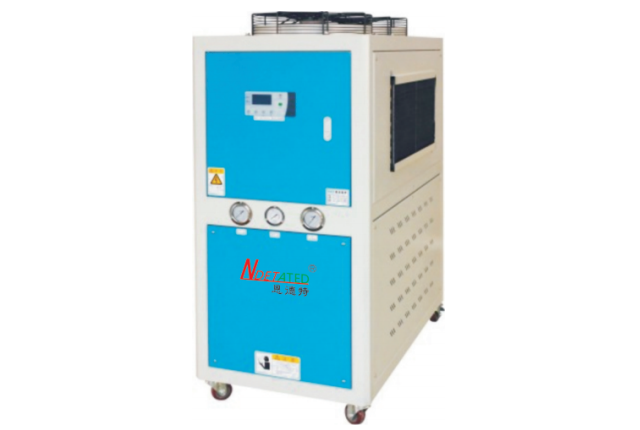
How Energy Efficient Air Cooled Chillers Reduce Operational Costs
Table of Contents
- 1. Introduction to Air Cooled Chillers
- 2. Understanding Energy Efficiency in Cooling Systems
- 3. The Benefits of Energy Efficient Air Cooled Chillers
- 4. Technological Advancements in Chiller Technology
- 5. Real-World Applications of Energy Efficient Chillers
- 6. Maintenance and Longevity of Air Cooled Chillers
- 7. How to Choose the Right Energy Efficient Chiller
- 8. Frequently Asked Questions (FAQs)
- 9. Conclusion
1. Introduction to Air Cooled Chillers
Air cooled chillers are crucial components in various industrial applications, providing efficient cooling for machinery, processes, and building environments. Unlike water-cooled systems, air cooled chillers utilize ambient air to remove heat, making them a popular choice for facilities with limited access to water resources or those aiming for lower operational costs.
In recent years, **energy efficiency** has become a focal point in the development of air cooled chillers, driven by both economic and environmental motivations. As energy costs continue to rise, businesses are increasingly seeking technologies that not only deliver optimal performance but also reduce their overall operational expenses.
2. Understanding Energy Efficiency in Cooling Systems
Energy efficiency in cooling systems refers to the ability of a cooling unit to deliver the desired cooling performance while consuming the least amount of energy possible. This efficiency is typically measured using metrics such as the **Energy Efficiency Ratio (EER)** or the **Coefficient of Performance (COP)**.
Achieving energy efficiency in air cooled chillers involves several factors:
- **Design Innovations:** Advanced designs that improve airflow and heat exchange capabilities.
- **Variable Frequency Drives (VFDs):** Allowing the compressor to adjust its speed based on demand, optimizing energy use.
- **High-Performance Insulation:** Reducing thermal losses in the chiller system.
By understanding these components, facility managers can make informed decisions that align with their operational goals.
3. The Benefits of Energy Efficient Air Cooled Chillers
3.1 Cost Savings: A Detailed Analysis
One of the most compelling reasons to invest in energy efficient air cooled chillers is the significant cost savings they can generate. Here’s how they help reduce operational costs:
- **Lower Energy Bills:** Energy efficient chillers consume less electricity, resulting in reduced monthly energy expenses. Facilities can save **up to 30%** on energy costs compared to standard units.
- **Incentives and Rebates:** Many utility companies and government programs offer financial incentives for businesses that adopt energy-efficient technologies, further offsetting initial investment costs.
- **Reduced Maintenance Costs:** Energy efficient models often feature advanced technology that reduces wear and tear, leading to fewer breakdowns and maintenance requirements.
3.2 Environmental Impact and Sustainability
Investing in energy efficient air cooled chillers contributes positively to the environment. By minimizing energy consumption, these systems play a vital role in reducing greenhouse gas emissions. Facilities that adopt sustainable practices can enhance their corporate social responsibility (CSR) profiles, appealing to environmentally conscious customers and stakeholders.
Moreover, the use of refrigerants with lower global warming potential (GWP) in energy efficient chillers further underscores the commitment to sustainability.
4. Technological Advancements in Chiller Technology
The evolution of chiller technology has brought forth numerous innovations that enhance energy efficiency. Some notable advancements include:
- **Smart Controls and IoT Integration:** Many modern chillers feature smart controls that allow for real-time monitoring and adjustments based on environmental conditions. These systems can integrate with building management systems (BMS) for optimal performance.
- **Advanced Heat Exchanger Designs:** Improvements in heat exchanger technology, such as microchannel designs, increase the surface area for heat transfer, enhancing efficiency.
- **Enhanced Compressor Technologies:** Variable speed compressors adjust to changing cooling loads, maintaining efficiency during varying demand scenarios.
These technological advancements ensure that air cooled chillers remain competitive and effective in addressing the cooling needs of various industries.
5. Real-World Applications of Energy Efficient Chillers
Energy efficient air cooled chillers are versatile and can be utilized across various industries. Here are a few examples:
- **Manufacturing Facilities:** In manufacturing, chillers are essential for maintaining optimal temperatures in production processes, reducing downtime, and increasing productivity.
- **Data Centers:** With the rise of digital storage, data centers require robust cooling solutions. Energy efficient chillers help manage heat loads, ensuring equipment longevity and reliability.
- **Food and Beverage Industry:** Maintaining the correct temperature for storage and processing is critical in food production, where energy efficiency can significantly lower costs.
These examples demonstrate the broad applicability and effectiveness of energy efficient chillers in reducing operational expenses.
6. Maintenance and Longevity of Air Cooled Chillers
To maximize the operational lifespan and efficiency of air cooled chillers, regular maintenance is essential. Key maintenance practices include:
- **Routine Inspections:** Regular checks on components such as compressors, fans, and heat exchangers can identify issues before they escalate.
- **Cleaning:** Keeping the coils clean ensures optimal heat exchange and efficiency. Dust and debris can significantly hinder performance.
- **Monitoring Performance Metrics:** Tracking EER and COP can help identify drops in efficiency, prompting timely maintenance.
By prioritizing maintenance, facilities can extend the life of their chillers while ensuring they operate at peak performance.
7. How to Choose the Right Energy Efficient Chiller
Selecting the right air cooled chiller is critical for optimizing energy efficiency and operational costs. Consider the following factors:
- **Cooling Capacity:** Determine the cooling load requirements for your facility to ensure the chiller meets demand without overworking.
- **Energy Efficiency Ratings:** Look for chillers with high EER and COP ratings to maximize long-term savings.
- **Manufacturer Reputation:** Choose established manufacturers known for reliability and innovation in energy efficiency.
- **Support and Service:** Consider the availability of technical support and service options to ensure quick resolutions to any issues.
By carefully evaluating these factors, businesses can make informed decisions that lead to significant energy and cost savings.
8. Frequently Asked Questions (FAQs)
1. What is the average lifespan of an air cooled chiller?
The average lifespan of an air cooled chiller ranges from **15 to 20 years**, depending on maintenance practices and usage.
2. How can I improve the efficiency of my existing chiller?
Improving efficiency can involve regular maintenance, upgrading components (such as installing VFDs), and ensuring proper airflow around the unit.
3. Are energy efficient chillers more expensive upfront?
Yes, energy efficient chillers tend to have a higher initial cost; however, the long-term savings in energy bills often offset this price difference.
4. Can energy efficient chillers work in extreme weather conditions?
Energy efficient chillers are designed to operate effectively in a range of temperatures, although performance may vary based on the specific model and environmental conditions.
5. What financing options are available for purchasing energy efficient chillers?
Many manufacturers and utility companies offer financing options, including leasing and energy performance contracts, to help businesses invest in energy efficient technologies.
9. Conclusion
Energy efficient air cooled chillers represent a significant opportunity for businesses to reduce their operational costs while promoting sustainability. By understanding the benefits, technological advancements, and maintenance practices associated with these systems, facility managers can make informed decisions that lead to long-term savings and improved environmental impact. Investing in cutting-edge chiller technology not only enhances operational efficiency but also positions businesses favorably in an increasingly eco-conscious market. Embracing energy efficiency is not just a trend; it is a strategic move towards a sustainable and cost-effective future.
Hot Tags:
Contact Us
E-mail:
celine@jsntp.com
Phone:
86-18913523538
Address:
Building 3, Wanyang Zhongchuang City, No. 99 Hongfu Road, Libao Town, Hai'an City, Nantong City, Jiangsu Province
Contact Information
Phone: 8618550003508
Add: Building 3, Wanyang Zhongchuang City, No. 99 Hongfu Road, Libao Town, Hai'an City, Nantong City, Jiangsu Province

Request Quote