
Why Choosing a High Temperature Mold Temperature Controller is Crucial for Your Projects
Sep 22,2025
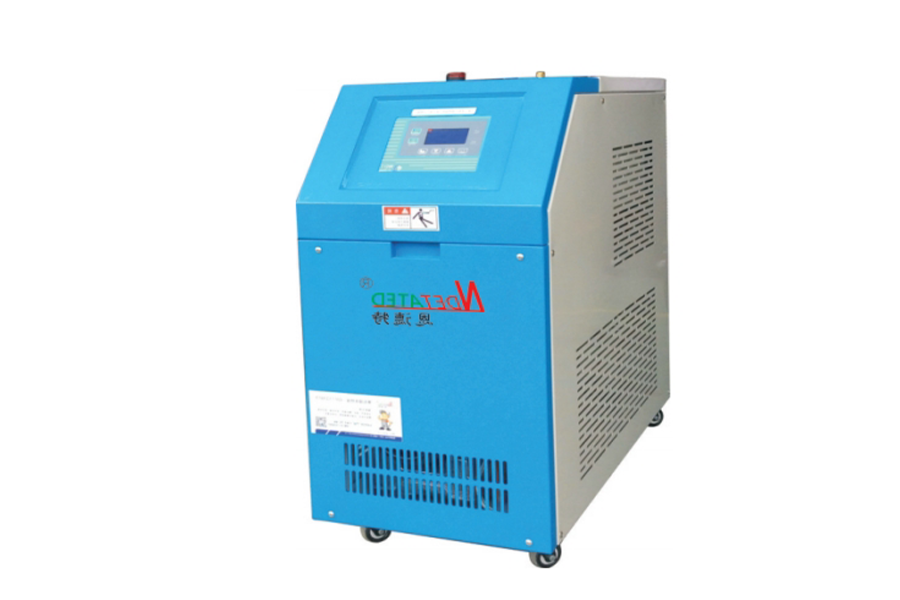
Why Choosing a High Temperature Mold Temperature Controller is Crucial for Your Projects
Understanding Mold Temperature Control: A Key Component in Manufacturing
In the realm of manufacturing, particularly in processes like injection molding, the importance of temperature cannot be overstated. **Mold temperature control** is vital for achieving optimal product quality. The temperature of the mold influences the viscosity of the material, its cooling rate, and ultimately, the finished product's integrity. A **high temperature mold temperature controller** ensures that the molding process runs smoothly, producing consistent and high-quality outputs.
The Role of High Temperature Mold Temperature Controllers
A high temperature mold temperature controller is designed to maintain precise temperature settings within the mold. These devices are engineered to withstand extreme heat, which is essential in industries such as **plastic injection molding**, **die casting**, and **thermoplastic processing**. By maintaining consistent heat, these controllers facilitate uniform cooling and solidification processes, which leads to higher production yields and fewer defects.
Key Features of High Temperature Mold Temperature Controllers
When selecting a high temperature mold temperature controller, several critical features should be considered:
1. Temperature Range
The temperature range is one of the most crucial specifications. High temperature controllers can maintain temperatures above 200 degrees Celsius, necessary for many industrial applications.
2. Precision and Accuracy
High precision and accuracy in temperature readings are vital for maintaining quality standards. This ensures that the materials used in production behave as expected during the molding process.
3. Response Time
Fast response times are essential for adapting to changes in operational conditions. This feature helps in minimizing temperature fluctuations, which can lead to defects in the final product.
4. Control Systems
Many modern controllers utilize advanced control systems such as PID (Proportional-Integral-Derivative) controls. These systems help in achieving and maintaining the desired temperature with minimal overshoot.
5. Safety Features
High temperature operations pose risks, making safety features like over-temperature protection, alarms, and emergency shutdowns critical.
The Importance of Temperature Control in Various Industries
Temperature control is paramount across several industries. Let's delve into how a **high temperature mold temperature controller** impacts different sectors:
1. Plastics Industry
In the plastics industry, maintaining the right mold temperature is crucial for ensuring that materials solidify properly and adhere to specifications. An inconsistent temperature can lead to warping, poor finishes, and structural weaknesses.
2. Metalworking and Die Casting
In die casting, controlling mold temperature helps to improve the flow of molten metal, reduce cycle times, and minimize defects like porosity and cracks. High temperature controllers can significantly enhance production efficiency and product durability.
3. Packaging Industry
High temperature controllers are vital in packaging industries, especially when dealing with heat-sensitive materials. Proper temperature management ensures that packaging retains its integrity and functionality.
Benefits of Using a High Temperature Mold Temperature Controller
The benefits of employing a high temperature mold temperature controller are multifaceted:
1. Improved Product Quality
By ensuring consistent temperature control, manufacturers can achieve superior product quality, reducing the likelihood of defects and rework.
2. Enhanced Production Efficiency
A stable and controlled thermal environment allows for quicker cycle times, leading to increased production rates.
3. Cost Savings
By reducing defects and increasing efficiency, businesses can save significantly on materials and labor costs. Investing in a high temperature controller often pays off in the long run.
4. Increased Equipment Lifespan
Maintaining optimal temperatures reduces stress on molds and machinery, thereby extending their operational lifespan and reducing maintenance costs.
5. Versatility Across Applications
High temperature mold temperature controllers are versatile, making them suitable for various applications beyond plastic and metalworking, including composite materials and rubber processing.
Choosing the Right High Temperature Mold Temperature Controller for Your Needs
Selecting the appropriate high temperature mold temperature controller can be a daunting task. Consider the following factors to make an informed decision:
1. Application Requirements
Assess the specific temperature range and control accuracy required for your particular application. This will guide you in selecting a controller that meets your operational needs.
2. Brand Reputation and Reliability
Research manufacturers known for producing reliable and durable temperature controllers to ensure that you invest in a quality product.
3. Support and Service
Consider the level of customer support offered by the manufacturer. Good after-sales service is essential for maintenance and troubleshooting.
4. Integration with Existing Systems
Ensure that the chosen controller can seamlessly integrate with your existing production systems, such as PLCs (Programmable Logic Controllers) or SCADA (Supervisory Control and Data Acquisition) systems.
5. Budget Considerations
While it's essential to invest in quality equipment, it’s equally important to stay within budget. Look for models that offer the best balance between cost and features.
Maintaining Your High Temperature Mold Temperature Controller
Regular maintenance of your mold temperature controller is vital for ensuring longevity and optimal performance. Here are some maintenance tips:
1. Regular Calibration
Ensure that the temperature readings are regularly calibrated to maintain accuracy.
2. Routine Inspections
Conduct regular inspections of the controller and associated equipment to identify potential issues before they escalate.
3. Cleaning
Keep the controller and surrounding areas clean to prevent dust and debris from affecting performance.
4. Update Software
If your controller includes software, ensure it is updated regularly to benefit from improvements and security features.
FAQs About High Temperature Mold Temperature Controllers
1. What is the maximum temperature a high temperature mold temperature controller can handle?
Most high temperature mold temperature controllers can handle temperatures above 200 degrees Celsius, depending on the model. Always check the specifications for your specific unit.
2. How does temperature control affect the molding process?
Temperature control directly influences the material's viscosity, cooling rate, and overall product quality. Inconsistent temperatures can lead to defects.
3. Can a high temperature mold temperature controller be used for other applications?
Yes, these controllers are versatile and can be used in various applications, including metalworking, rubber processing, and composite materials.
4. How often should I calibrate my temperature controller?
It is advisable to calibrate your temperature controller regularly, typically every six months, or whenever you notice discrepancies in temperature readings.
5. What features should I look for when buying a high temperature mold temperature controller?
Look for features such as temperature range, accuracy, response time, control systems, and safety features to ensure optimal performance.
Conclusion
Choosing a high temperature mold temperature controller is not just a technical decision; it's a critical step that can influence the success of your manufacturing projects. From improving product quality and increasing efficiency to providing long-term cost savings, the benefits are significant. Understanding the features, applications, and maintenance of these controllers will empower you to make informed decisions that enhance your operations. By investing in the right technology, you can ensure that your projects meet the highest standards of quality and efficiency, paving the way for success in your industry.
Hot Tags:
Contact Us
E-mail:
celine@jsntp.com
Phone:
86-18913523538
Address:
Building 3, Wanyang Zhongchuang City, No. 99 Hongfu Road, Libao Town, Hai'an City, Nantong City, Jiangsu Province
Contact Information
Phone: 8618550003508
Add: Building 3, Wanyang Zhongchuang City, No. 99 Hongfu Road, Libao Town, Hai'an City, Nantong City, Jiangsu Province

Request Quote