
Understanding Compact Air-Cooled Chillers for Laboratory Applications
Sep 01,2025

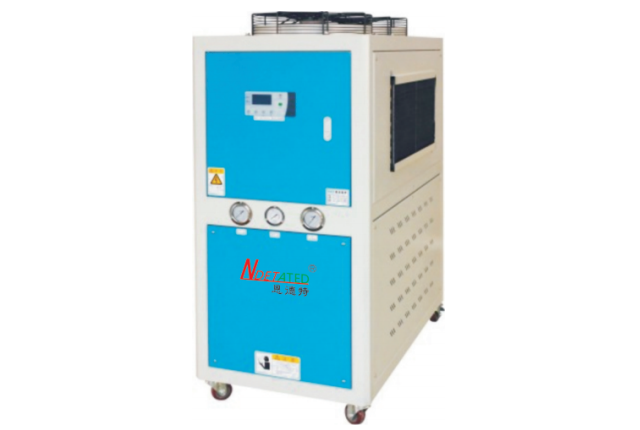
In laboratory environments, maintaining precise temperature control is crucial for the integrity of experiments and the quality of results. Compact air-cooled chillers are an essential component in achieving this goal. These chillers are designed to efficiently remove heat from various processes while occupying minimal space, making them ideal for research facilities, medical laboratories, and industrial applications.
A compact air-cooled chiller operates by circulating a refrigerant through a closed loop, absorbing heat from the liquid it is cooling. The heated refrigerant then passes through a condenser, usually equipped with cooling fans, which expel the heat into the surrounding air. This process allows the chiller to maintain consistent cooling without the need for extensive water supply systems, which can be cumbersome and costly to install.
One of the primary advantages of using a compact air-cooled chiller in laboratory settings is its energy efficiency. These chillers are designed with advanced technology to optimize power consumption while delivering reliable cooling performance. This not only helps in reducing operational costs but also minimizes the environmental impact, making them a sustainable choice for laboratories.
Moreover, compact air-cooled chillers are highly versatile. They can be utilized in various applications, including cooling laser systems, spectrometers, and chromatography equipment. The ability to customize these chillers for specific requirements further enhances their utility in lab settings. For example, some models come with adjustable temperature set points and flow rates, allowing for precise control over the cooling process.
When selecting a compact air-cooled chiller for lab use, several factors should be considered. The cooling capacity is paramount, measured in tons or kilowatts, which should match the thermal load of the equipment being cooled. Additionally, noise levels can be a concern in sensitive laboratory environments, so choosing a model that operates quietly can be beneficial. Maintenance is another critical factor; units that are easy to access and service can save time and reduce downtime.
Furthermore, understanding the ambient conditions of the lab, such as temperature and humidity levels, can impact the chiller's efficiency. Proper installation and placement are also crucial to ensure optimal air circulation around the unit.
In conclusion, compact air-cooled chillers represent a practical and efficient solution for temperature regulation in laboratory environments. Their energy efficiency, versatility, and relatively low maintenance needs make them an attractive option for researchers and lab managers alike. By understanding the key features and considerations when selecting a compact air-cooled chiller, laboratories can significantly enhance their operational efficiency and maintain the integrity of their research processes.
A compact air-cooled chiller operates by circulating a refrigerant through a closed loop, absorbing heat from the liquid it is cooling. The heated refrigerant then passes through a condenser, usually equipped with cooling fans, which expel the heat into the surrounding air. This process allows the chiller to maintain consistent cooling without the need for extensive water supply systems, which can be cumbersome and costly to install.
One of the primary advantages of using a compact air-cooled chiller in laboratory settings is its energy efficiency. These chillers are designed with advanced technology to optimize power consumption while delivering reliable cooling performance. This not only helps in reducing operational costs but also minimizes the environmental impact, making them a sustainable choice for laboratories.
Moreover, compact air-cooled chillers are highly versatile. They can be utilized in various applications, including cooling laser systems, spectrometers, and chromatography equipment. The ability to customize these chillers for specific requirements further enhances their utility in lab settings. For example, some models come with adjustable temperature set points and flow rates, allowing for precise control over the cooling process.
When selecting a compact air-cooled chiller for lab use, several factors should be considered. The cooling capacity is paramount, measured in tons or kilowatts, which should match the thermal load of the equipment being cooled. Additionally, noise levels can be a concern in sensitive laboratory environments, so choosing a model that operates quietly can be beneficial. Maintenance is another critical factor; units that are easy to access and service can save time and reduce downtime.
Furthermore, understanding the ambient conditions of the lab, such as temperature and humidity levels, can impact the chiller's efficiency. Proper installation and placement are also crucial to ensure optimal air circulation around the unit.
In conclusion, compact air-cooled chillers represent a practical and efficient solution for temperature regulation in laboratory environments. Their energy efficiency, versatility, and relatively low maintenance needs make them an attractive option for researchers and lab managers alike. By understanding the key features and considerations when selecting a compact air-cooled chiller, laboratories can significantly enhance their operational efficiency and maintain the integrity of their research processes.
Hot Tags:
Contact Us
E-mail:
celine@jsntp.com
Phone:
86-18913523538
Address:
Building 3, Wanyang Zhongchuang City, No. 99 Hongfu Road, Libao Town, Hai'an City, Nantong City, Jiangsu Province
Contact Information
Phone: 8618550003508
Add: Building 3, Wanyang Zhongchuang City, No. 99 Hongfu Road, Libao Town, Hai'an City, Nantong City, Jiangsu Province

Request Quote