
Unlocking Efficiency: The Benefits of an Integrated Chiller Mold Temperature System
Aug 28,2025

Unlocking Efficiency: The Benefits of an Integrated Chiller Mold Temperature System
Table of Contents
- 1. Introduction to Integrated Chiller Mold Temperature Systems
- 2. What is a Chiller Mold Temperature System?
- 3. Importance of Temperature Control in Manufacturing
- 4. Benefits of Integrated Chiller Mold Temperature Systems
- 5. How Integrated Chiller Mold Temperature Systems Work
- 6. Application Areas of Integrated Chiller Systems
- 7. The Future of Integrated Chiller Systems
- 8. FAQs
- 9. Conclusion
1. Introduction to Integrated Chiller Mold Temperature Systems
In today's fast-paced industrial environment, efficiency and precision are paramount. The introduction of integrated chiller mold temperature systems has revolutionized the way manufacturers control temperature during production processes. These systems are designed to provide optimal temperature management for molds, which is crucial in various applications, including plastic injection molding, die casting, and other manufacturing processes where temperature control is essential. By streamlining temperature regulation, these systems not only enhance operational efficiency but also contribute to significant cost savings and improved product quality.
2. What is a Chiller Mold Temperature System?
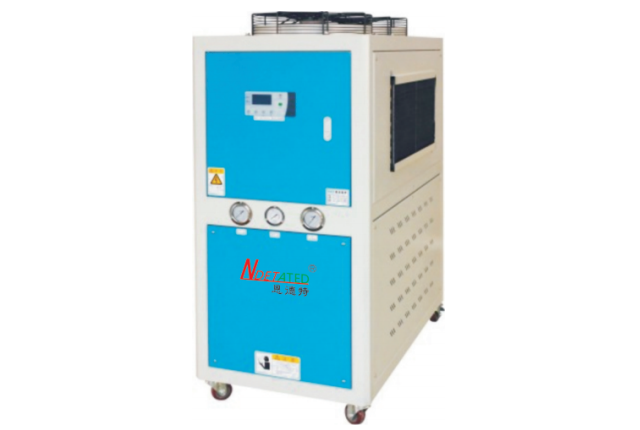
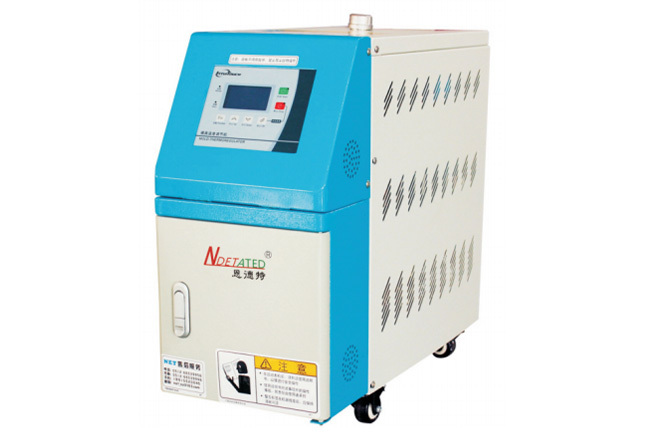
A chiller mold temperature system is an advanced technology used to maintain the temperature of molds throughout the manufacturing process. This system integrates a cooling mechanism with precise temperature monitoring and control features. It typically consists of a chiller unit, heat exchangers, temperature sensors, and controls that work in unison to ensure that molds are kept at the desired temperature.
This system can be used in various industrial processes, such as:
- Plastic injection molding
- Die casting
- Extrusion
- Blow molding
By maintaining a consistent mold temperature, manufacturers can significantly improve the quality of their products while minimizing defects.
3. Importance of Temperature Control in Manufacturing
Temperature control is a critical factor in many manufacturing processes. The temperature of molds influences the physical properties of the final product, including its strength, appearance, and surface finish. Without proper temperature management, manufacturers may experience issues such as:
- Inconsistent product quality
- Increased production cycle times
- Higher energy consumption
- Increased waste and scrap rates
By implementing an integrated chiller mold temperature system, manufacturers can ensure that molds are maintained at optimal temperatures, resulting in a more efficient production process.
4. Benefits of Integrated Chiller Mold Temperature Systems
The adoption of integrated chiller systems offers numerous advantages to manufacturers. Here are some of the key benefits:
4.1 Enhanced Efficiency
Integrated chiller mold temperature systems provide continuous and accurate temperature control, which leads to enhanced operational efficiency. By maintaining optimal temperatures, manufacturers can reduce cycle times and increase production rates. Additionally, these systems minimize the need for manual intervention, allowing operators to focus on other critical tasks.
4.2 Cost Reduction
Investing in an integrated chiller mold temperature system can lead to significant cost savings. By optimizing energy consumption and reducing production waste, manufacturers can lower their operational costs. Furthermore, consistent temperature management helps reduce the risk of defects, leading to fewer returns and rework expenses.
4.3 Improved Product Quality
One of the most significant advantages of an integrated chiller mold temperature system is the improvement in product quality. By ensuring that molds are maintained at the correct temperature, manufacturers can achieve better surface finishes, reduced warping, and fewer defects. This level of quality control is essential in industries where precision is critical.
4.4 Sustainability
In today's environmentally conscious world, sustainability is a vital consideration for manufacturers. Integrated chiller systems can contribute to more sustainable operations by reducing energy consumption and minimizing waste. Utilizing energy-efficient chillers and optimizing production processes allows companies to reduce their carbon footprint while maintaining high-quality standards.
5. How Integrated Chiller Mold Temperature Systems Work
The operation of an integrated chiller mold temperature system involves several key components working together:
1. **Chiller Unit**: The chiller unit is responsible for removing heat from the fluid circulating through the system. It cools the fluid, which is then pumped to the mold.
2. **Heat Exchangers**: Heat exchangers transfer heat from the mold to the cooling fluid, ensuring that the mold temperature remains stable.
3. **Temperature Sensors**: These sensors continuously monitor the temperature of the molds and provide real-time data to the control system.
4. **Control System**: The control system adjusts the flow and temperature of the cooling fluid based on the feedback received from the temperature sensors. This ensures that the molds are kept at the desired temperature throughout the production process.
By integrating these components, manufacturers can achieve precise temperature control, leading to improved efficiency and product quality.
6. Application Areas of Integrated Chiller Systems
Integrated chiller mold temperature systems are utilized across various industries, including:
- **Plastic Manufacturing**: In plastic injection molding, maintaining the correct mold temperature is essential for achieving high-quality products with minimal defects.
- **Metal Casting**: In die casting, controlling mold temperatures helps prevent defects such as porosity and surface imperfections.
- **Food Processing**: In the food industry, temperature control is crucial for ensuring the safety and quality of products.
- **Pharmaceuticals**: Temperature-controlled environments are vital for maintaining the integrity of pharmaceutical products.
Each of these industries benefits from the enhanced efficiency and quality improvements provided by integrated chiller systems.
7. The Future of Integrated Chiller Systems
As technology continues to advance, integrated chiller mold temperature systems are expected to evolve further. Innovations such as IoT integration, advanced data analytics, and machine learning will enable manufacturers to optimize temperature control and improve overall efficiency. These advancements will also contribute to more sustainable practices within the manufacturing sector, helping companies meet their environmental goals while maintaining high-quality standards.
8. FAQs
1. What is the primary function of an integrated chiller mold temperature system?
The primary function is to maintain optimal temperature control for molds during manufacturing processes, improving efficiency and product quality.
2. How do integrated chiller systems contribute to cost savings?
They reduce energy consumption, minimize waste, and help achieve higher product quality, leading to lower operational and rework costs.
3. In which industries are integrated chiller systems commonly used?
They are commonly used in plastic manufacturing, metal casting, food processing, and pharmaceuticals.
4. Can integrated chiller systems improve product quality?
Yes, by maintaining consistent mold temperatures, these systems help reduce defects and enhance the overall quality of products.
5. What advancements can we expect in integrated chiller systems in the future?
Future advancements may include IoT integration, data analytics, and machine learning to optimize temperature control and enhance efficiency.
9. Conclusion
Integrated chiller mold temperature systems represent a significant advancement in manufacturing technology. By providing precise temperature control, these systems enhance efficiency, reduce costs, and improve product quality across a range of industries. As we move toward a more sustainable future, the adoption of these systems will become increasingly important for manufacturers looking to stay competitive. Investing in integrated chiller systems not only leads to immediate operational benefits but also positions companies for long-term success in an evolving marketplace.
Hot Tags:
Contact Us
E-mail:
celine@jsntp.com
Phone:
86-18913523538
Address:
Building 3, Wanyang Zhongchuang City, No. 99 Hongfu Road, Libao Town, Hai'an City, Nantong City, Jiangsu Province
Contact Information
Phone: 8618550003508
Add: Building 3, Wanyang Zhongchuang City, No. 99 Hongfu Road, Libao Town, Hai'an City, Nantong City, Jiangsu Province

Request Quote