
Understanding the Benefits of Water Circulation Mold Temperature Controllers for Enhanced Industrial Efficiency
Feb 19,2026
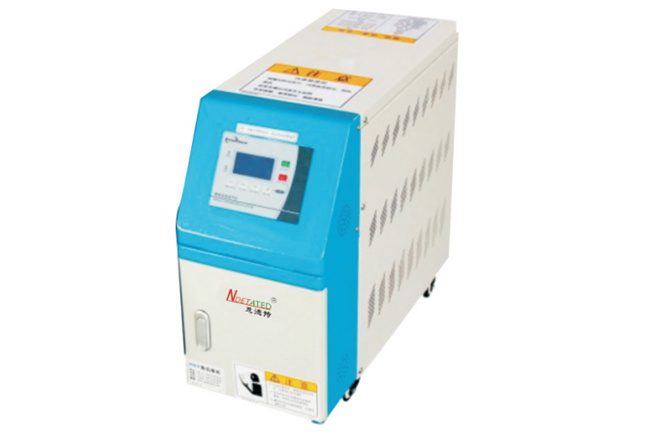
Understanding the Benefits of Water Circulation Mold Temperature Controllers
Table of Contents
- 1. Introduction to Water Circulation Mold Temperature Controllers
- 2. What Are Water Circulation Mold Temperature Controllers?
- 3. Key Benefits of Using Water Circulation Mold Temperature Controllers
- 3.1 Improved Product Quality
- 3.2 Energy Efficiency
- 3.3 Reduced Cycle Times
- 3.4 Increased Equipment Lifespan
- 4. How Do Water Circulation Mold Temperature Controllers Work?
- 5. Applications in Various Industries
- 6. Choosing the Right Water Circulation Mold Temperature Controller
- 7. Maintenance Tips for Optimal Performance
- 8. Frequently Asked Questions
- 9. Conclusion
1. Introduction to Water Circulation Mold Temperature Controllers
In today's competitive industrial landscape, manufacturing processes must prioritize efficiency, quality, and cost-effectiveness. One vital component in achieving these goals is the use of **water circulation mold temperature controllers**. These advanced systems regulate the temperature of molds during the manufacturing process, significantly impacting the final product's quality and production efficiency.
2. What Are Water Circulation Mold Temperature Controllers?
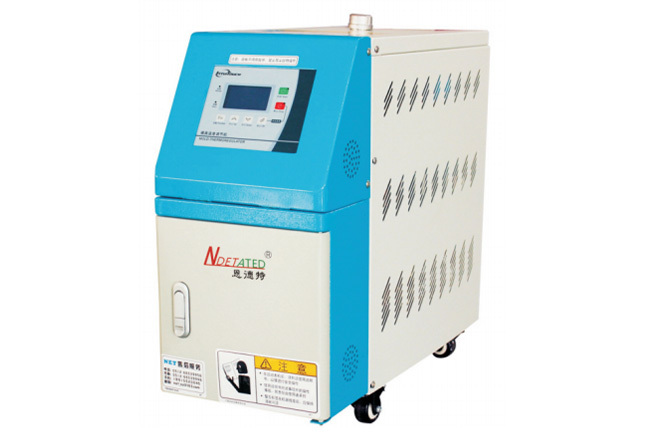
Water circulation mold temperature controllers are sophisticated devices designed to maintain optimal temperature conditions within molds used in various manufacturing processes. By circulating water through channels in the mold, these controllers help achieve precise temperature control, which is crucial for processes like injection molding, blow molding, and casting.
Components of Water Circulation Mold Temperature Controllers
These controllers typically consist of several key components:
- **Heat Exchanger:** Maintains the desired temperature by transferring heat to or from the circulating water.
- **Pump:** Circulates water through the mold and back to the heating or cooling unit.
- **Controller Unit:** Monitors and adjusts the temperature, providing real-time feedback for accurate control.
- **Temperature Sensors:** Ensure that the water temperature is maintained within the specified range.
3. Key Benefits of Using Water Circulation Mold Temperature Controllers
Integrating water circulation mold temperature controllers into manufacturing processes offers numerous advantages that enhance overall productivity and product quality.
3.1 Improved Product Quality
Maintaining consistent mold temperatures is essential for producing high-quality products. Variations in temperature can lead to defects such as warping, uneven surfaces, and poor mechanical properties. By utilizing these temperature controllers, manufacturers can achieve uniform cooling and heating, resulting in superior product quality and reduced scrap rates.
3.2 Energy Efficiency
Water circulation mold temperature controllers are designed to optimize energy consumption. By efficiently regulating temperatures, these systems reduce the energy required to heat or cool the molds, leading to significant cost savings. Additionally, many modern units feature smart technology that allows for further optimization based on specific manufacturing needs.
3.3 Reduced Cycle Times
Efficient temperature control translates into shorter cycle times in manufacturing processes. When molds reach the desired temperature quickly and maintain it consistently, the time taken for molding operations decreases. This efficiency not only enhances throughput but also improves overall production schedules, allowing manufacturers to meet deadlines and fulfill orders more effectively.
3.4 Increased Equipment Lifespan
Consistent temperature management helps in reducing thermal stress on molds and associated equipment. By preventing extreme temperature fluctuations, water circulation mold temperature controllers contribute to prolonged lifespan and reduced maintenance costs for machinery, leading to fewer operational disruptions and better return on investment.
4. How Do Water Circulation Mold Temperature Controllers Work?
The operation of water circulation mold temperature controllers is straightforward yet highly effective. The process involves the following steps:
1. **Water Heating or Cooling**: The controller heats or cools water using a heat exchanger, which can be integrated with heaters or chillers.
2. **Water Circulation**: A pump circulates the temperature-controlled water through the mold. As the water passes through the mold's channels, it absorbs or dissipates heat, depending on the required temperature.
3. **Temperature Monitoring**: Sensors continuously monitor the water temperature and send data to the controller unit.
4. **Adjustments**: If the temperature deviates from the set point, the controller automatically adjusts the heating or cooling mechanisms to restore the desired temperature.
5. Applications in Various Industries
Water circulation mold temperature controllers find applications in a diverse range of industries, including:
- **Plastics Manufacturing**: Essential for processes such as injection molding and extrusion to ensure product quality.
- **Food Processing**: Used in molds for food products that require precise temperature control during cooling.
- **Metal Casting**: Helps regulate temperatures in molds to achieve desired metallurgical properties.
- **Pharmaceuticals**: Ensures consistency in mold temperatures for production equipment used in drug manufacturing.
6. Choosing the Right Water Circulation Mold Temperature Controller
Choosing the appropriate water circulation mold temperature controller involves considering several factors:
- **Temperature Range**: Ensure that the controller can achieve the required temperature range for your specific application.
- **Flow Rate**: Assess the necessary flow rate based on the mold size and design to avoid overheating or cooling issues.
- **Control Precision**: Look for controllers that offer precise temperature control for high-quality outputs.
- **Energy Efficiency Ratings**: Evaluate the energy consumption rate to find options that optimize operational costs.
7. Maintenance Tips for Optimal Performance
To ensure the longevity and effectiveness of your water circulation mold temperature controllers, adhere to these maintenance tips:
- **Regular Inspections**: Conduct routine checks on pumps, sensors, and heat exchangers for signs of wear and tear.
- **Cleaning**: Periodically clean the water reservoir and piping to prevent blockages and ensure efficient water flow.
- **Calibration**: Regularly calibrate temperature sensors to maintain accuracy in temperature readings.
- **Fluid Quality**: Use high-quality water and additives to reduce scaling and corrosion within the system.
8. Frequently Asked Questions
What is the ideal temperature range for mold temperature controllers?
The ideal temperature range varies depending on the materials being molded, but generally falls between 80°F and 180°F (27°C to 82°C).
How often should I perform maintenance on my temperature controller?
Routine maintenance should be conducted at least once every six months, although more frequent checks may be necessary in high-use environments.
Can water circulation mold temperature controllers be used with all types of molds?
Yes, they are versatile and compatible with a variety of molds used in different manufacturing processes.
What are common issues faced with mold temperature controllers?
Common issues include temperature fluctuations, pump failures, and blockages in the water circuit.
Are there any energy-saving features in modern controllers?
Many modern controllers feature programmable settings, smart technology, and energy-efficient components to minimize energy consumption.
9. Conclusion
Water circulation mold temperature controllers play a crucial role in industrial manufacturing, offering significant benefits including improved product quality, enhanced energy efficiency, reduced cycle times, and increased equipment lifespan. By understanding how these systems operate and implementing them effectively, manufacturers can optimize their processes, resulting in higher quality products and greater operational efficiency. As industries evolve, adopting such technologies will be essential to staying competitive in the global market.
Hot Tags:
Contact Us
E-mail:
celine@jsntp.com
Phone:
86-18913523538
Address:
Building 3, Wanyang Zhongchuang City, No. 99 Hongfu Road, Libao Town, Hai'an City, Nantong City, Jiangsu Province
Contact Information
Phone: 8618550003508
Add: Building 3, Wanyang Zhongchuang City, No. 99 Hongfu Road, Libao Town, Hai'an City, Nantong City, Jiangsu Province

Request Quote